
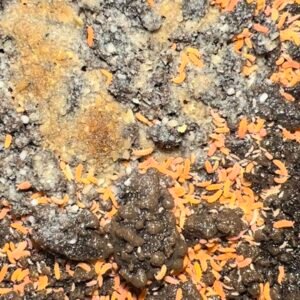
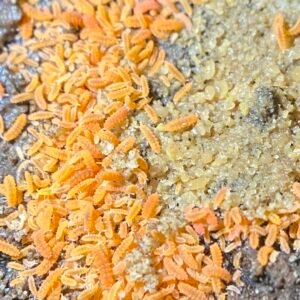
Yuukianura aphoruroides – Tropical Orange Springtail Culture — Asian Bioactive Substrate Kit
Price range: $16.00 through $220.00
Buy Yuukianura aphoruroides — Tropical Orange Springtails, the Asian equivalent of the Florida Orange.
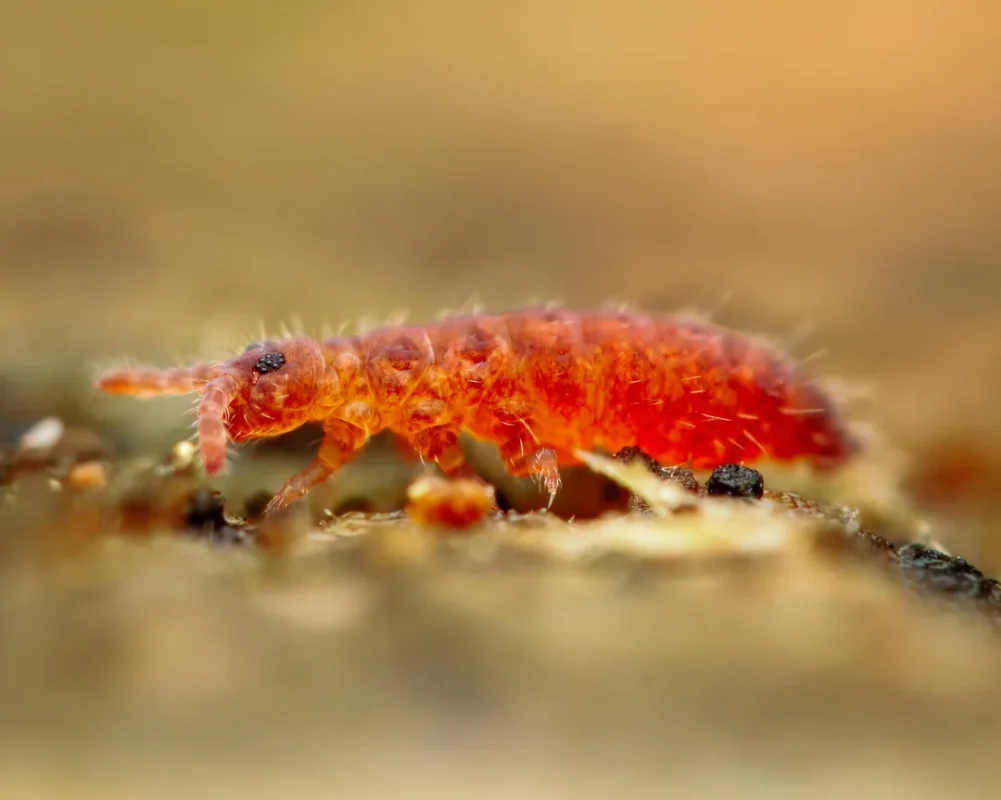
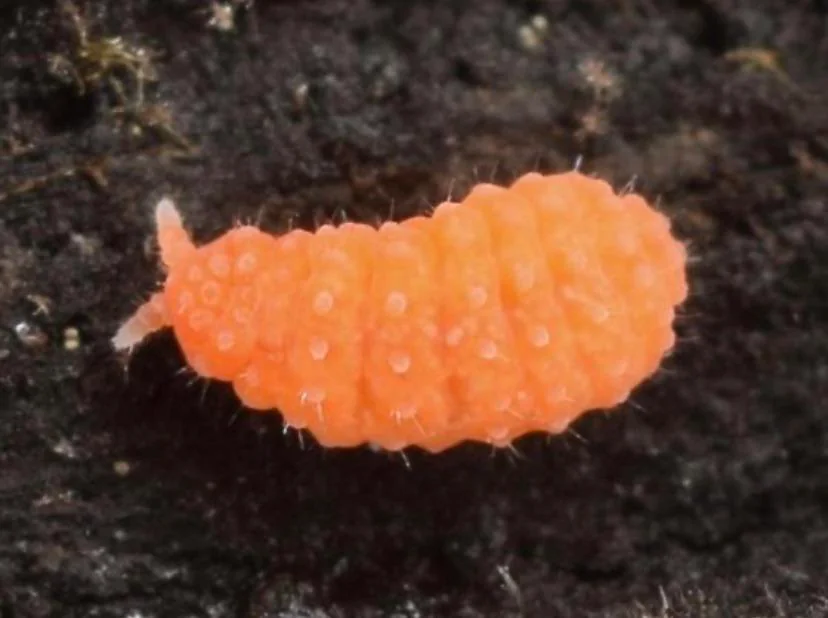
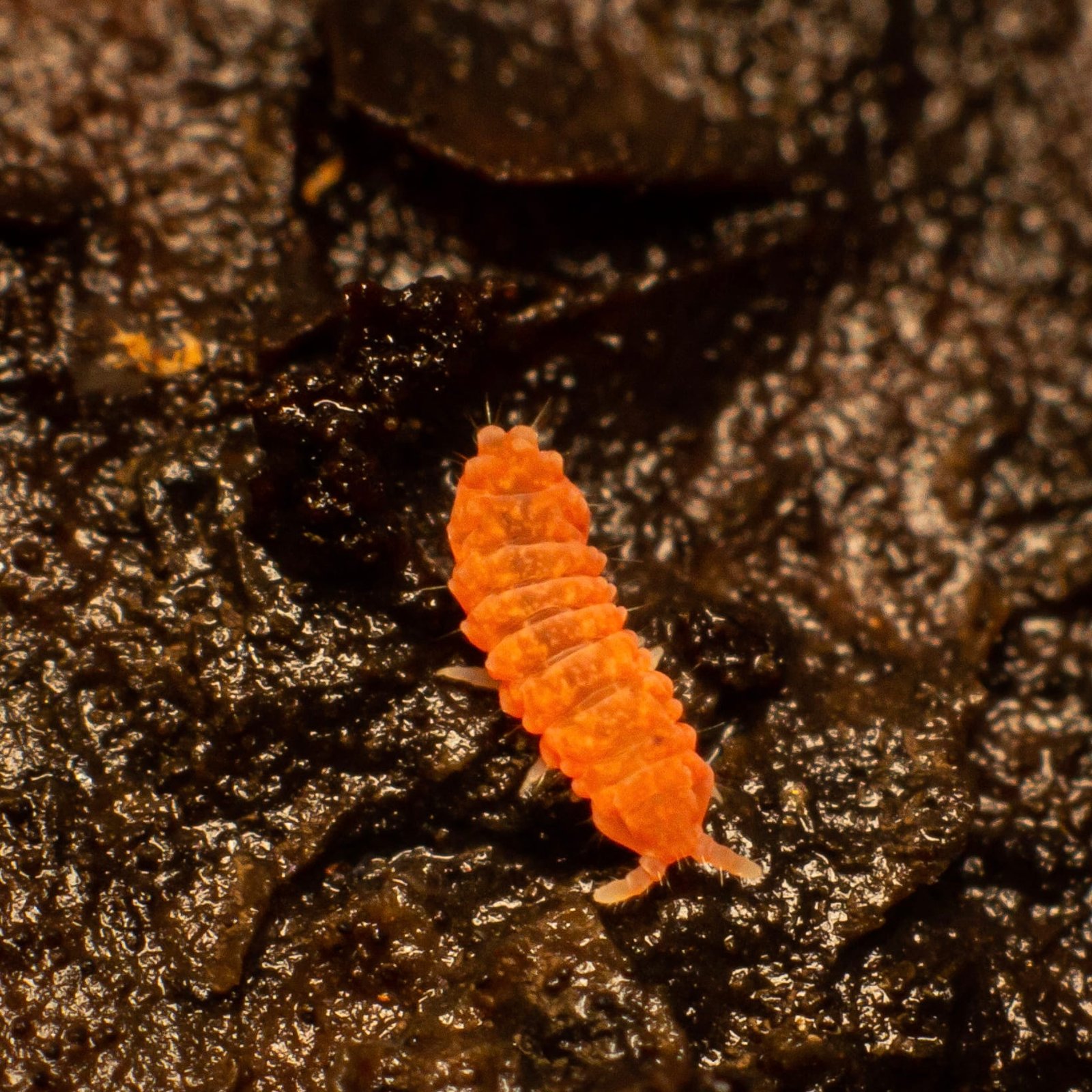
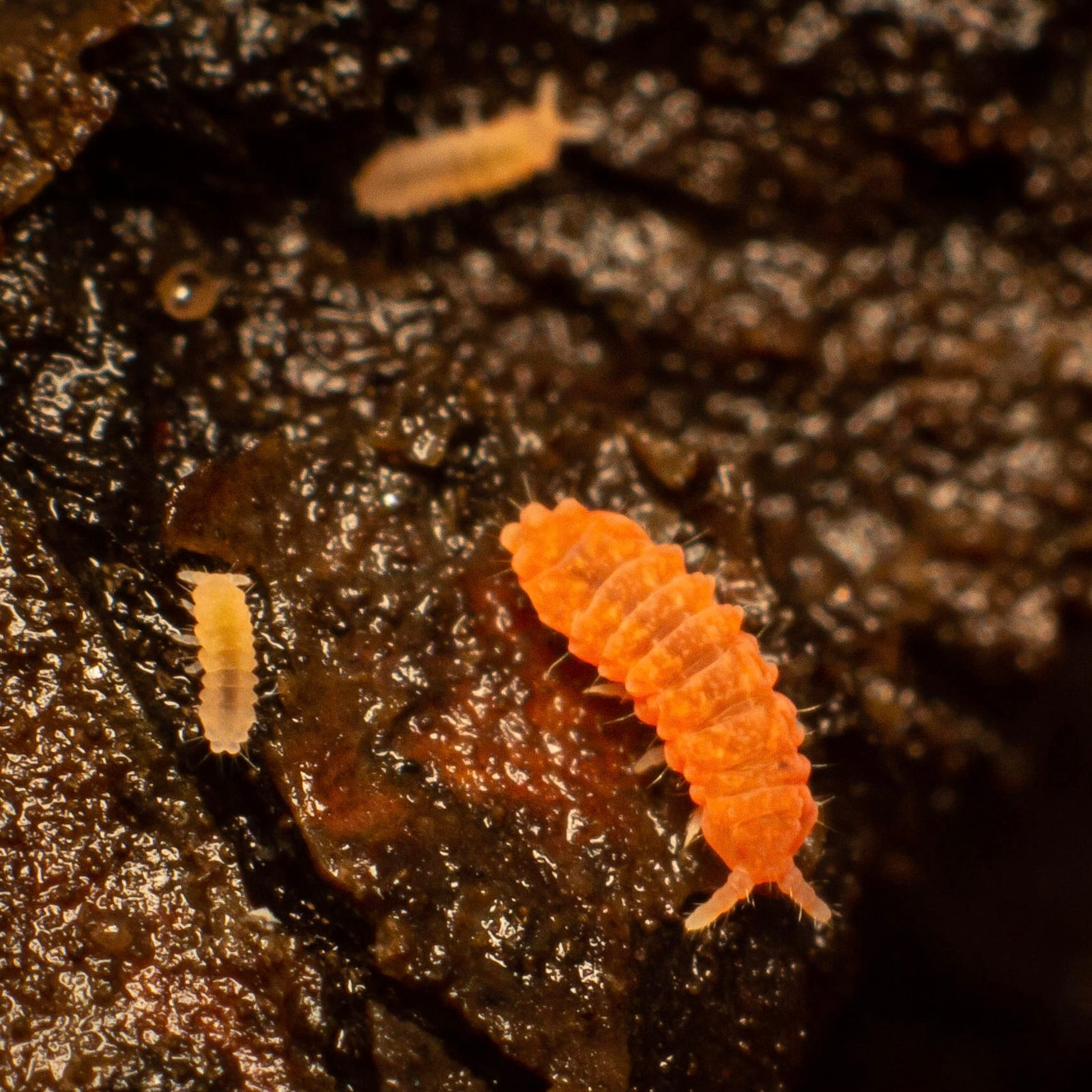
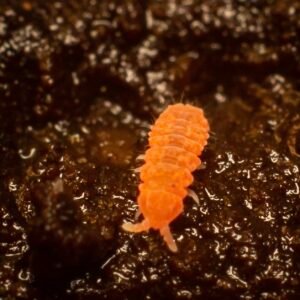
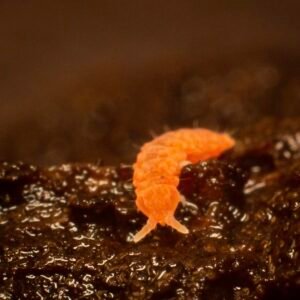
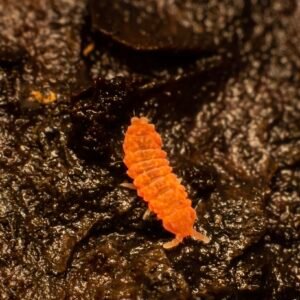
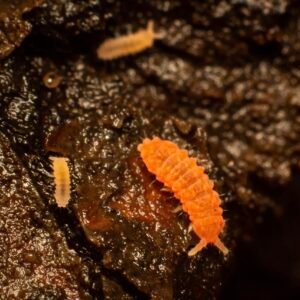
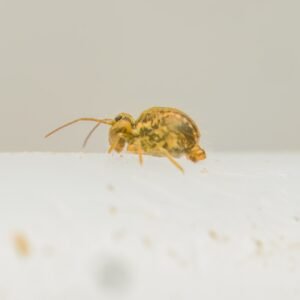
Vivid warm orange, compact and rounded, slow-moving and non-jumping; a genuinely visible cleanup crew member that works through tropical substrate at a pace you can actually follow.
Hardy, prolific, and beginner-friendly.
Excellent live feeder for dart frogs and small tropical predators.
Similar care to the Florida Orange but with its own distinct orange tone and Asian origin.
Raised in-house on moist organic substrate and shipped with a live arrival guarantee.
From $16.00. Select your quantity below.
Tropical Orange Springtail Culture — Asian Bioactive Species (Yuukianura aphoruroides)
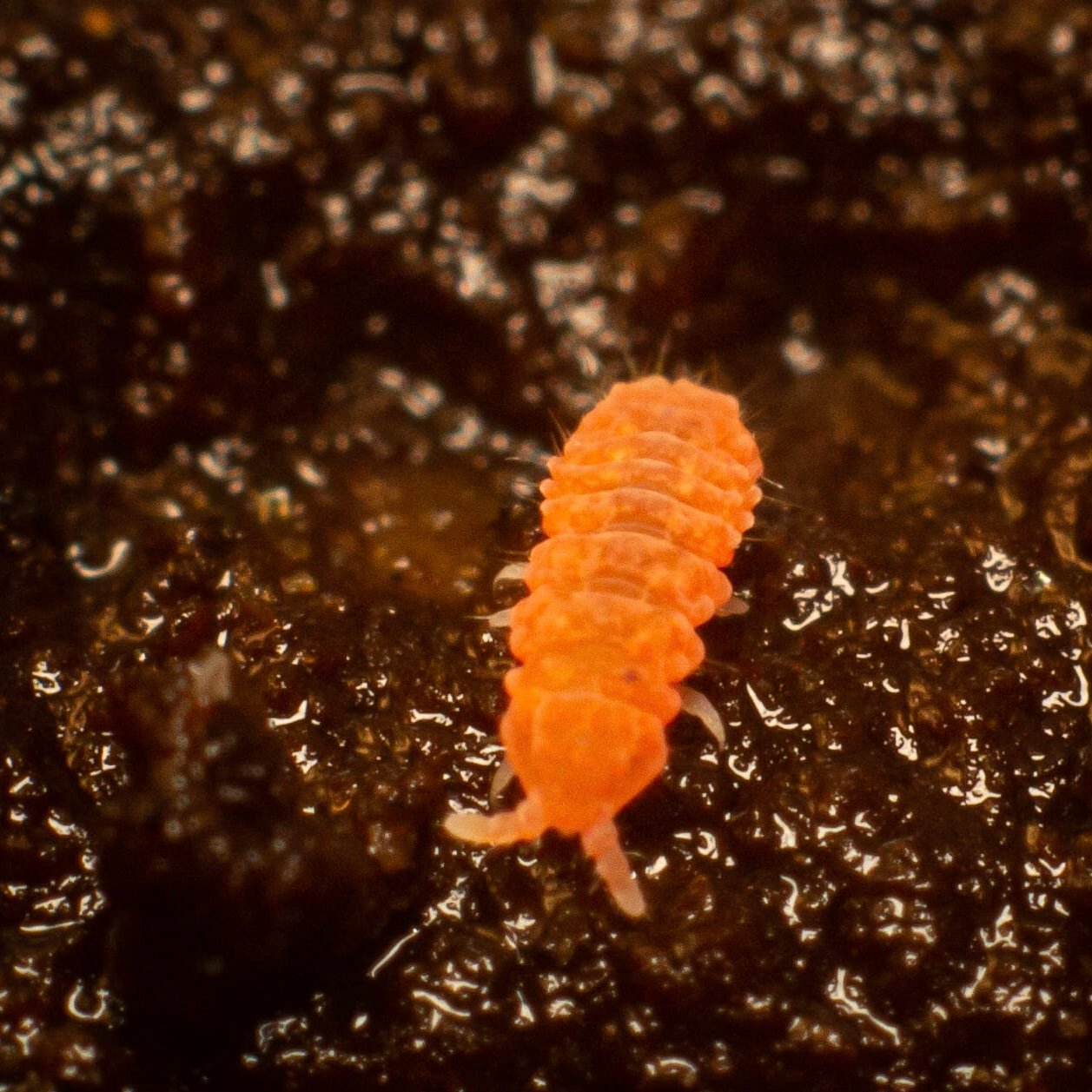
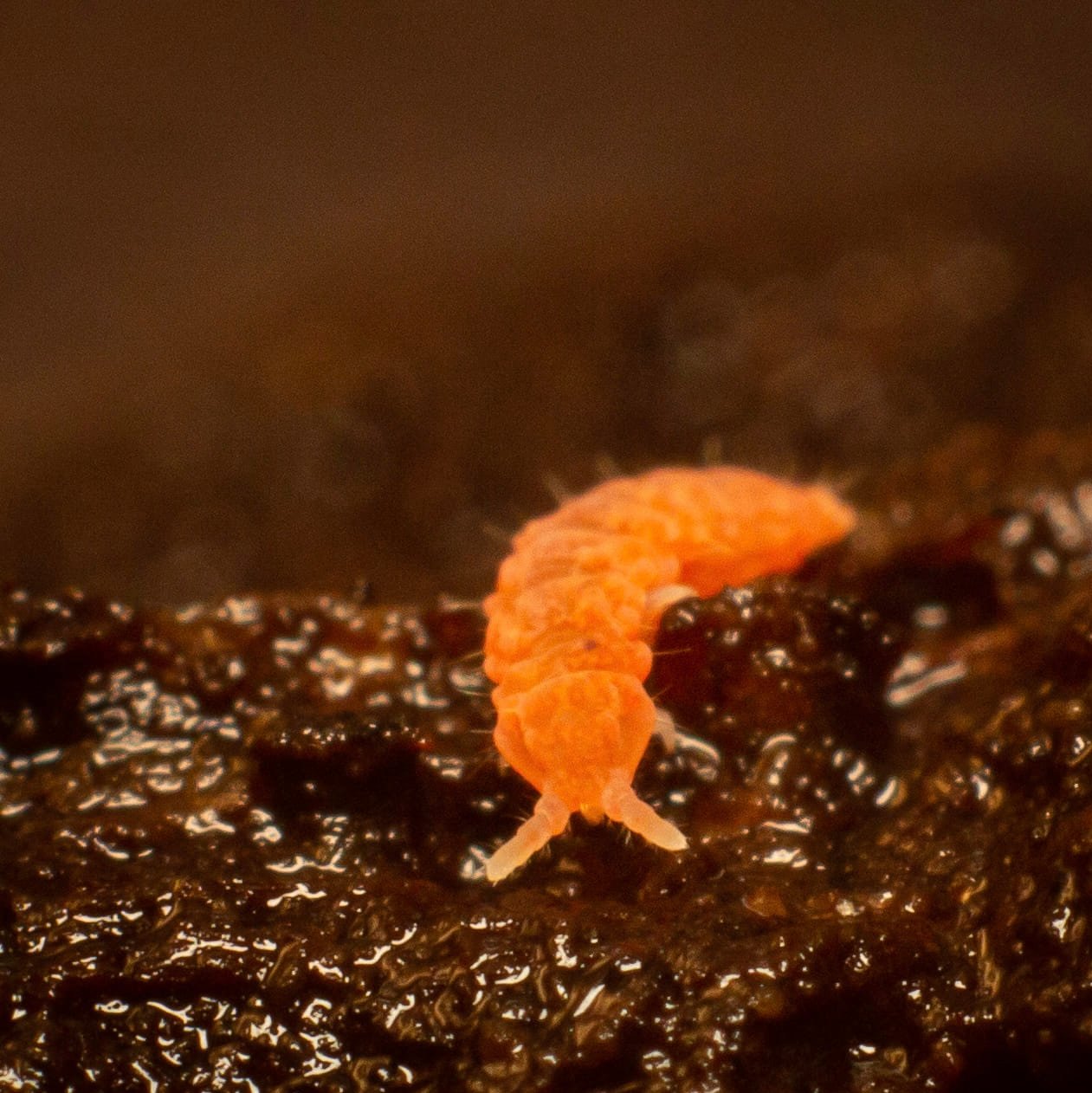
Someone in the hobby once called them “dirt Cheetos.” It’s accurate enough to be funny and specific enough to be immediately useful — because the moment you see Yuukianura aphoruroides moving through dark organic substrate, you understand exactly what they meant. Bright, warm orange. Compact and rounded. Slow and deliberate. Completely visible. A tiny pop of vivid colour working its way through the soil layer of your vivarium, doing a job that most cleanup crew members do invisibly.
Yuukianura aphoruroides — the Tropical Orange Springtail — is a compact, non-jumping, slow-moving detritivore believed to originate from Asia, now established in the hobby as one of the most reliably charming orange springtail species available. Similar in size and temperament to the Florida Orange (Neanura growae), but with its own distinct orange tone and Asian origin, it fills the same visible, watchable, slow-moving niche in a tropical vivarium — and at $16.00 for a starter culture, it’s one of the most accessible coloured springtail options in the range.
Asian Orange vs Florida Orange — What’s Actually Different
You might be wondering why we carry two orange springtail species. Fair question — here’s the honest answer:
| Tropical Orange (Y. aphoruroides) | Florida Orange (N. growae) | |
|---|---|---|
| Origin | Asia | Florida, USA (native) |
| Size | Similar — compact and rounded | Similar — slightly larger on average |
| Orange tone | Vivid warm orange — slightly different hue | Rich warm orange |
| Movement | Slow, deliberate, non-jumping | Slow, deliberate, non-jumping |
| Body form | Plump, rounded Neanuridae | Plump, rounded Neanuridae |
| Care requirements | Near identical | Near identical |
| Best for | Keepers who want the Asian species specifically | Keepers who want the native US species |
The practical difference is subtle — same family, same behaviour, same care, similar size. The distinction is origin, orange tone, and for collectors, the satisfaction of having both. Many serious keepers run both species side by side simply because they enjoy the subtle variation and appreciate building a genuinely diverse orange springtail collection.
What They Do in Your Vivarium
Y. aphoruroides is a detritivore and fungivore — its job is processing the organic material that builds up in a bioactive enclosure before it becomes a problem. In practice:
- Mold and fungal control — feeds on fungal hyphae, mold spores, and bacterial biofilm through the upper substrate layers; particularly effective in warm, humid tropical conditions
- Organic waste processing — decaying leaf matter, uneaten food, animal waste, and shed skin get broken down as part of normal colony feeding activity
- Nutrient cycling — organic waste gets converted back into usable soil nutrients that feed your plants and support the living substrate
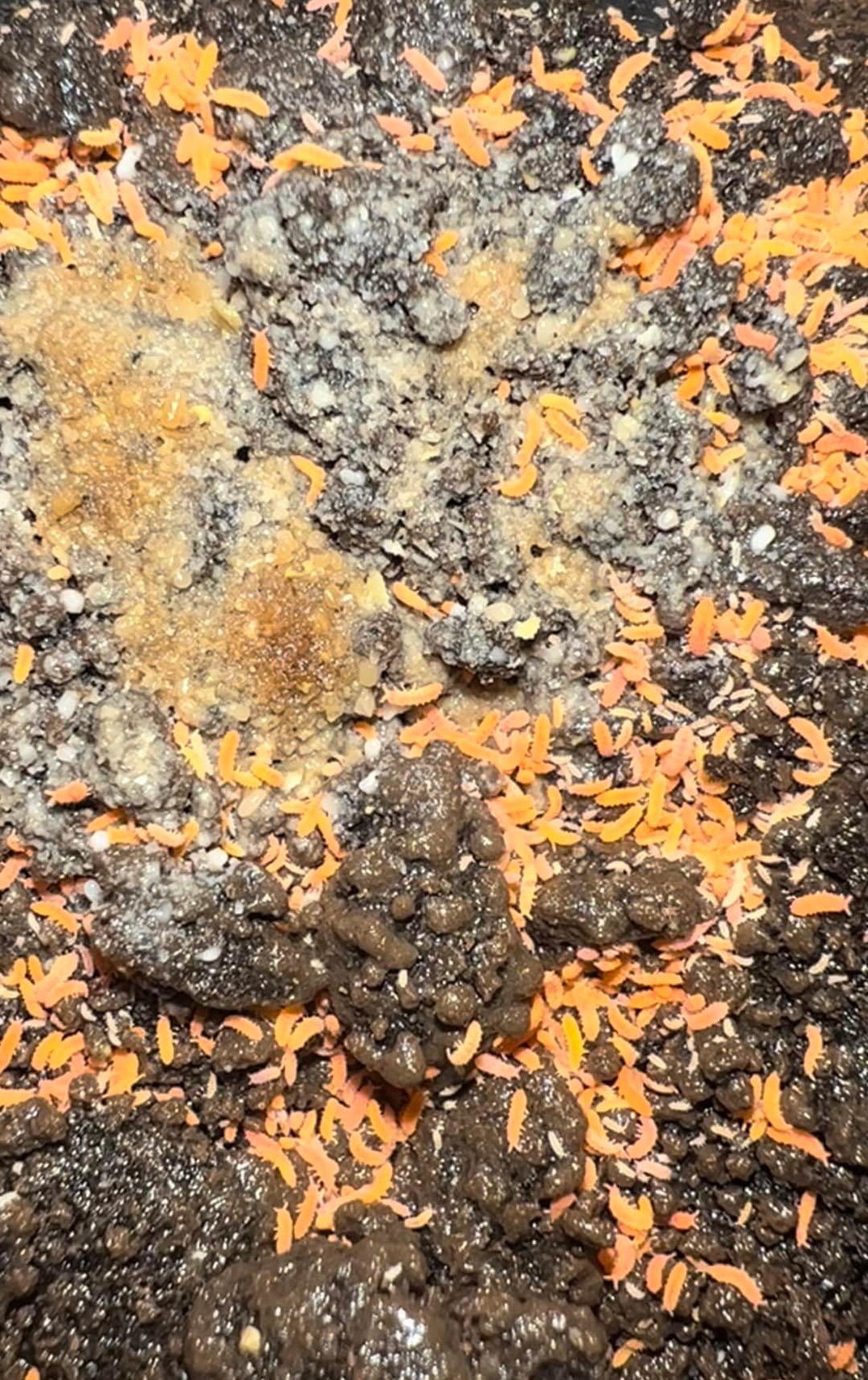
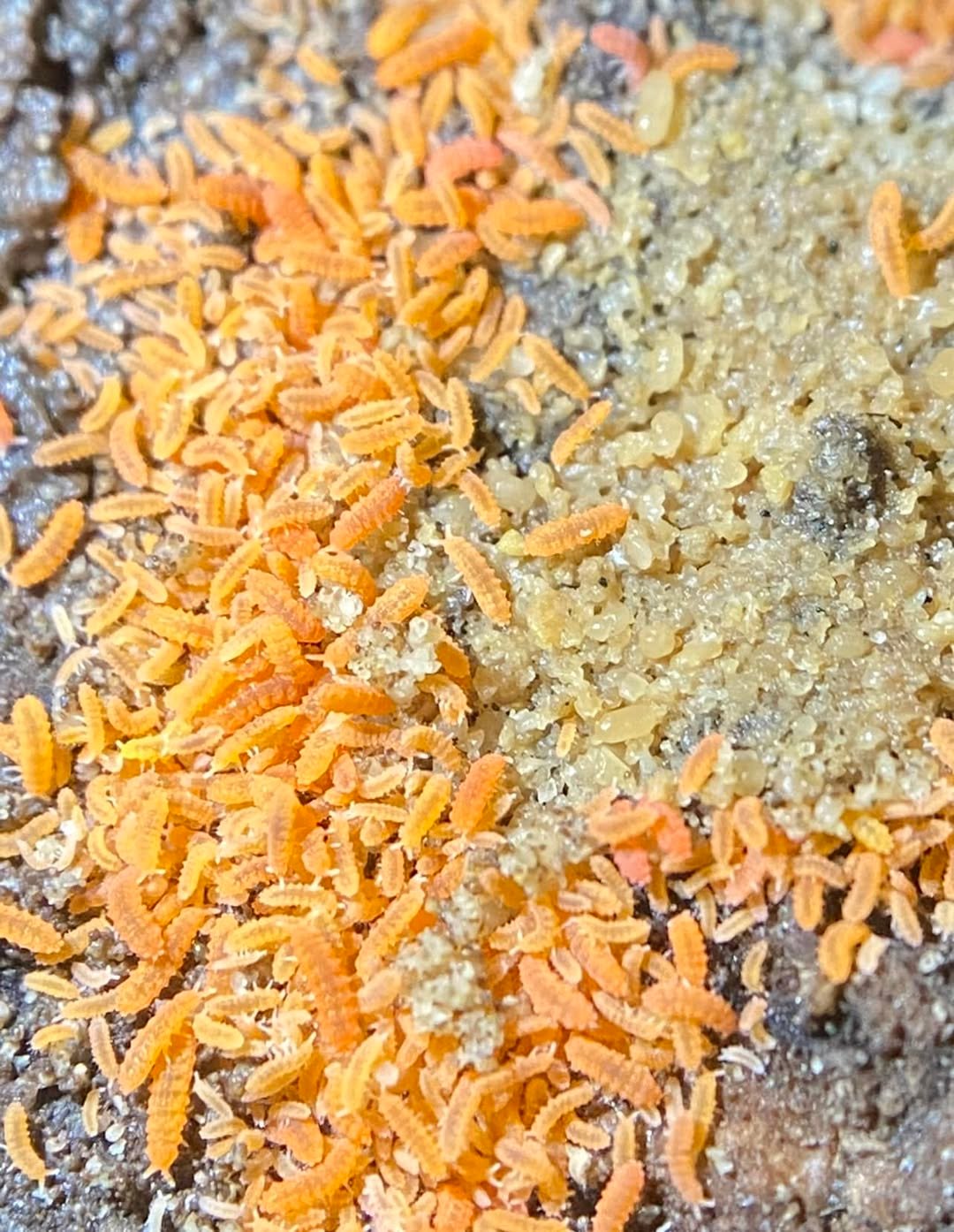
- Feeding swarms — like the Florida Orange, Y. aphoruroides becomes visibly active at feeding time, swarming food sources in clusters of bright orange that are genuinely enjoyable to watch
- Non-jumping substrate behaviour — lacks the furcula common to most springtails; stays close to food sources, moves predictably through the soil, and doesn’t scatter when the enclosure is opened
They’re quiet, steady workers — and the orange makes every bit of that work visible.
As a Live Feeder
Orange springtails make great feeders for many species of poison dart frogs. Y. aphoruroides specifically is noted for being just the right size for both adult and juvenile dart frog species, making it a versatile feeder across different life stages. Their slow movement and vivid colour make them easy for small predators to spot and track — and once established in a warm vivarium, the colony self-replenishes continuously without any reordering needed.
Who Is This For?
- Tropical vivarium builders who want a visible, colourful, slow-moving orange cleanup crew member that earns its place in the display as much as in the substrate
- Dart frog keepers — a self-replenishing, appropriately sized live feeder that also keeps the enclosure clean while it waits to be eaten
- Orange springtail collectors who already have the Florida Orange and want the Asian species to complete their orange range — same family, different origin, subtly different orange tone
- Bioactive beginners — wide tolerance, simple care requirements, and highly forgiving; one of the easiest coloured springtail species to start with
- Observational keepers who enjoy watching microfauna; the slow predictable movement of Y. aphoruroidesmakes colony activity easy to follow without disturbing the enclosure
- Display vivarium builders who want warm orange tones in the substrate layer — particularly effective against dark coco fibre, organic soil, or leaf litter backgrounds
Care Level: Beginner. Hardy, adaptable, and beginner-friendly. Thrives in the warm, moist conditions that most tropical vivariums already provide. One of the most forgiving coloured springtail cultures in the range.
Care & Housing Requirements
| Parameter | Recommended Range |
|---|---|
| Temperature | 70–80°F (21–27°C) — optimal reproduction around 75°F |
| Humidity | High — consistently moist substrate; 70–80% relative humidity |
| Substrate | Moist organic soil, coco fibre, peat, or charcoal |
| Diet | Tropical fish flakes, brewer’s yeast, decaying plant matter, boiled rice |
| Enclosure | Secure-lidded container with ventilation |
| Care Level | Beginner |
Light sensitivity note: Like their Florida Orange relatives, Y. aphoruroides prefers dim, shaded microhabitats — they’re most active in lower light conditions and spend most of their time inside the substrate rather than at the surface. In a vivarium setting this means they’re naturally drawn to the shaded floor zones away from intense lighting, which is exactly where mold and organic buildup tend to concentrate.
Feeding note: A varied diet keeps this species in peak condition — rotate between brewer’s yeast, fish flakes, small amounts of boiled rice, and dried mushroom for the healthiest, most prolific colony.
What’s Included
Each culture contains approximately 50 live Yuukianura aphoruroides springtails — adults and juveniles with the characteristic vivid orange colouration — raised in-house at Springtails Culture on moist organic substrate and shipped with our live arrival guarantee.
| Quantity | Best For |
|---|---|
| 50 springtails | Single tropical vivarium or starter culture |
| 100 springtails | 1–2 planted or dart frog enclosures |
| 150 springtails | Medium builds or pairing alongside Florida Orange |
| 200 springtails | Multiple tropical enclosures or a full orange-range collection |
| 250 springtails | Large vivariums or serious multi-species keepers |
| 500 springtails | Breeders and feeder culture setups |
| 1,000 springtails | Wholesale supply — best value per springtail |
Build the Orange Collection
The most satisfying way to keep Y. aphoruroides is alongside its US cousin — pair the Tropical Orange with the Florida Orange (Neanura growae) in separate enclosures or cultures and you have both major orange springtail species in the hobby, representing two different continents, two subtly different orange tones, and one of the most distinctive and colourful micro-collections you can build. Add Tropical White or Tropical Pink for a complete tropical cleanup crew that covers every substrate layer with colour and function.
Shipping & Live Arrival Guarantee
All cultures are packed with care and monitored for temperature throughout transit. Your Y. aphoruroides will arrive alive and active on moist organic substrate, ready to settle in.
Please note: Quantities are estimated counts. Cultures may vary slightly in number. All sales are final — please review our Refund & Returns Policy before purchasing.
| Weight | 0.5 lbs |
|---|---|
| Species | Yuukianura aphoruroides |
| Type | Tropical |
| Colour | Orange |
| Origin | Asia |
| Difficulty | Beginner–Mid |
| Temperature | 23–29°C |
| Humidity | High (75–90%) |
| Use | Cleanup crew / feeder / collector |
| Substrate | Charcoal / tropical mix with rotting wood |
| Live arrival | Guaranteed |
| Care sheet | Included |
| quantity | 100 springtails, 1000 springtails, 150 springtails, 200 springtails, 250 springtails, 50 springtails, 500 springtails |
Be the first to review “Yuukianura aphoruroides – Tropical Orange Springtail Culture — Asian Bioactive Substrate Kit”
Related products
Rare and Exotic Springtails
Tropical Springtails
Rare and Exotic Springtails
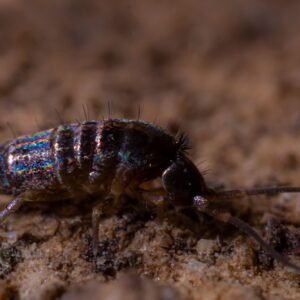
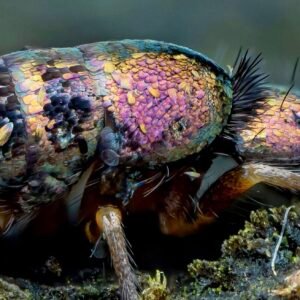
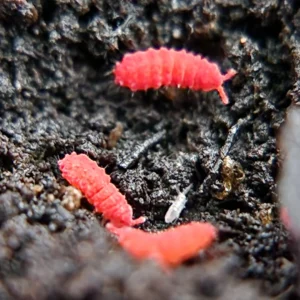
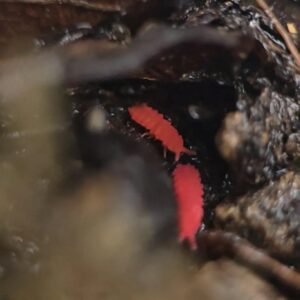
Thai Red Springtails | Lobella cf. sp. Thai Red Springtail Culture | Ultra Rare Collector Species
Temperate Springtails
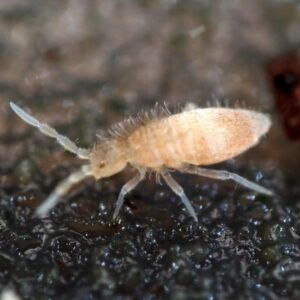
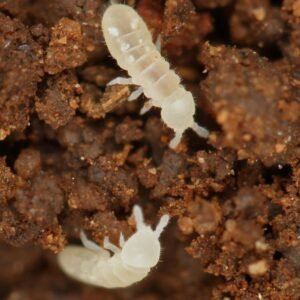
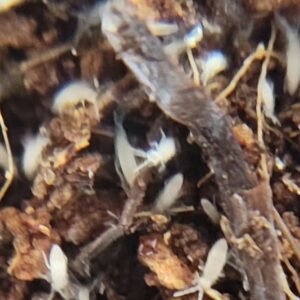
Sinella curviseta – Pink Curved Springtail Culture — Planted Vivarium Bioactive Substrate Kit
Tropical Springtails
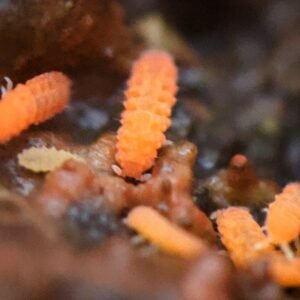
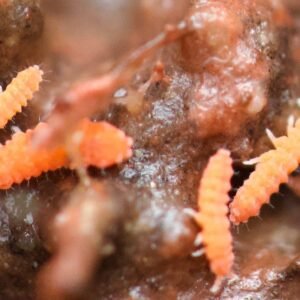
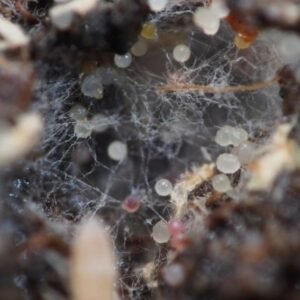
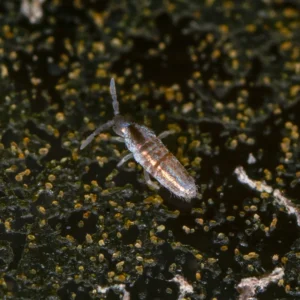
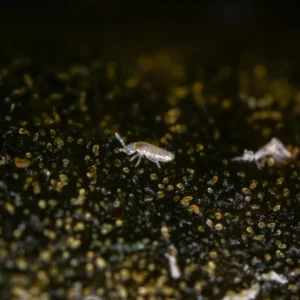
Coecobrya tenebricosa – Tropical Pink Springtail Culture — Bioactive Microfauna Substrate Kit
Rare and Exotic Springtails

Rare and Exotic Springtails
Tropical Springtails
Reviews
There are no reviews yet.