
Tomocerus minor | Large Temperate Springtail Culture | Woodland Leaf Litter Processor
Price range: $50.00 through $460.00
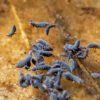
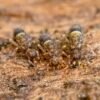
Buy Tomocerus minor — the Large Temperate Springtail — a metallic silvery-blue iridescent woodland leaf litter processor reaching up to 4.5mm.
A member of the scale-covered Tomoceridae family, T. minor is scientifically documented as one of the primary biological agents in temperate woodland leaf decomposition and actively processing organic material, not just grazing mold surfaces.
Surface-active, visually impressive, and genuinely large for a temperate species.
The essential upgrade for woodland terrariums, leaf litter-rich enclosures, and cool-climate bioactive builds.
Raised in-house and shipped with a live arrival guarantee.
Select your quantity below.
Tomocerus minor — Large Temperate Springtail Culture | Woodland Leaf Litter Processor
In the world of temperate springtails, most species are small, pale, and functionally indistinct. Tomocerus minor is none of those things.
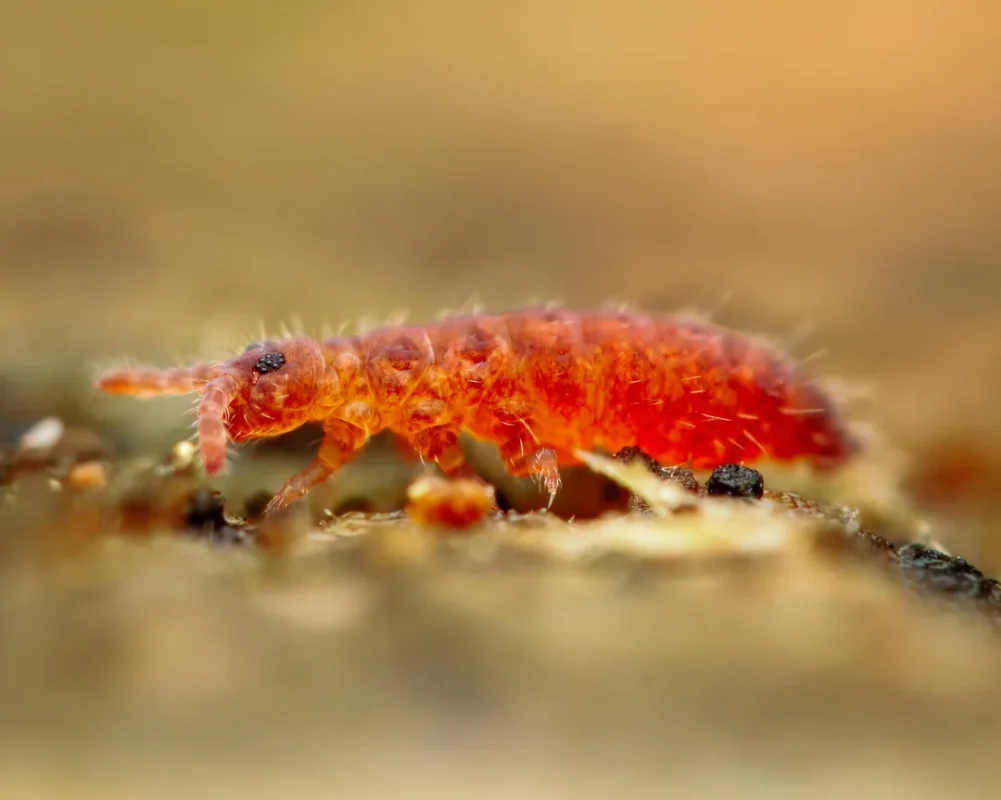
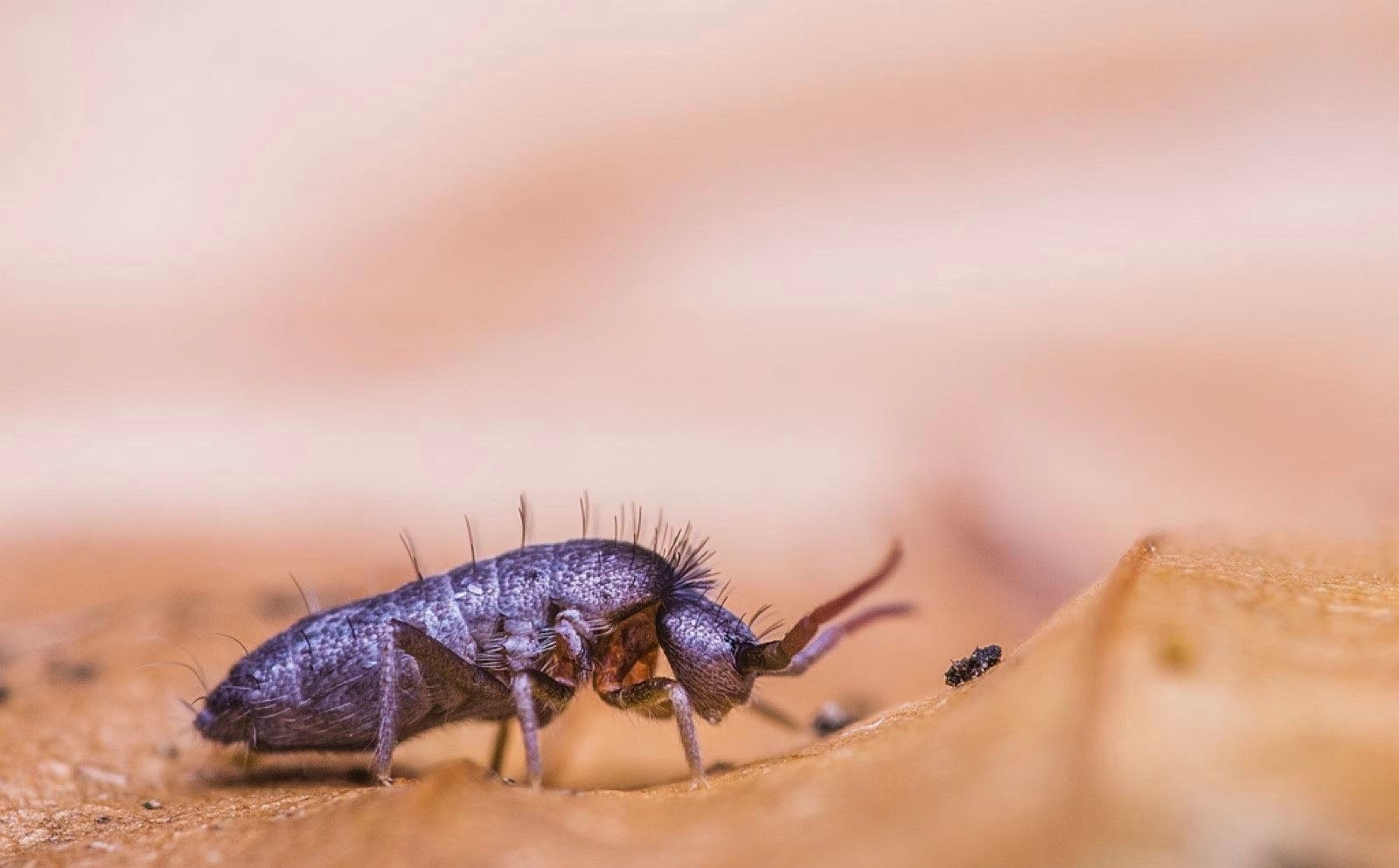
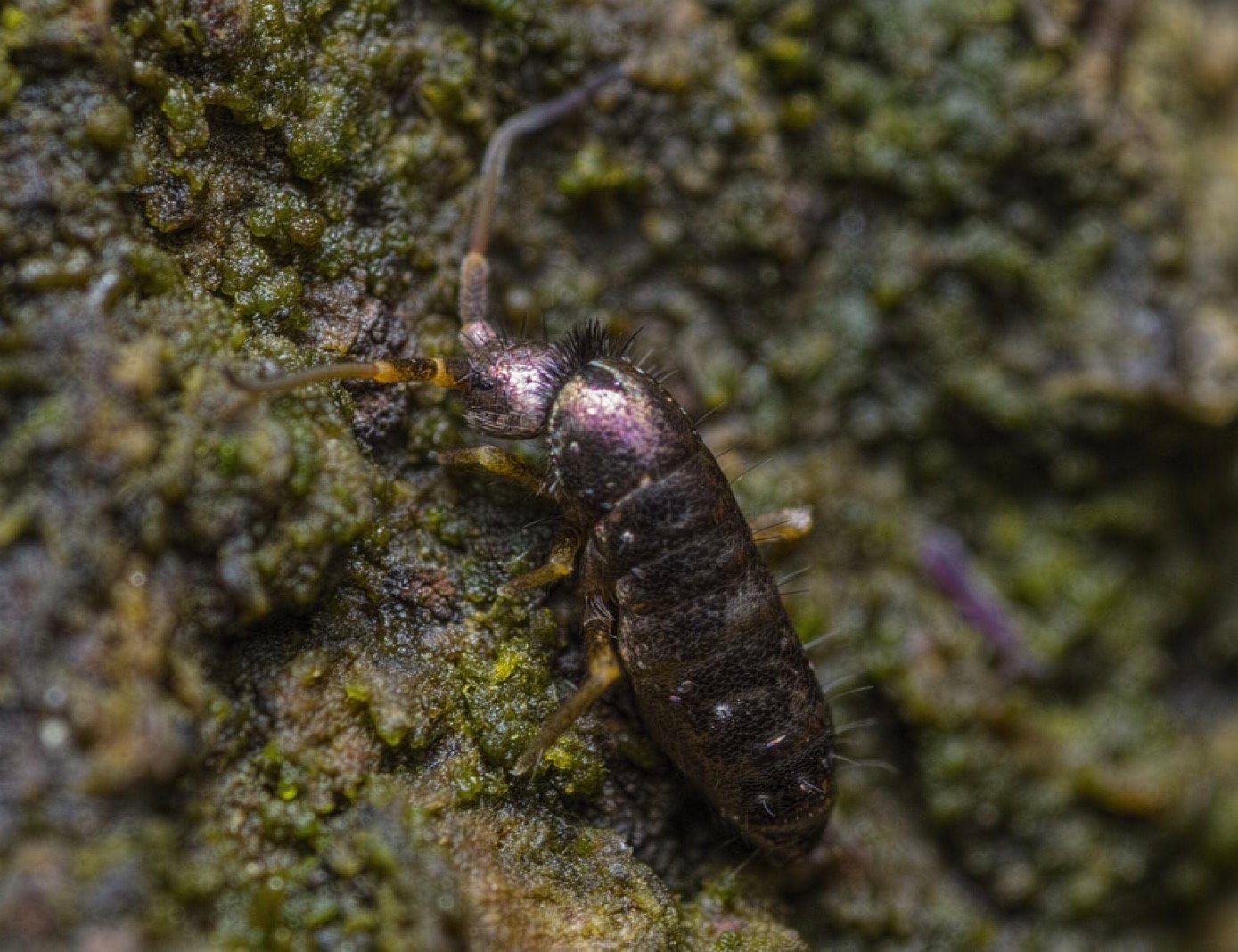
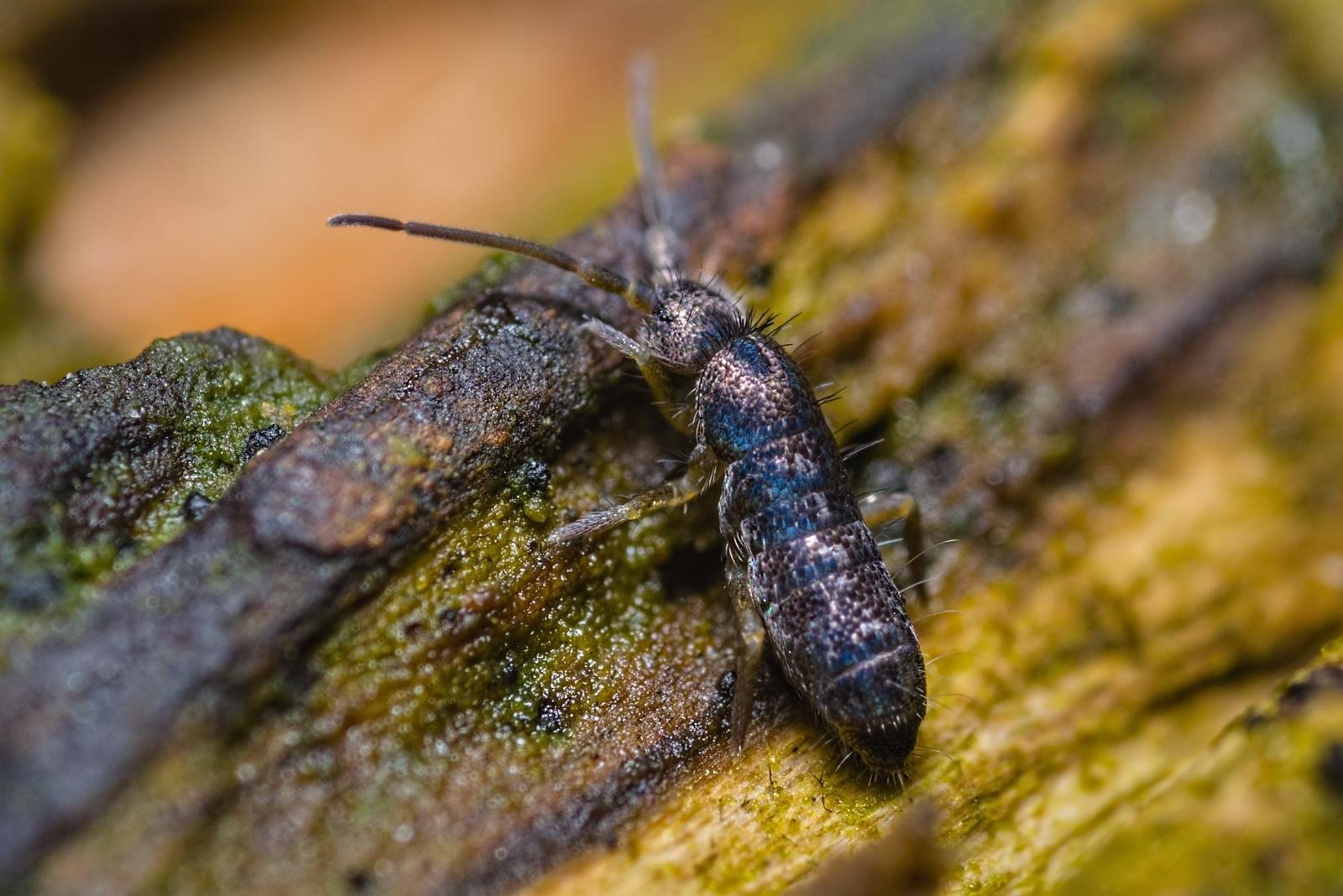
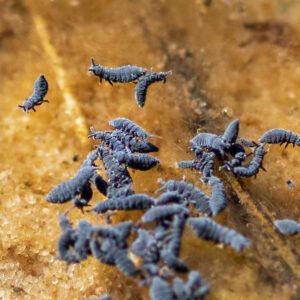
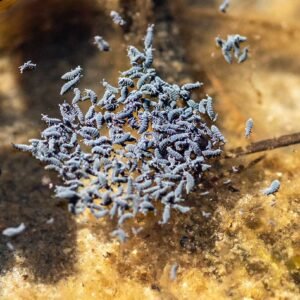
Reaching up to 4.5mm in length genuinely large for a temperate Collembola with a metallic, silvery-blue iridescent colouration produced by the characteristic scale-covered body of the Tomoceridae family, T. minor is a temperate springtail that looks and performs like nothing else in its category.
It is simultaneously one of the most scientifically documented leaf litter processors in temperate ecology and one of the most visually impressive springtails you can add to a woodland terrarium build.
This is the temperate cleanup crew upgrade most woodland vivarium builders didn’t know they were missing.
What Is Tomocerus minor?
Tomocerus minor is a widely distributed temperate springtail belonging to the Tomoceridae: the same scientifically distinguished, scale-covered family as the Iridescent Silver and Iridescent Blue springtails in our Rare & Exotic range.
Unlike its larger, more visually dramatic genus relatives, T. minor is specifically adapted to the cool, moist conditions of temperate woodland ecosystems found naturally in leaf litter, under bark, beside rotting logs, and across the organic surface layers of deciduous and mixed forest floors across Europe, North America, and beyond.
At up to 4.5mm, it is among the largest temperate springtail species in the hobby.
Its metallic silvery-blue iridescent body produced by the same scale-based structural colouration that makes the Tomoceridae so visually distinctive makes it immediately recognisable and genuinely impressive in a terrarium setting where most temperate cleanup crew members are invisible to the casual eye.
What Sets T. minor Apart from Standard Temperate Species
The temperate springtail category is dominated by small, white, soil-dwelling Folsomia candida cultures. Tomocerus minor is categorically different:
- Up to 4.5mm body length — 3–4 times larger than most temperate species, making it visible and identifiable in a woodland terrarium without magnification
- Metallic silvery-blue iridescence — structural colouration from the Tomoceridae’s characteristic body scales; subtle and naturalistic rather than vivid, perfectly suited to woodland aesthetics
- Surface and litter-layer active — a true epigeal species that navigates leaf litter, bark surfaces, moss, and the upper organic substrate layers where it can be observed and appreciated
- Leaf litter specialist — scientifically documented as one of the primary biological agents in temperate woodland leaf litter decomposition; not just a mold grazer but a genuine structural processor of organic material
- Exceptional jumper — like all Tomoceridae, T. minor has a well-developed furcula and can leap impressive distances relative to its body size, adding lively movement to any woodland enclosure
- Cool-climate performer — thrives at temperate woodland temperatures where tropical species are ineffective; optimal reproduction at 65–75°F
The Science of Leaf Litter Processing
What makes T. minor genuinely exceptional isn’t just its size or appearance, it’s its documented ecological function.
Scientific research using laboratory microcosms has shown that the introduction of Tomocerus minor to pine litter enhances cellulase activity in the substrate meaning it actively accelerates the biological machinery of leaf decomposition at a measurable level.
It feeds primarily on fungal hyphae, fungal spores, and algae within the litter layer, but its feeding and movement through leaf litter physically fragments organic material, increasing surface area and dramatically accelerating microbial breakdown.
In plain terms: T. minor doesn’t just clean mold off surfaces.
It processes the leaf litter itself by breaking it down faster, more completely, and more efficiently than passive microbial decomposition alone.
For woodland terrarium builders who invest in deep organic substrate, quality leaf litter layers, and naturalistic forest floor ecosystems, this is exactly the cleanup crew function they need but rarely find in a single temperate species.
Ideal For
- Temperate woodland terrariums — the definitive leaf litter and forest floor specialist for cool, moist naturalistic builds
- Leaf litter-rich enclosures — any setup with deep, layered organic material that needs genuine structural breakdown, not just surface mold grazing
- Cool-climate reptile and amphibian vivariums — temperate salamanders, newts, woodland frogs, slow-worms, and cool-climate invertebrates all benefit from a large, active temperate cleanup species
- Rotting log and deadwood displays — T. minor is naturally found under bark and beside rotting wood; it thrives in enclosures built around woody organic decomposition
- Multi-species collectors completing a temperate springtail collection with a large, iridescent, scientifically significant species
- Moss terrarium builders — the silvery-blue scaling of T. minor is beautifully complementary to moss-heavy woodland aesthetics
The Complete Temperate Woodland Cleanup Crew
Pair Tomocerus minor with Folsomia candida for a fully layered temperate cleanup system with complete ecological coverage:
- Folsomia candida — small, fast-reproducing, works deep in soil layers; handles mold and microbial growth throughout the substrate
- Tomocerus minor — large, surface-active, leaf litter processor; handles structural organic breakdown at the litter layer where F. candida is least effective
For the most complete temperate woodland system, add Hypogastrura vernalis (our Spring Springtail) to cover the coldest, dampest microhabitats creating a three-species temperate cleanup crew with genuine ecological depth at every level of your enclosure.
Who Is This Species For?
- Temperate woodland terrarium builders who want a large, visible, scientifically meaningful cleanup species rather than the standard invisible white culture
- Keepers who have invested in quality leaf litter layers and need a species that genuinely processes them rather than just grazing their surfaces
- Cool-climate vivarium keepers housing temperate amphibians, reptiles, or invertebrates who need size-appropriate microfauna
- Multi-species collectors building a complete temperate springtail ecosystem with ecological depth
- Hobbyists who appreciate the Tomoceridae body form and iridescent scaling but want a temperate-appropriate species rather than the tropical-leaning Iridescent Silver
Care Level: Beginner–Intermediate. T. minor is straightforward to establish in appropriate cool, moist woodland conditions. Not suited to warm tropical setups — keep at temperate woodland temperatures for best colony performance.
Care & Housing Requirements
| Parameter | Recommended Range |
|---|---|
| Temperature | 65–75°F (18–24°C) — cool temperate woodland range |
| Humidity | Moderate to high — consistently damp but not waterlogged |
| Substrate | Organic soil with leaf litter, rotting wood, bark, and moss |
| Diet | Leaf litter, fungal material, brewer’s yeast, springtail food |
| Enclosure | Secure-lidded container with good ventilation — strong jumpers |
| Care Level | Beginner–Intermediate |
Important: Tomocerus minor are exceptional jumpers: leave at least 1.5–2 inches of empty space at the top of any culture container and open cultures over a clean, dry container to catch any individuals that spring during transfers.
Key care note: Provide plenty of leaf litter, bark pieces, and rotting wood material in the culture asT. minor uses these both as food substrate and as shelter.
A culture without adequate organic surface material will underperform compared to one with a rich, layered litter environment.
What’s Included
Each culture contains approximately 50 Tomocerus minor springtails, including adults and juveniles, raised in-house at Springtails Culture on organic soil substrate with leaf litter and shipped with our live arrival guarantee.
Select your preferred quantity at checkout. All cultures are active, counted by estimation, and packed with care.
Shipping & Live Arrival Guarantee
All active cultures from Springtails Culture are carefully packed and monitored throughout transit.
For our temperate T. minor cultures, we take care to avoid heat exposure during shipping; these cool-adapted animals are packed to maintain appropriate conditions throughout delivery.
Please note: Quantities are estimated counts. Cultures may vary slightly in number. All sales are final — please review our Refund & Returns Policy before purchasing.
| Weight | 0.5 lbs |
|---|---|
| Species | Tomocerus minor |
| Common Name | Large Temperate Springtail |
| Type | Temperate |
| Difficulty | Beginner–Intermediate |
| Temperature | 13–20°C (55–68°F) |
| Humidity | Moderate to High (60–85%) |
| Use | Leaf litter processing / cleanup crew |
| Substrate | Leaf litter, decaying hardwood bark, rich topsoil |
| Live Arrival | Guaranteed |
| Care Sheet | Included |
| quantity | 100 springtails, 1000 springtails, 150 springtails, 200 springtails, 250 springtails, 50 springtails, 500 springtails |
1 review for Tomocerus minor | Large Temperate Springtail Culture | Woodland Leaf Litter Processor
Add a review
Related products
Temperate Springtails
Rare and Exotic Springtails
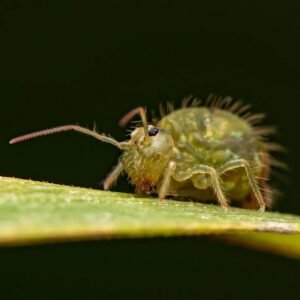
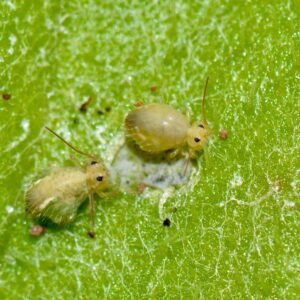
Sminthurus viridis — Lucerne Flea Culture | Globular Springtail for Decaying Matter Terrariums
Temperate Springtails
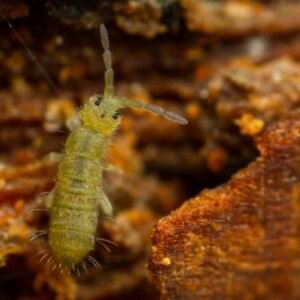
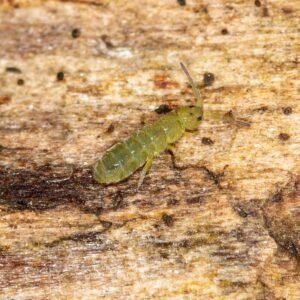
Isotoma viridis Green Springtail Culture | Cool-Climate Springtails for Moss Terrariums
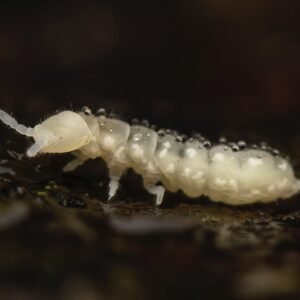
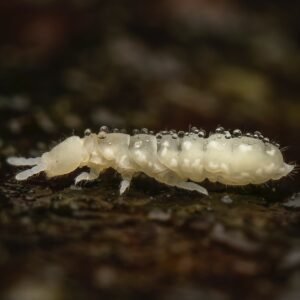
Temperate Springtails
Folsomia candida White Springtail Culture | Temperate Cleanup Crew for Terrariums & Bioactive Setups
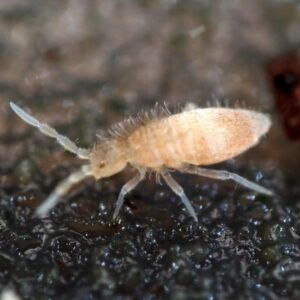
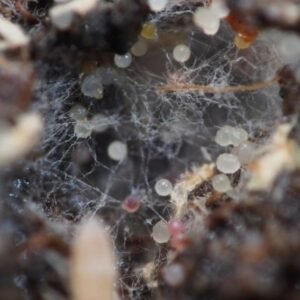
Temperate Springtails
Sinella curviseta – Pink Curved Springtail Culture — Planted Vivarium Bioactive Substrate Kit
Temperate Springtails
Hypogastrura vernalis | Spring Springtail Culture | Cool Damp Compost Terrarium Springtails
Chiarri –
i’ve been keeping sprintails for a longtime now and i decided to explore some rare species and this was my first, they look absolutely stunning 🤩 like you could eat them lol. the color projection is mind blowing, i wish i could share photos here but nonetheless thank you guys so much for safe delivery. i intent to get the silver ones and add them to my collection