
Florida Orange Springtails | Neanura growae Springtail Culture | Native US Tropical Bioactive Species
Price range: $16.00 through $220.00
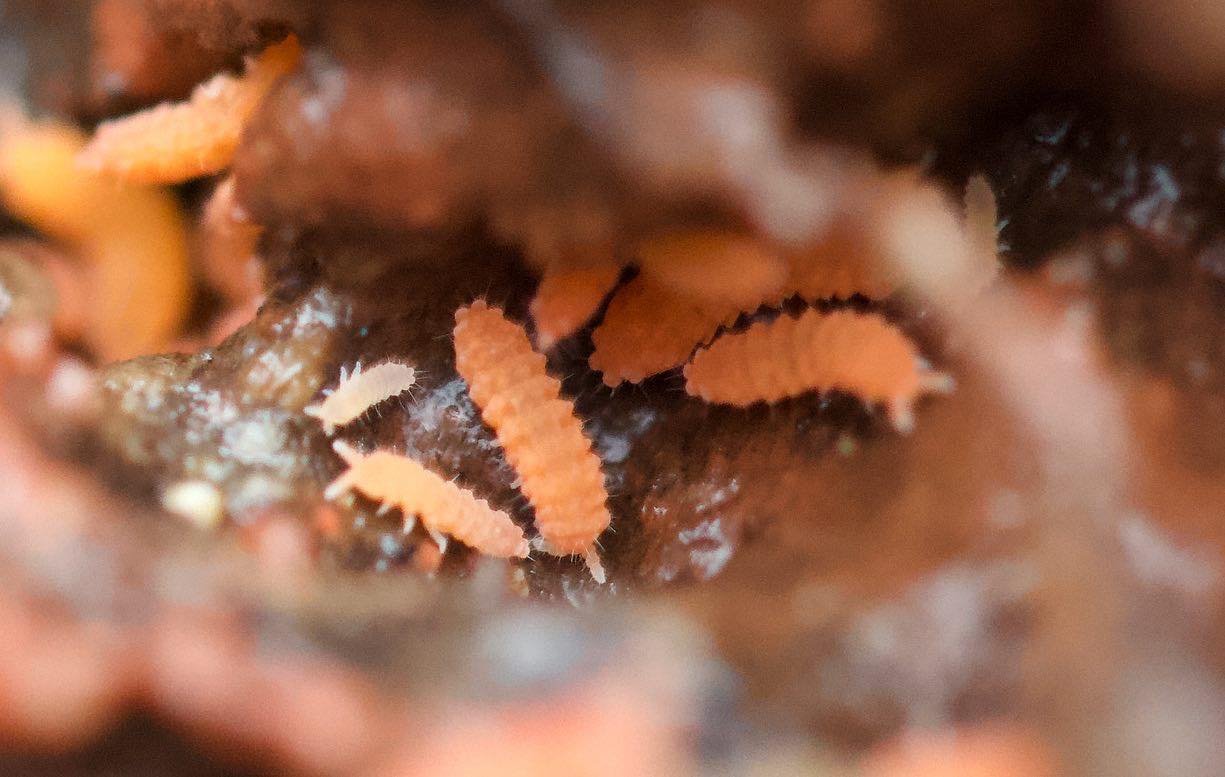
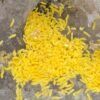
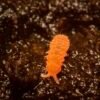
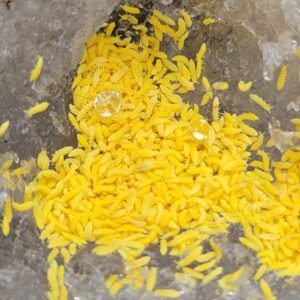
Buy Neanura growae — Florida Orange Springtails is a native US bioactive species prized for its warm orange colouration, slow deliberate movement, and non-jumping behaviour that makes it one of the most visible and watchable springtail species in the hobby.
Plump, chubby-bodied, and genuinely colourful in a tropical vivarium substrate.
Hardy, prolific, and beginner-friendly.
Excellent live feeder for dart frogs and small tropical predators.
Raised in-house on moist organic soil and shipped with a live arrival guarantee.
From $16.00. Select your quantity below.
Florida Orange Springtail Culture — Native US Bioactive Species (Neanura growae)
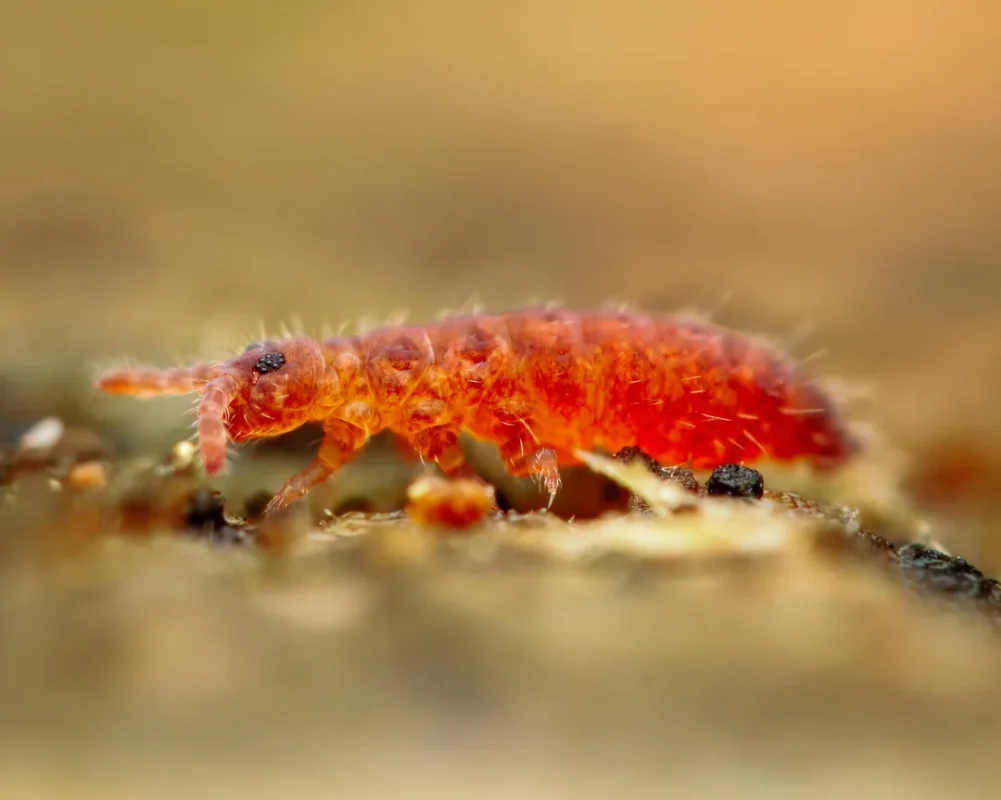
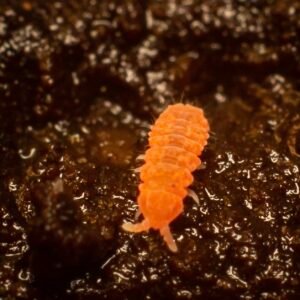
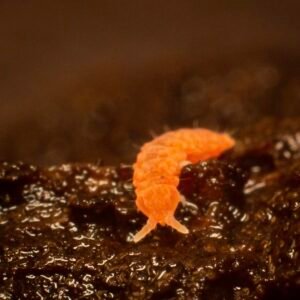
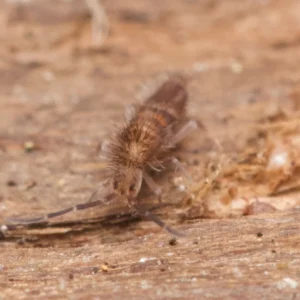
There’s something immediately likeable about the Florida Orange. It doesn’t jump around frantically like most springtails. It doesn’t vanish into the substrate the moment you look at it. It just moves — slowly, deliberately, and visibly — through the upper layers of your vivarium soil, its warm orange body catching the eye against dark substrate in a way that makes it feel less like invisible microfauna and more like a tiny, living part of the display.
Neanura growae — the Florida Orange Springtail — is a native US species originally found in the humid subtropical environment of Florida, and it has earned its place as one of the most consistently recommended orange springtails in the hobby. Its warm colouring, hardy constitution, and prolific breeding habits make it an outstanding choice for tropical bioactive vivariums of all sizes. Whether you’re seeding a new build, topping up an established enclosure, or just looking for a reliable, colourful cleanup crew member that actually shows up for work — the Florida Orange delivers.
What Makes the Florida Orange Different
Most springtails in the hobby are fast, tiny, and effectively invisible once they hit the substrate. The Florida Orange is none of those things — and that’s exactly the point:
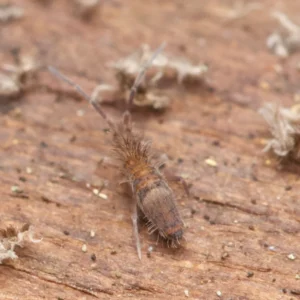
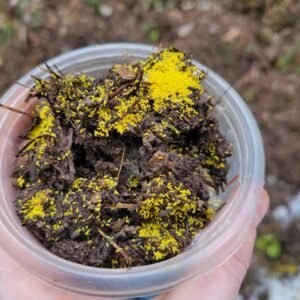
- Warm, vivid orange colouration — visible to the naked eye in a well-built vivarium; their colour stands out naturally against dark organic soil, coco fibre, and leaf litter
- Slow, deliberate movement — unlike most surface-running springtails, Florida Oranges move steadily and predictably through the substrate; you can actually watch them working
- Non-jumping — Neanura growae belongs to the Neanuridae family, a group characterised by a reduced or absent furcula; they don’t leap when disturbed, making them far easier to observe, handle, and manage than jumping species
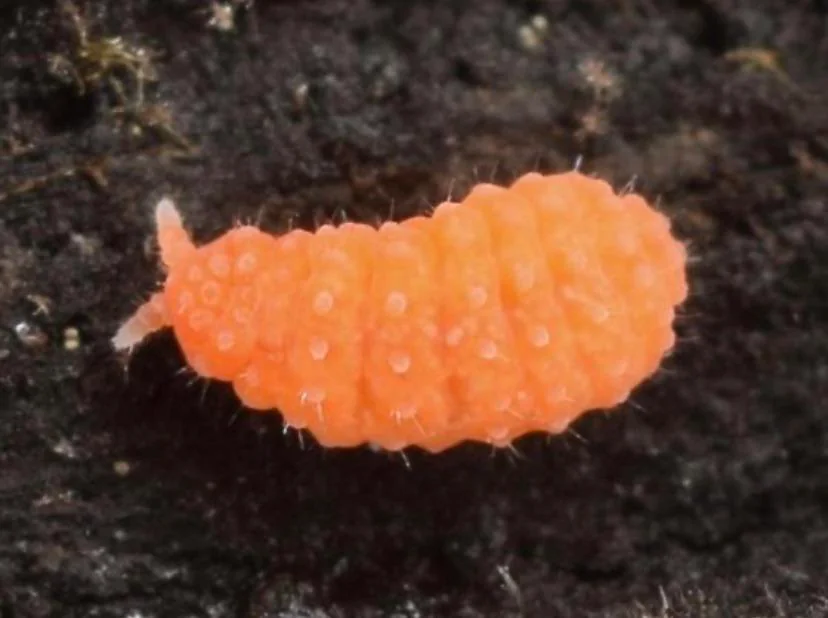
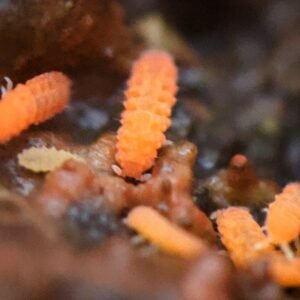
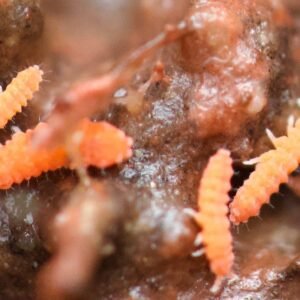
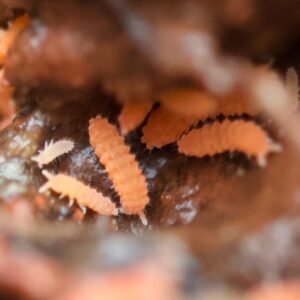
- Plump, compact body form — chubby and rounded, with a soft velvety texture visible under magnification; often described as resembling tiny walking citrus pebbles, which is both accurate and charming
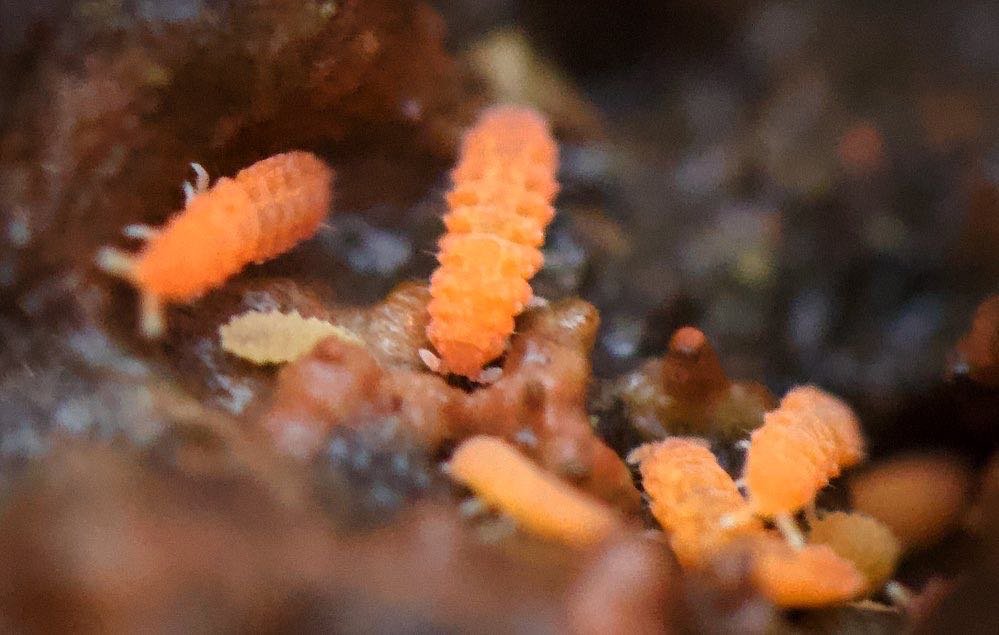
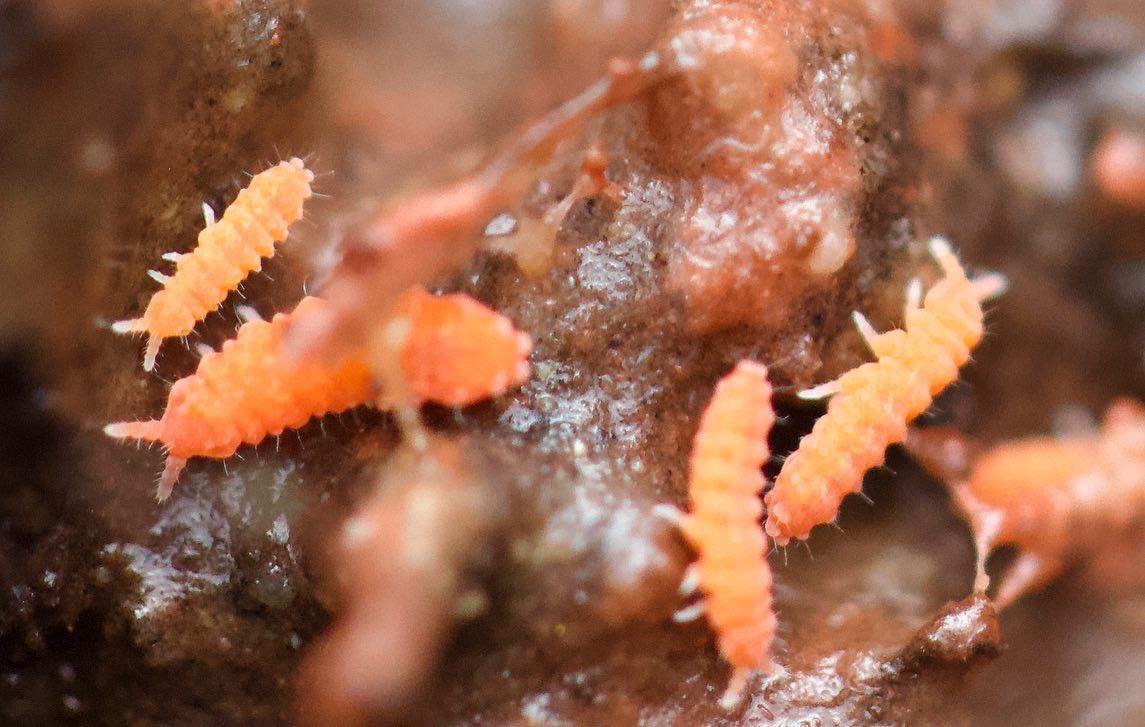
- Soil and substrate dwelling — spends most of its time working through the upper substrate layers rather than running across surfaces; when food is added, they swarm it visibly, which is genuinely entertaining to watch
- Prolific reproduction — despite their relaxed pace, colonies grow quickly under appropriate conditions; a well-established Florida Orange culture maintains itself reliably with minimal input
- Native US species — collected originally from the humid subtropical forests of Florida; naturally suited to the warm, moist conditions that tropical vivariums replicate
A Note on Taxonomy
Neanura growae is the name under which this species has been sold and kept in the hobby for years, and it remains the most widely recognised name for this animal among keepers and suppliers. Some recent work by collembologists suggests the culture in circulation may actually represent Yuukianura aphoruroides — a related species collected from a naturalised Florida population — though this reclassification is still being worked through in the hobby and scientific literature.
We sell this culture honestly under the name most buyers will recognise — Neanura growae — while flagging the ongoing taxonomic discussion for keepers who like to stay current. The animal in the culture, its appearance, care requirements, and performance in a vivarium are consistent regardless of where the science ultimately lands on the name.
What They Do in Your Vivarium
Florida Oranges are detritivores — they eat the things that cause problems in a bioactive enclosure if left unchecked. In practice that means:
- Mold control — feeds on fungal hyphae and mold spores throughout the substrate; particularly effective in the warm, moist substrate layers where mold pressure originates
- Organic waste processing — decaying leaf matter, uneaten food, animal waste, and shed skin all get processed as part of the colony’s normal feeding activity
- Nutrient cycling — their feeding converts organic waste back into usable soil nutrients, supporting the microbial balance and plant health of a living bioactive substrate
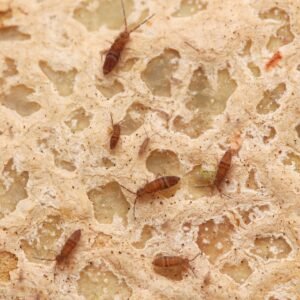
- Feeding time spectacle — when food is added to the culture or enclosure, Florida Oranges swarm it visibly; watching a cluster of warm orange bodies converging on a flake of fish food is one of the small pleasures of keeping this species
They’re not the fastest cleanup crew in the range. But they’re consistent, visible, colourful, and genuinely enjoyable to have in an enclosure — which counts for a lot.
As a Live Feeder
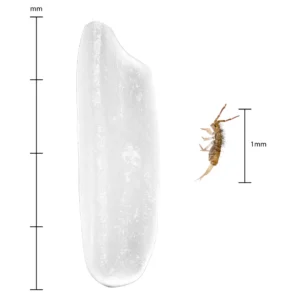
Because they grow to be big and colorful, Florida Orange springtails make an excellent source of food for smaller species like dart frogs. Their slow movement and non-jumping behaviour actually works in their favour here — they’re easier for smaller predators to track, target, and catch than fast-moving or jumping species. They are slightly larger than Yuukianura aphoruroides, the other orange springtail most common in the hobby — making them a more substantial feeder prey item where size matters.
Who Is This For?
- Tropical vivarium builders who want a colourful, visible cleanup crew member that actually shows up in the display rather than hiding in the substrate all day
- Dart frog keepers — a reliable, appropriately sized, and visually stimulating live feeder that self-replenishes once established in a warm vivarium
- Bioactive beginners — straightforward to keep, hardy, forgiving, and rewarding; the Florida Orange is one of the best coloured springtails to start with
- Observational keepers who enjoy watching their microfauna; the slow movement and feeding swarm behaviour of N. growae makes it one of the most watchable springtail species in the hobby
- Aesthetic vivarium builders who want warm orange tones in the substrate layer to complement planted, litter-rich, or naturalistic tropical builds
- Multi-species collectors who want a native US species with a documented natural origin alongside their exotic and rare cultures
Care Level: Beginner. Hardy, adaptable, and forgiving. Florida Oranges thrive in the warm, moist conditions that most tropical vivariums already provide — no specialist requirements, no unusual substrate demands. Just keep them warm and damp and they’ll do the rest.
Care & Housing Requirements
| Parameter | Recommended Range |
|---|---|
| Temperature | 70–85°F (21–29°C) — comfortable across a wide tropical range |
| Humidity | High — damp soil with rotting wood; moist but not waterlogged |
| Substrate | Rich moist organic soil; spends most time inside the substrate |
| Diet | Tropical fish flakes, brewer’s yeast, zucchini, decaying plant matter |
| Enclosure | Secure-lidded container; non-jumping so escape risk is lower than most |
| Care Level | Beginner |
One thing worth knowing: Florida Oranges are sensitive to bright light and prefer the dim, shaded microhabitats of deeper substrate layers. They’re most active at feeding time and in lower light conditions — which makes them ideal for the shaded floor zones of a planted vivarium where most other springtail species are least visible.
What’s Included
Each culture contains approximately 50 live Neanura growae Florida Orange springtails — adults and juveniles — raised in-house at Springtails Culture on moist organic soil substrate and shipped with our live arrival guarantee.
Pair It Right
Florida Oranges work the substrate layer — pair them with a surface-active species like Coecobrya tenebricosa (Tropical Pink Large Form) or Ceratophysella sp. “Lilac” for complete above-and-below cleanup coverage. Add Tropical White (Collembola sp.) for deep-soil mold control and you’ve got a three-species tropical crew covering every layer of your enclosure, with colour running from white through orange to pink or lilac depending on your preference.
Shipping & Live Arrival Guarantee
All cultures are packed with care and monitored for temperature throughout transit. Your Florida Oranges will arrive alive and active on moist organic substrate, ready to settle into their new home.
Please note: Quantities are estimated counts. Cultures may vary slightly in number. All sales are final — please review our Refund & Returns Policy before purchasing.
| Weight | 0.5 lbs |
|---|---|
| Species | Neanura growae |
| Type | Tropical |
| Colour | Orange |
| Origin | South Florida, USA |
| Difficulty | Beginner–Mid |
| Temperature | 23–27°C |
| Humidity | High (75–90%) |
| Use | Cleanup crew / feeder |
| Substrate | Damp soil with rotting wood |
| Live arrival | Guaranteed |
| Care sheet | Included |
| quantity | 100 springtails, 1000 springtails, 150 springtails, 200 springtails, 250 springtails, 50 springtails, 500 springtails |
Be the first to review “Florida Orange Springtails | Neanura growae Springtail Culture | Native US Tropical Bioactive Species”
Related products
Rare and Exotic Springtails
Temperate Springtails
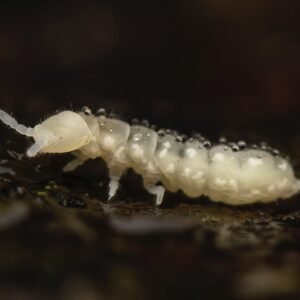
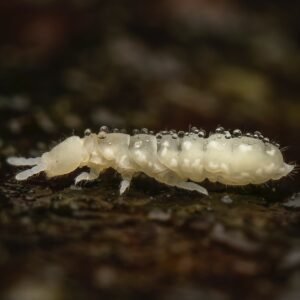
Folsomia candida White Springtail Culture | Temperate Cleanup Crew for Terrariums & Bioactive Setups
Rare and Exotic Springtails
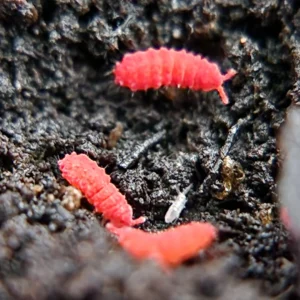
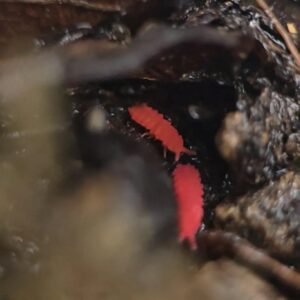
Thai Red Springtails | Lobella cf. sp. Thai Red Springtail Culture | Ultra Rare Collector Species
Tropical Springtails
Yuukianura aphoruroides – Tropical Orange Springtail Culture — Asian Bioactive Substrate Kit
Tropical Springtails
Rare and Exotic Springtails
Rare and Exotic Springtails
Tropical Springtails
Collembola sp. Tropical Yellow Springtails — Prolific Tropical Bioactive Substrate Kit
Reviews
There are no reviews yet.