
Sminthurus viridis — Lucerne Flea Culture | Globular Springtail for Decaying Matter Terrariums

Price range: $35.00 through $460.00
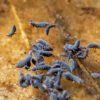
Buy Sminthurus viridis — the Lucerne Flea — a globular, bright green springtail species and standout addition to any decaying matter terrarium cleanup crew.
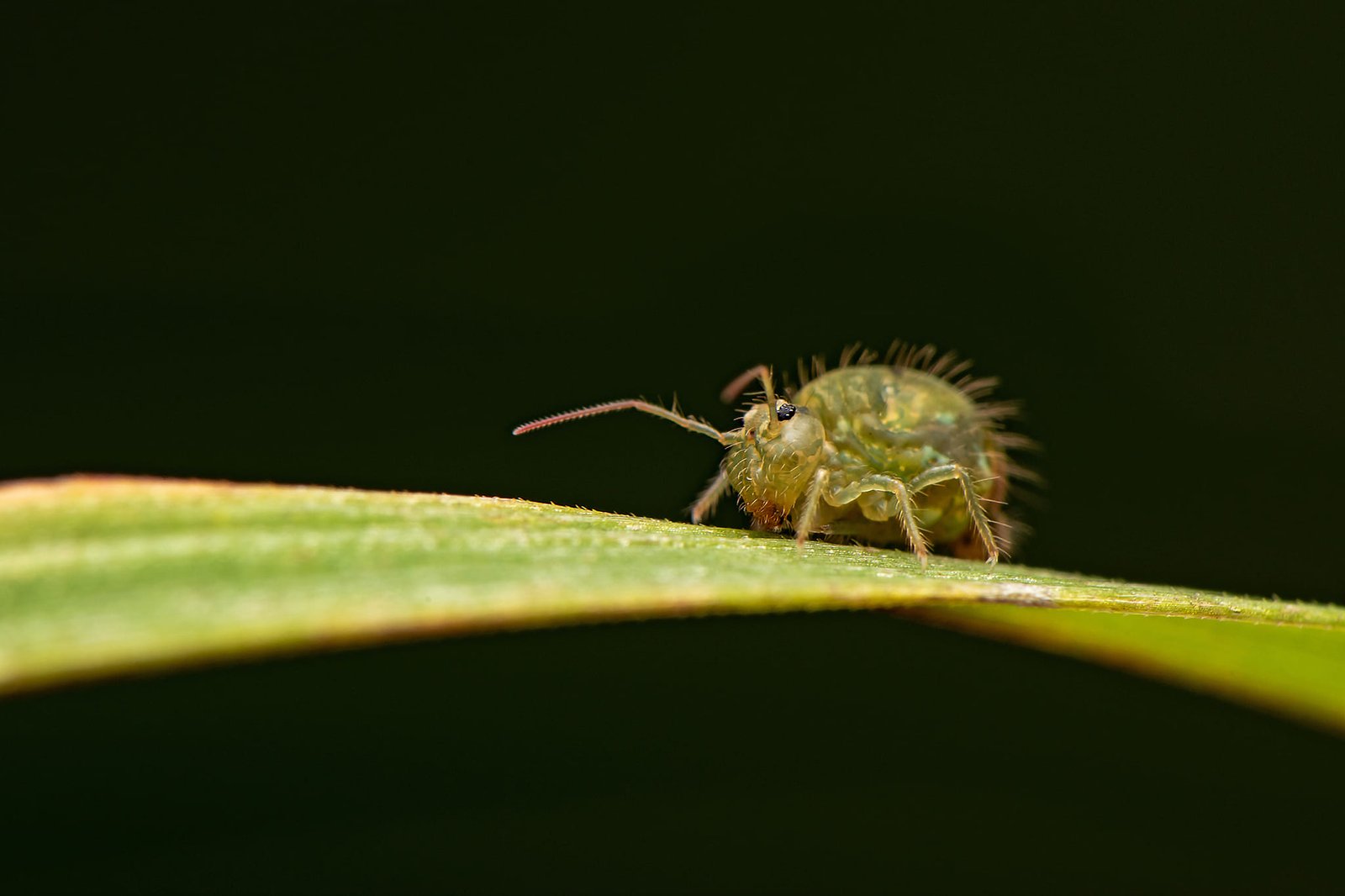
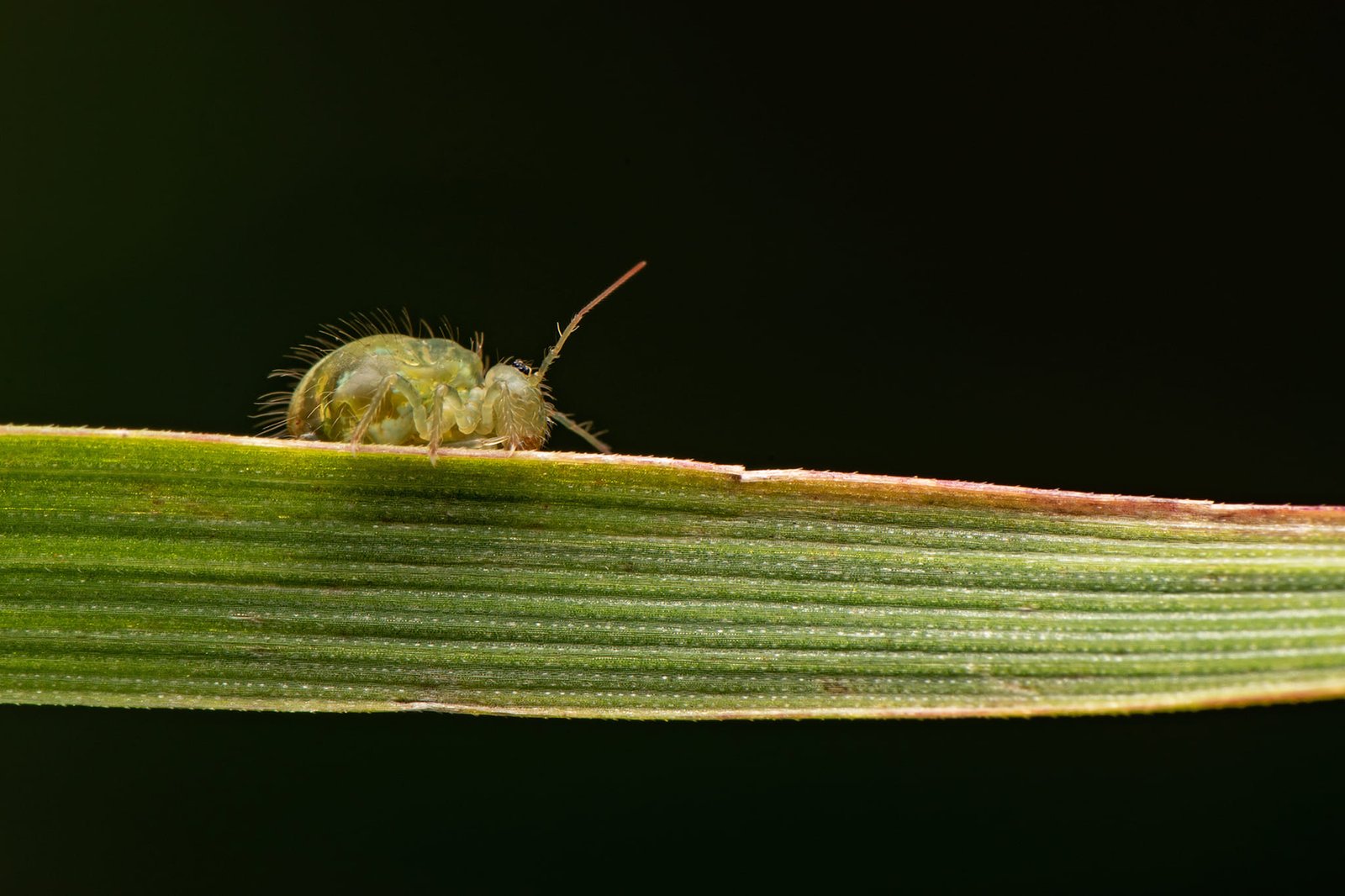
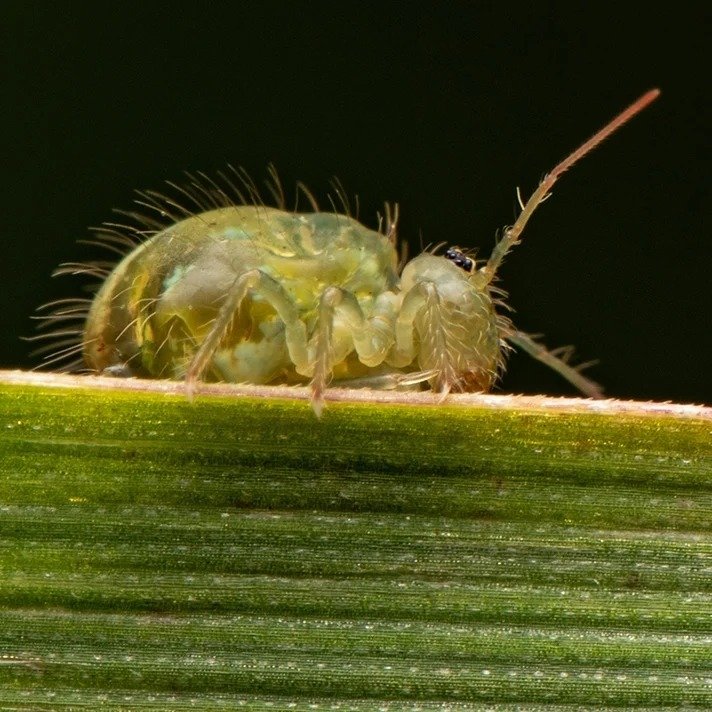
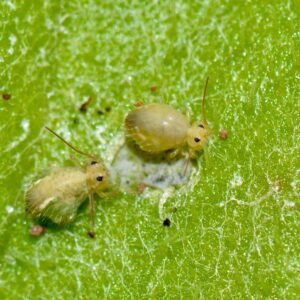
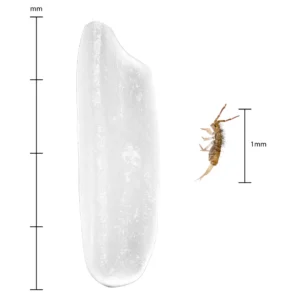
With a completely round Sminthuridae body form up to 3mm, classic patchy bright green colouration, and active litter-layer foraging behaviour, S. viridis brings real functional and visual diversity to setups dominated by elongated white springtail species.
Pairs perfectly with Folsomia candida to cover every substrate zone.
Beginner-friendly, broadly adaptable, and raised in-house with a live arrival guarantee.
Select your quantity below.
Sminthurus viridis — Lucerne Flea Culture | Globular Springtail for Decaying Matter Terrariums
Most springtails in the hobby are elongated. Sminthurus viridis is not.
Known widely as the Lucerne Flea; a nickname that wildly undersells what this animal actually is – S. viridis belongs to the Sminthuridae family, one of the most visually and biologically distinct springtail groups in existence.
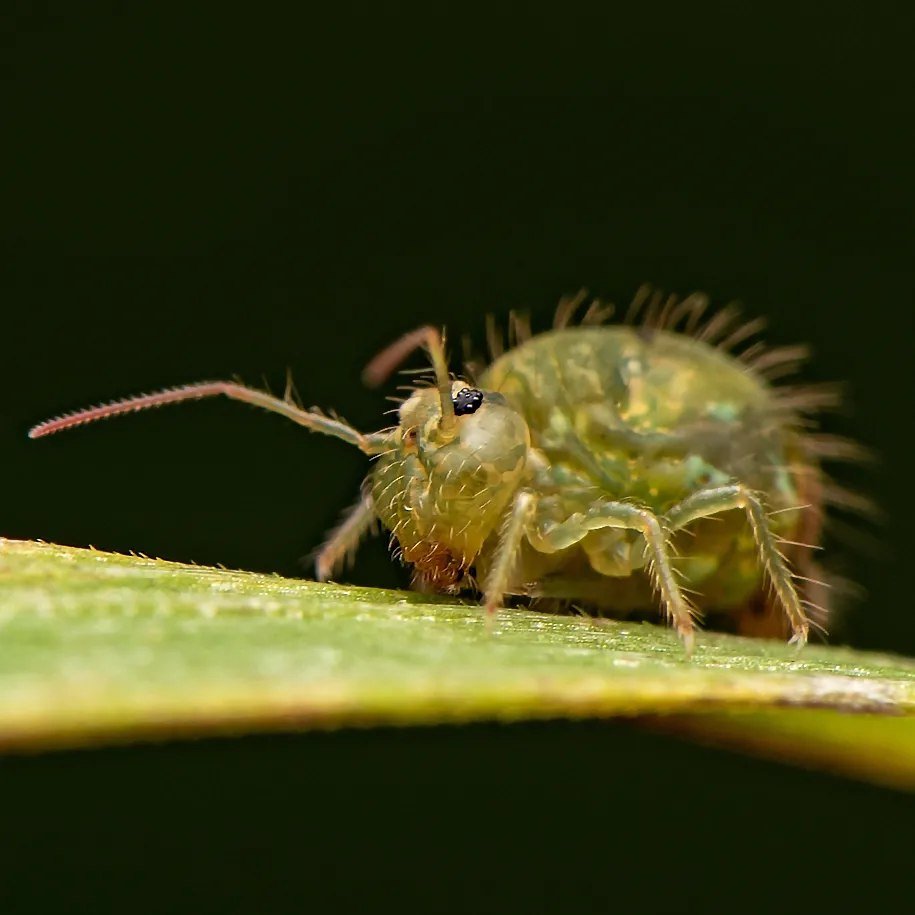
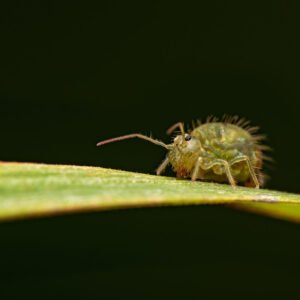
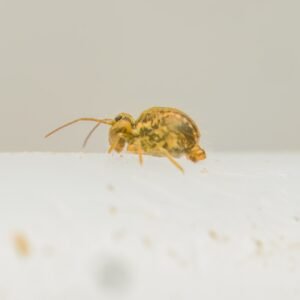
Where common springtails are slender and subtle, S. viridis is round, compact, and unmistakably globular; a tiny bright green sphere rolling through the litter layer of your terrarium with the confidence of an animal that knows it looks unlike anything else in the enclosure.
This is a species that brings genuine diversity to a cleanup crew; visually, functionally, and ecologically.
And in a hobby where most cultures look identical at a glance, that diversity matters.
What Is Sminthurus viridis?
Sminthurus viridis — the Lucerne Flea or Clover Springtail is a globally distributed Collembola species originating from Eurasia, particularly Europe.
It belongs to the Sminthuridae, a family of globular springtails found in surface litter layers, on low vegetation, and across the humid floor layers of temperate and subtropical ecosystems worldwide.
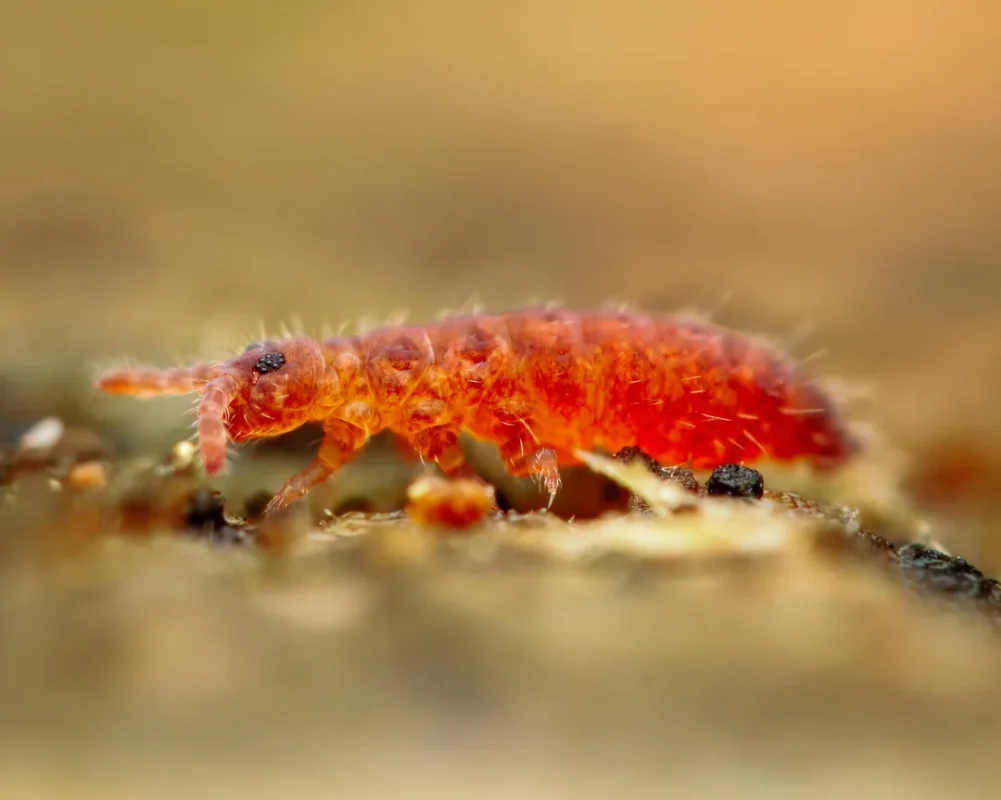
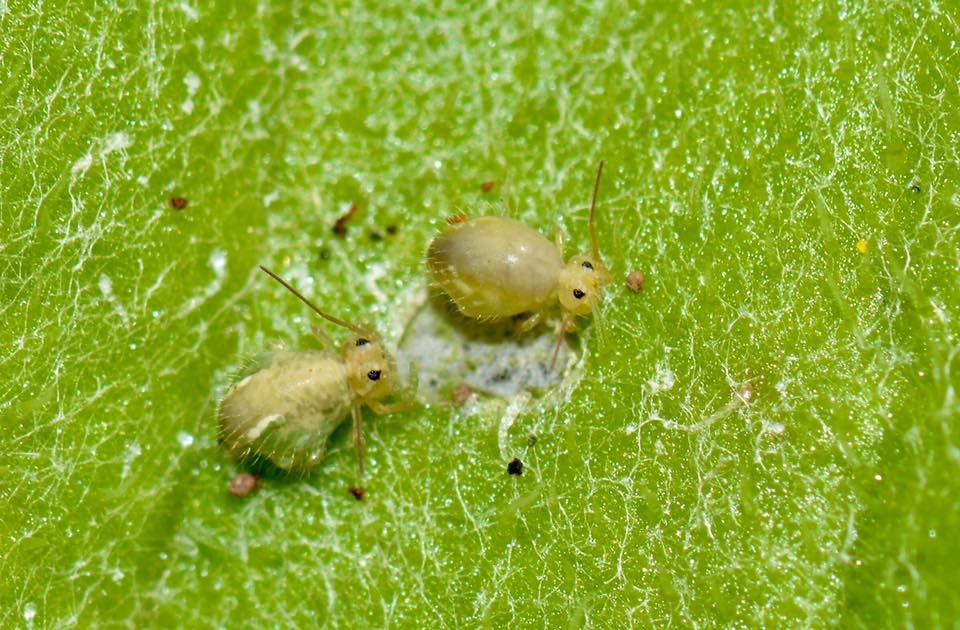
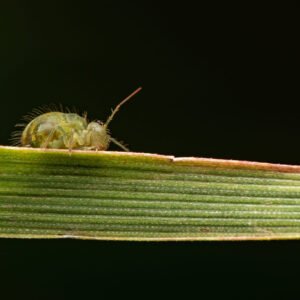
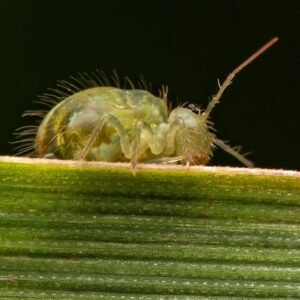
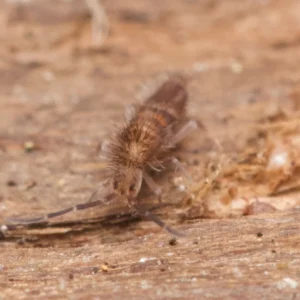
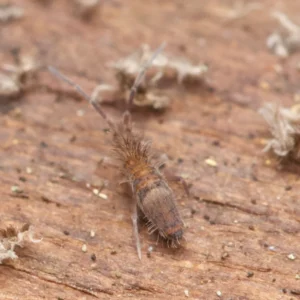
Their patchy bright green colouration, compact round body up to 3mm in length, and active jumping behaviour make them one of the most immediately recognisable springtail species available in culture.
Despite the “flea” in their common name, S. viridis is not a flea and not remotely related to one.
The name is simply a reference to their impressive jumping ability and small size both of which make them a lively, active, and engaging presence in any decaying matter terrarium.
What Makes This Species Stand Out
- Classic patchy bright green colouration — the definitive viridis appearance; vivid and immediately visible against dark substrate, rotting wood, and leaf litter
- Globular Sminthuridae body form — completely round and compact, unlike any elongated species in the hobby and visually distinct even to the casual observer
- Up to 3mm body size — a fairly large Collembola species, meaning the green colouration is genuinely visible to the naked eye in a terrarium setting
- Active jumper — a well-developed furcula gives S. viridis impressive leaping ability; lively and energetic in a way that adds movement and dynamism to a setup
- Surface and litter-layer active — found navigating the upper substrate, leaf litter, and low vegetation surfaces where they are easiest to observe
- Broad ecological range — one of the most widely distributed springtail species on Earth, found across Europe, the Americas, Southern Australia, New Zealand, and South Africa; proven to adapt across a wide range of terrarium conditions
- Outstanding cleanup crew diversity — functionally and visually distinct from elongated species like Folsomia candida, making them the ideal complement in a multi-species cleanup crew
The Case for Cleanup Crew Diversity
The best bioactive terrariums don’t run on a single springtail species. That is; they run on a community of springtails that cover different body sizes, substrate layers, feeding behaviours, and ecological niches.
S. viridis fills a role in this community that no elongated species can:
- Litter layer and surface foraging — S. viridis navigates the upper visible zones of the substrate, leaf litter, and decaying surface material where many soil-dwelling species don’t venture
- Decaying matter specialists — feeding on decaying plant material, mold, fungi, algae, and microbial growth across the substrate surface and litter layer
- Visible green contrast — their bright green colouration against dark substrate provides an aesthetic contrast that no white or brown cleanup crew member can offer
- Pairs perfectly with Folsomia candida — while F. candida works deep in the soil, S. viridis covers the surface and litter layer, creating a complete two-species cleanup system that covers every zone of a decaying matter terrarium
For hobbyists building decaying matter terrariums — setups rich in leaf litter, rotting wood, bark pieces, and deep organic substrate — S. viridis is a standout choice that combines functional diversity with genuine visual interest.
Who Is This Species For?
- Decaying matter terrarium builders who want a surface and litter-layer specialist to complement their existing soil-dwelling springtail cultures
- Multi-species collectors building a diverse, ecologically layered cleanup crew with genuine functional breadth
- Hobbyists who appreciate Sminthuridae — the globular body form is a completely different experience from any elongated species and rewards close observation
- Planted terrarium keepers — the bright green colouration blends naturally with plant life while remaining visible against darker substrate
- Aesthetic builders who want green microfauna to complement their planted, moss-rich, or forest floor setups
- Educators and naturalists — S. viridis is one of the most scientifically documented springtail species in the world, with a rich biological history that makes it fascinating for keepers who enjoy understanding their animals
Care & Housing Requirements
| Parameter | Recommended Range |
|---|---|
| Temperature | Adaptable — performs well across a wide range of terrarium temperatures |
| Humidity | Moderate to high — damp substrate with leaf litter and surface organic material |
| Substrate | Organic soil with leaf litter, rotting wood, and surface decaying matter |
| Diet | Decaying plant matter, mold, fungi, algae, brewer’s yeast, springtail food |
| Enclosure | Secure-lidded container with ventilation — active jumpers |
| Care Level | Beginner–Intermediate |
S. viridis is one of the most ecologically adaptable springtail species available, having successfully colonised environments from cool temperate European woodlands to subtropical Australian pastures.
In terrarium conditions, this translates to a resilient, forgiving species that establishes readily and maintains a self-sustaining colony with minimal intervention.
What’s Included
Each culture contains approximately 50 Sminthurus viridis springtails, including adults and juveniles, raised in-house at Springtails Culture and shipped with our live arrival guarantee.
Select your preferred quantity at checkout.
All cultures are active, counted by estimation, and packed with care.
The Complete Decaying Matter Cleanup Crew
Pair Sminthurus viridis with Folsomia candida (Temperate White Springtails) for a fully layered bioactive cleanup system.
F. candida works deep in the soil layer, breaking down organic material and suppressing mold below the surface.
S. viridis covers the surface and litter layer above navigating leaf litter, bark, and decaying surface material with their bright green globular bodies clearly visible.
Together they cover every zone of a decaying matter terrarium, creating a genuinely complete, self-sustaining decomposition ecosystem with real visual diversity at every level.
Shipping & Live Arrival Guarantee
All active cultures from Springtails Culture are carefully packed and monitored throughout transit.
We track destination temperatures and weather conditions before every shipment to ensure your S. viridis cultures arrive alive, active, and ready to establish.
Please note: Quantities are estimated counts. Cultures may vary slightly in number. All sales are final — please review our Refund & Returns Policy before purchasing.
| Weight | 0.5 lbs |
|---|---|
| Species | Sminthurus viridis |
| Common Name | Lucerne Flea |
| Type | Temperate & Rare |
| Difficulty | Intermediate |
| Temperature | 15–22°C (59–72°F) |
| Humidity | Moderate (55–75%) |
| Use | Cleanup crew / display species |
| Substrate | Decaying leaf litter, dead wood, organic-rich substrate |
| Live Arrival | Guaranteed |
| Care Sheet | Included |
| Note | Avoid with delicate live plants — prefers decaying matter |
| quantity | 100 springtails, 1000 springtails, 150 springtails, 200 springtails, 250 springtails, 50 springtails, 500 springtails |
Be the first to review “Sminthurus viridis — Lucerne Flea Culture | Globular Springtail for Decaying Matter Terrariums”
Related products
Temperate Springtails
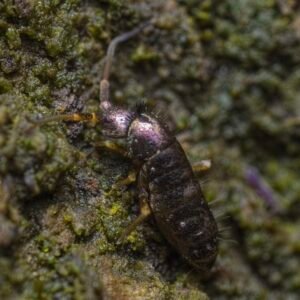
Tomocerus minor | Large Temperate Springtail Culture | Woodland Leaf Litter Processor
Rare and Exotic Springtails
Rare and Exotic Springtails

Rare and Exotic Springtails
Temperate Springtails
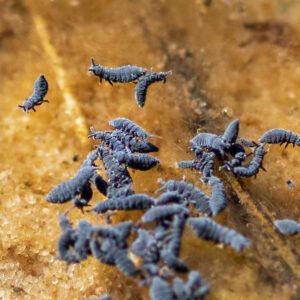
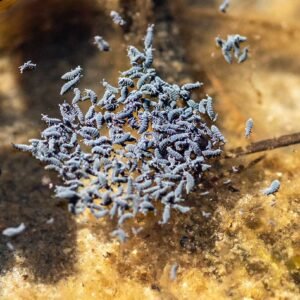
Hypogastrura vernalis | Spring Springtail Culture | Cool Damp Compost Terrarium Springtails
Rare and Exotic Springtails
Temperate Springtails
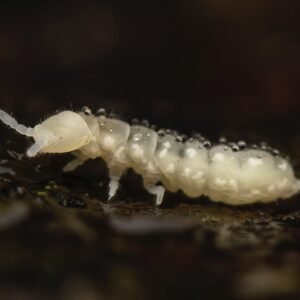
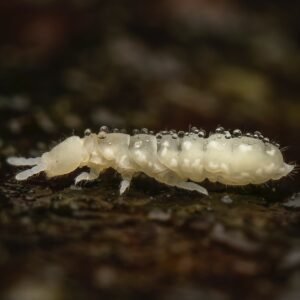
Folsomia candida White Springtail Culture | Temperate Cleanup Crew for Terrariums & Bioactive Setups
Temperate Springtails
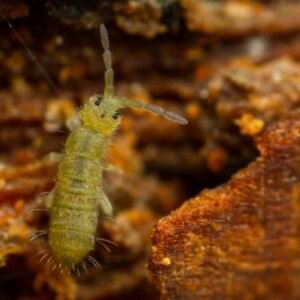
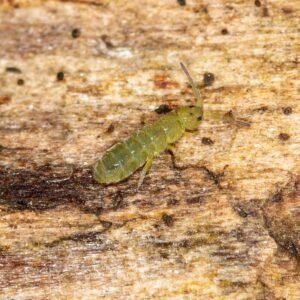
Isotoma viridis Green Springtail Culture | Cool-Climate Springtails for Moss Terrariums
Reviews
There are no reviews yet.