
Tropical Pink Springtails | Coecobrya cf. tenebricosa Springtail Culture | Bioactive Microfauna for Vivariums
Price range: $25.00 through $350.00
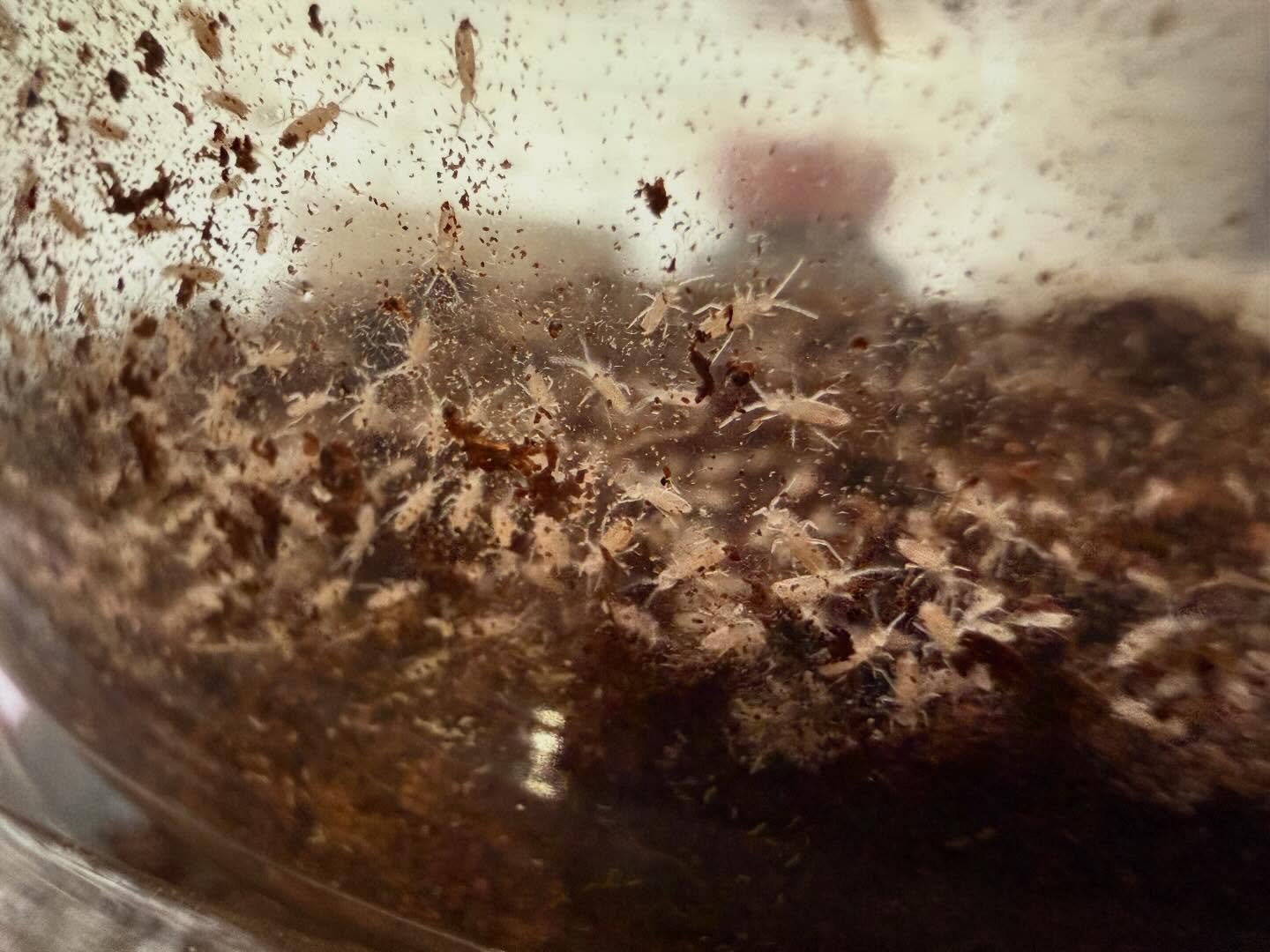
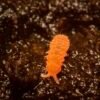
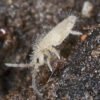
Buy Coecobrya cf. tenebricosa – Tropical Pink Springtails, standard form.
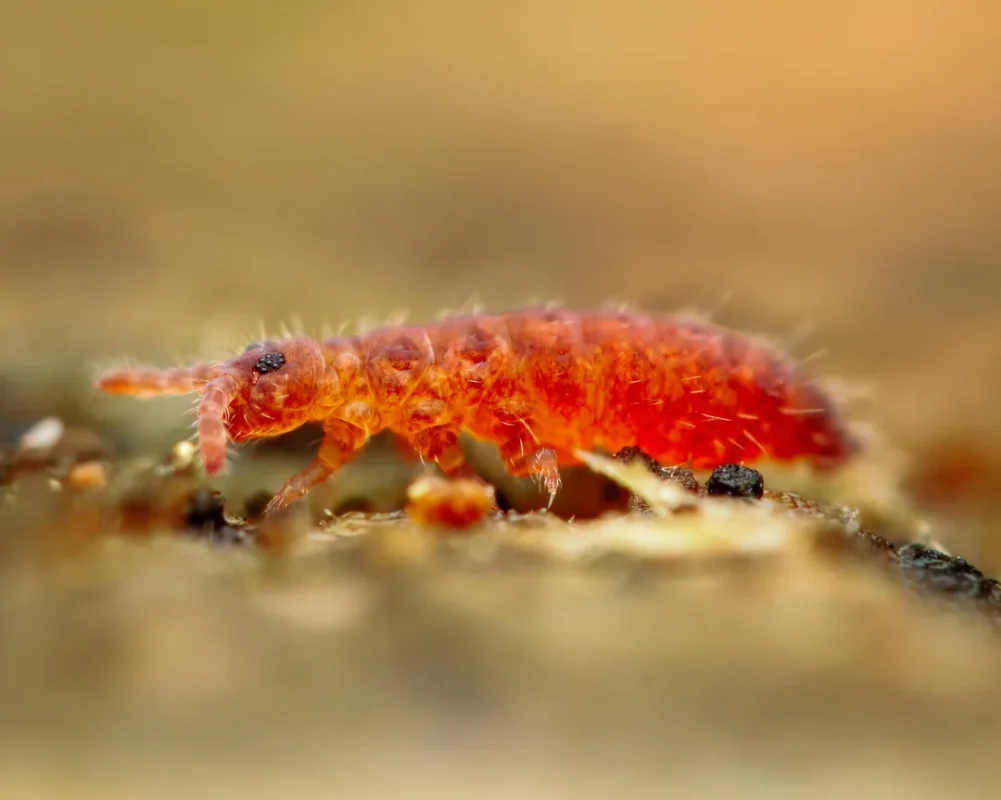
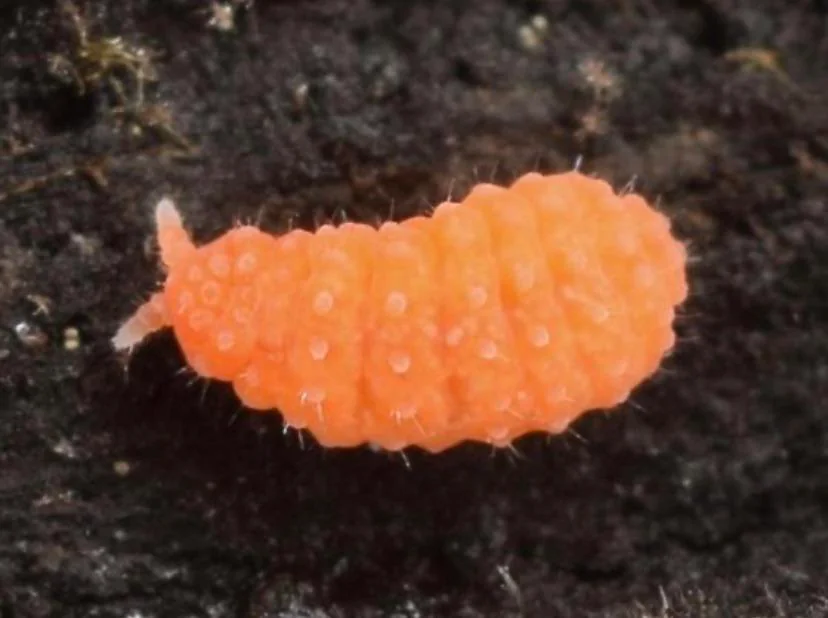
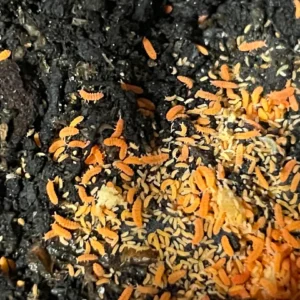
Smaller and more fine-bodied than the Large Form, with a soft delicate pink colouration that works beautifully in planted vivariums, dart frog enclosures, and smaller tropical builds.
Fast-reproducing, wide-tolerance, and equally effective as a bioactive cleanup crew and live feeder for froglets, juvenile reptiles, and micro-insectivores.
Beginner-friendly and one of the most straightforward tropical cultures in the range to establish.
Raised in-house and shipped with a live arrival guarantee.
Select your quantity below.
Tropical Pink Springtails Culture — Bioactive Microfauna (Coecobrya cf. tenebricosa)
If you’ve been looking for a tropical springtail that just works, one that settles into your vivarium quickly, keeps mold under control without fuss, and adds a soft wash of colour to the substrate layer while it does then, this is it.
Coecobrya cf. tenebricosa is the standard pink form of one of the most reliable tropical springtail species in the hobby.
Smaller and more fine-bodied than our Large Form (Coecobrya tenebricosa), with a softer, more delicate pink colouration, this culture slots naturally into planted vivariums, dart frog enclosures, and tropical bioactive builds of any size.
It doesn’t demand anything unusual from you. It just establishes, reproduces, and gets to work.
🩷Standard Pink vs Large Form — Which One Do You Need?
We sell two pink Coecobrya cultures and the difference between them is real and worth understanding before you choose:
| Tropical Pink (cf. tenebricosa) | Tropical Pink Large Form (tenebricosa) | |
|---|---|---|
| Body size | Smaller, more fine and delicate | Noticeably larger and more robust |
| Pink tone | Soft, subtle, warm pink | Deeper, more saturated pink |
| Best enclosure | Smaller vivariums, finely planted builds | Larger enclosures, high-volume setups |
| Feeder suitability | Froglets, juveniles, micro-insectivores | Adult dart frogs, larger tropical predators |
| Mold coverage | Excellent in smaller substrate zones | Greater per-animal impact across large areas |
they both optimised for different setups.
If your enclosure is smaller, more intricately planted, or if you’re housing juvenile animals that need finer-sized feeders, the standard pink form is the right choice. If you’re working at a larger scale, go Large Form.
What They Actually Do in Your Vivarium
Coecobrya cf. tenebricosa is a surface-active tropical detritivore which in practical terms means it spends its time moving across the substrate, litter layer, and plant surfaces consuming the things you don’t want building up in your enclosure:
- Mold — feeds on fungal spores and hyphae before colonies can establish and spread across the substrate surface
- Decaying organic matter — leaf litter, dead plant tissue, uneaten food, shed skin; all processed continuously as part of the colony’s normal feeding activity
- Bacterial biofilm — grazes bacterial and algal films across substrate surfaces, keeping the microbial balance of the enclosure in check
- Nutrient cycling — their feeding activity converts raw organic waste back into usable soil nutrients, which feeds your plants and maintains the living substrate that makes bioactive enclosures work
They’re not showy about it. They just quietly get on with the job — which is exactly what a good cleanup crew should do.
As a Live Feeder
The soft pink colour and small body size of Coecobrya cf. tenebricosa make it particularly well suited as a live feeder for:
- Dart froglets and juveniles — small enough to be appropriate prey for younger animals that the Large Form might be too big for
- Micro-chameleons and small geckos — fine body size matches the prey requirements of smaller tropical insectivores
- Juvenile reptiles — appropriate prey size for hatchlings and juveniles that need small, live, moving food
- Small fish and aquatic micro-predators — works well in paludariums where springtails reach water surface zones
Once established in a warm vivarium, the colony reproduces continuously giving you a self-replenishing live food supply that never needs reordering as long as conditions remain appropriate.
Who Is This For?
- Planted vivarium builders who want a soft pink tropical springtail that slots into a finely detailed build without overwhelming smaller plant zones with large-bodied animals
- Dart frog keepers housing juveniles and froglets — the size is right, the colour is stimulating, and the colony self-replenishes
- Tropical vivarium builders at any level — this is one of the most forgiving and straightforward tropical springtail cultures you can add to a warm, humid setup
- Keepers who already have the Large Form and want the standard form to cover smaller microhabitats and finer substrate zones in the same collection
- First-time tropical springtail keepers — wide tolerance, fast establishment, minimal care requirements; a genuinely good starting point for anyone new to tropical bioactive setups
Care Level: Beginner. Set it up warm and humid, add a little food now and then, and it does the rest. One of the easiest tropical cultures in the range to establish and maintain.
Care & Housing Requirements
| Parameter | Recommended Range |
|---|---|
| Temperature | 72–80°F (22–27°C) |
| Humidity | High — 60–80%; consistently moist substrate |
| Substrate | Organic soil, coco fibre, leaf litter, or sphagnum moss |
| Diet | Brewer’s yeast, tropical fish flakes, decaying plant matter |
| Enclosure | Secure-lidded container with ventilation |
| Care Level | Beginner |
One thing to watch: Don’t overfeed. A little food regularly is far better than a lot at once as excess food in a warm, sealed culture can lead to conditions that crash a colony faster than you’d expect. A light weekly feeding is enough for a healthy, growing culture.
Seeding tip: Add your Coecobrya cf. tenebricosa to a new vivarium 3–5 weeks before introducing animals. Giving the colony time to establish before the organic load of live animals arrives makes for a much more stable bioactive system from the start.
What’s Included
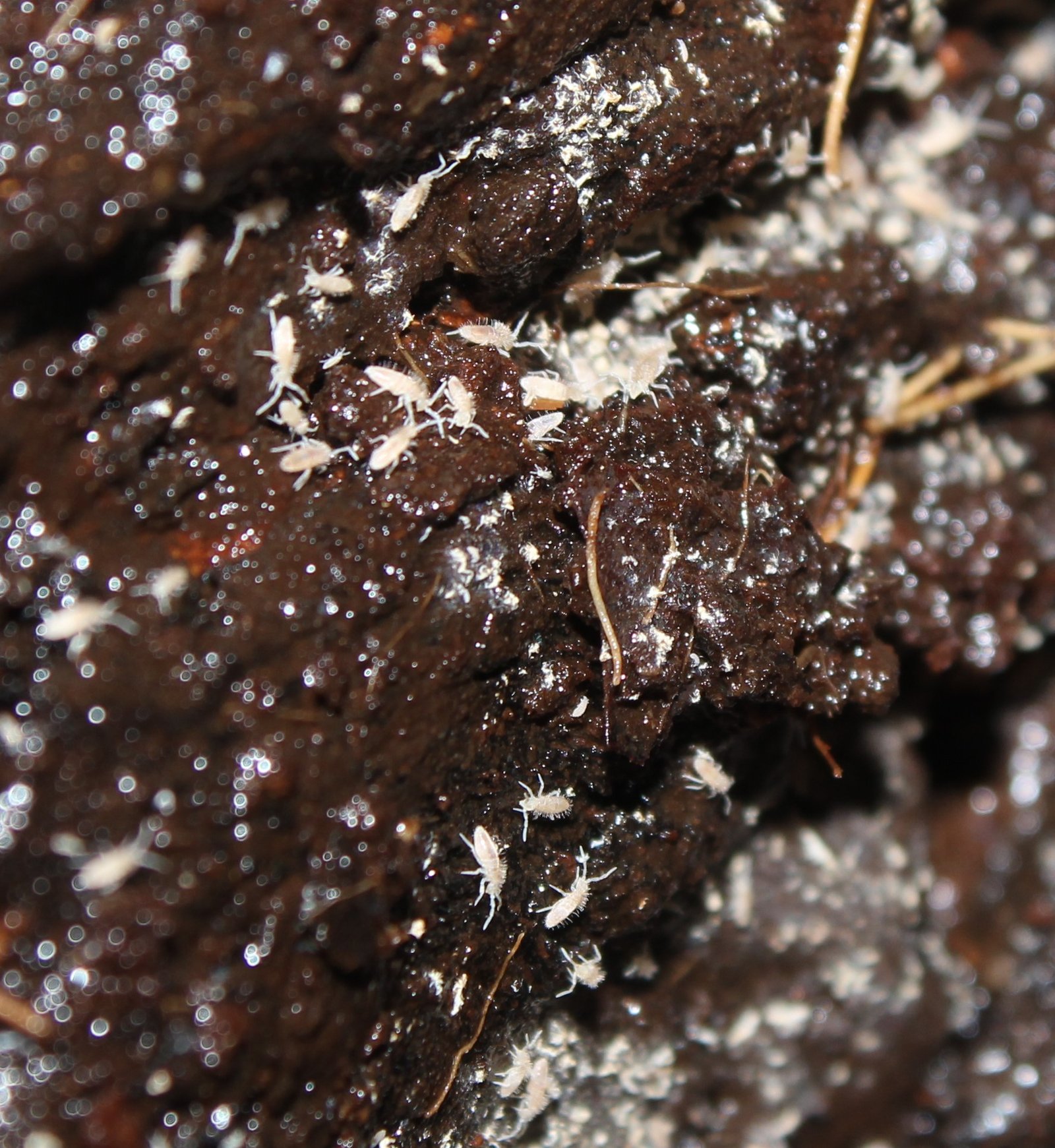
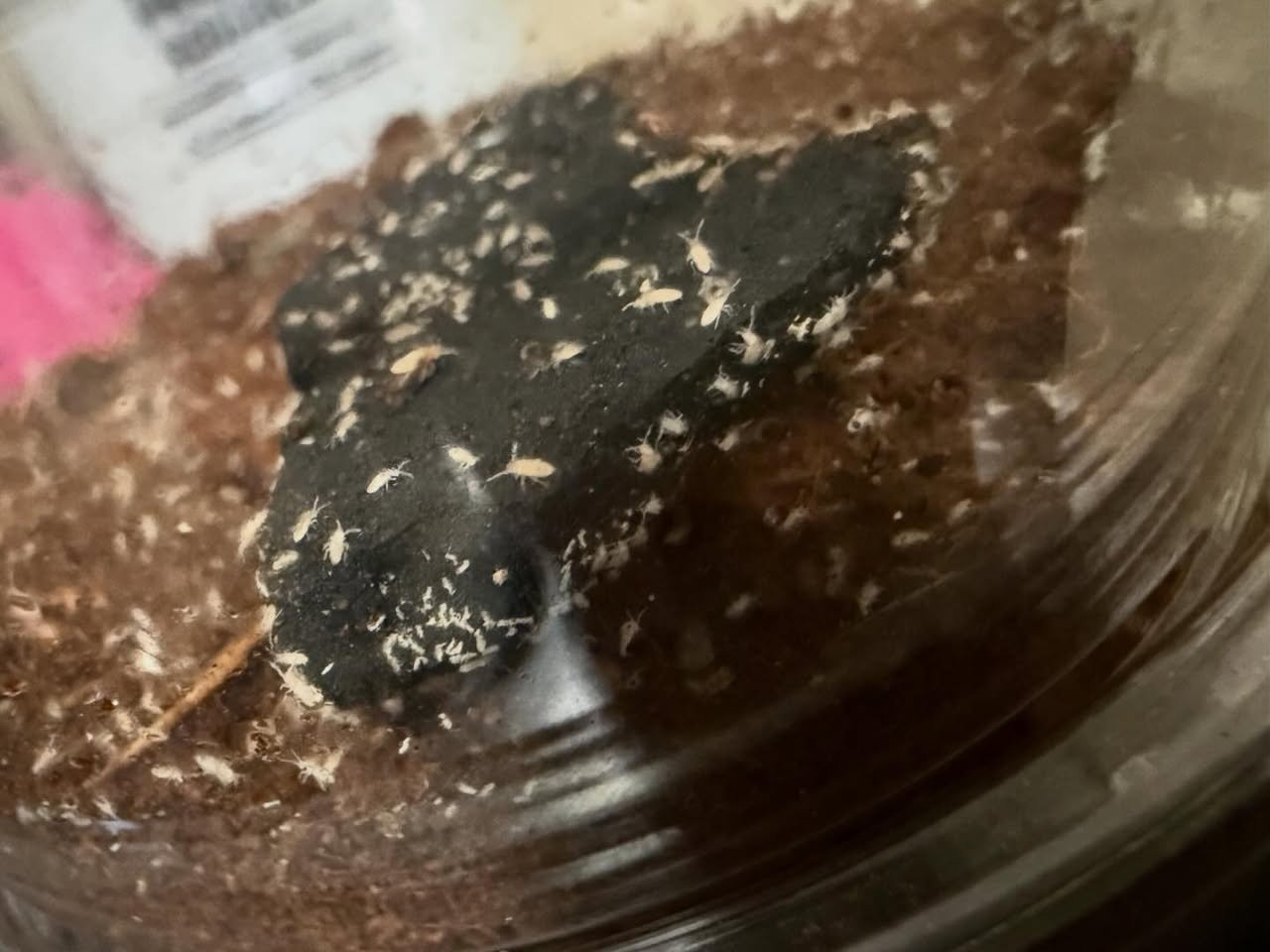
Each culture contains approximately 50 Coecobrya cf. tenebricosa springtails both adults and juveniles with the characteristic soft pink colouration raised in-house at Springtails Culture on organic substrate and shipped with our live arrival guarantee.
| Quantity | Best For |
|---|---|
| 50 springtails | Single tropical vivarium or starter culture |
| 100 springtails | 1–2 planted or dart frog enclosures |
| 150 springtails | Medium builds or pairing with Large Form for size range coverage |
| 200 springtails | Multiple enclosures or a complete tropical pink cleanup crew |
| 250 springtails | Larger vivariums or multi-tank keepers |
| 500 springtails | Breeders and feeder culture setups |
| 1,000 springtails | Wholesale supply — best value per springtail |
Pair It Right
For full tropical vivarium coverage, pair Coecobrya cf. tenebricosa with the Large Form for size range coverage across different zones of the same enclosure, and add Tropical White (Collembola sp.) for deep-soil mold control below the surface layer. If you want colour diversity in the substrate, bring in Ceratophysella sp. “Lilac” or Collembola sp. “Yellow” alongside four colours, four ecological roles, one self-sustaining tropical ecosystem.
Shipping & Live Arrival Guarantee
All cultures are carefully packed and monitored for temperature conditions throughout transit. Your Coecobrya cf. tenebricosa will arrive alive, active, and ready to get to work.
Please note: Quantities are estimated counts. Cultures may vary slightly in number. All sales are final — please review our Refund & Returns Policy before purchasing.
| Weight | 0.5 lbs |
|---|---|
| Species | Coecobrya cf. tenebricosa |
| Type | Tropical |
| Colour | Pink |
| Difficulty: | Beginner |
| Temperature | 23–29°C |
| Humidity | High (75–90%) |
| Use | Cleanup crew / feeder / collector |
| Substrate | Charcoal / clay / tropical mix |
| Live arrival | Guaranteed |
| Care sheet | Included |
| quantity | 100 springtails, 1000 springtails, 150 springtails, 200 springtails, 250 springtails, 50 springtails, 500 springtails |
Be the first to review “Tropical Pink Springtails | Coecobrya cf. tenebricosa Springtail Culture | Bioactive Microfauna for Vivariums”
Related products
Tropical Springtails
Rare and Exotic Springtails
Tropical Springtails
Temperate Springtails
Sinella curviseta – Pink Curved Springtail Culture — Planted Vivarium Bioactive Substrate Kit
Temperate Springtails
Folsomia candida White Springtail Culture | Temperate Cleanup Crew for Terrariums & Bioactive Setups
Rare and Exotic Springtails
Tropical Springtails
Lilac springtails Ceratophysella Culture — Tropical Purple Bioactive Cleanup Crew Substrate Kit
Rare and Exotic Springtails
Neanura growae – Florida Orange Springtail Culture — Native US Tropical Bioactive Substrate Kit
Reviews
There are no reviews yet.