
Ceratophysella sp. – Lilac Albino springtail mix Culture — Dual-Colour Tropical Bioactive Substrate Kit
Price range: $30.00 through $380.00
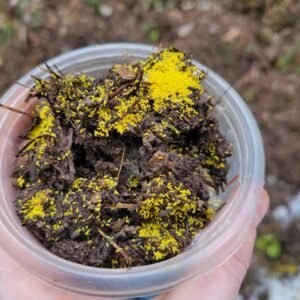
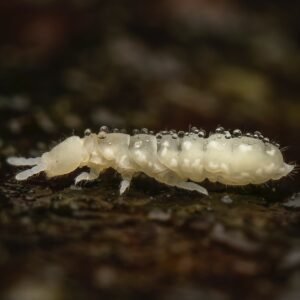
Buy Ceratophysella sp. Lilac Albino Mix — a dual-colour culture containing roughly equal numbers of lilac-purple wild type and vivid yellow albino morph in a single, self-sustaining colony.
Both colour expressions reproduce together naturally, maintaining the mix without any extra effort from you.
One culture, two colours, full Ceratophysella cleanup crew performance and one of the most visually dynamic substrate displays available in the tropical springtail hobby.
Beginner-friendly, prolific, and raised in-house with a live arrival guarantee.
From $30.00. Select your quantity below.
Lilac Albino springtail mix
Most springtail cultures give you one colour. This one gives you two — and then keeps generating both on its own.
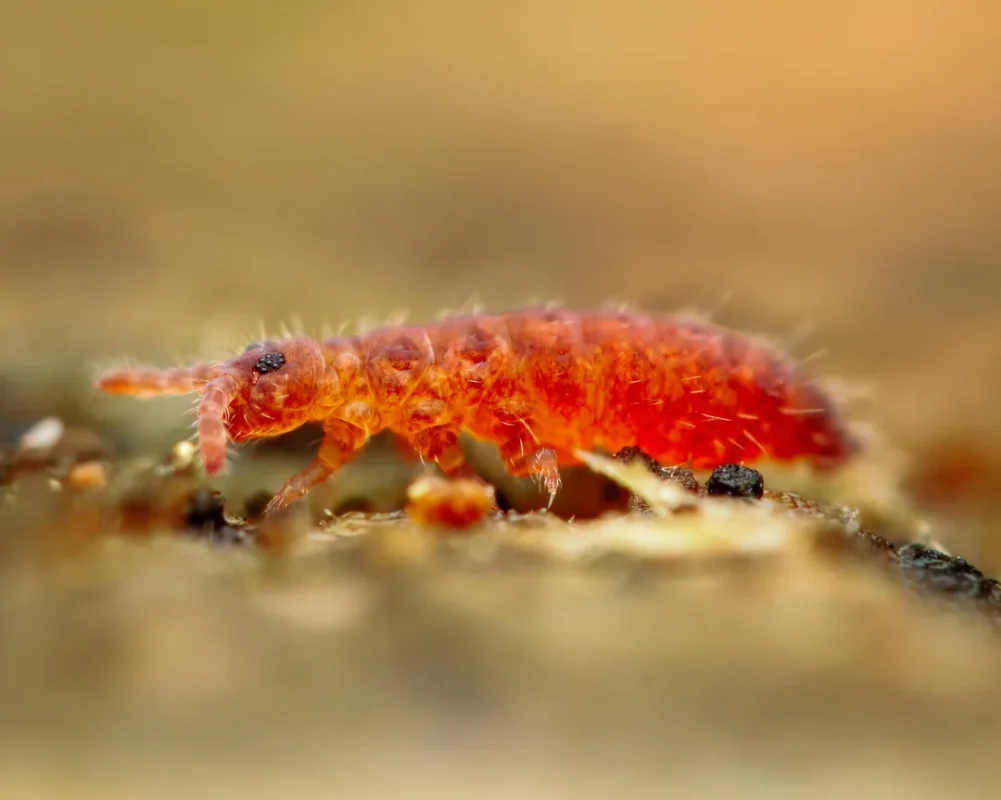
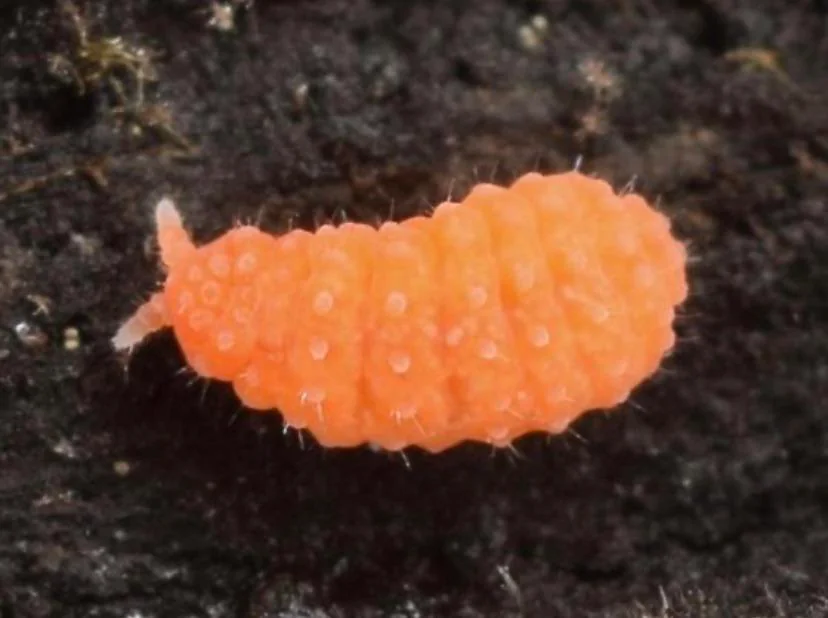
The Lilac Albino Mix is a living, self-sustaining dual-colour culture of Ceratophysella sp. containing roughly equal numbers of the lilac-purple wild type and the vivid yellow albino morph together in a single culture. Both colour expressions — the shifting purple shimmer of the Lilac and the bold, warm yellow of the Albino — share the same compact Ceratophysella body form, the same care requirements, the same prolific reproduction rate, and the same excellent cleanup crew performance. The only difference is colour. And in a bioactive vivarium, colour is everything.
This is the most visually interesting single springtail purchase you can make.
Two Colours, One Culture — How It Works
The yellow albino expression in Ceratophysella sp. is a naturally occurring genetic morph — individuals that lack the pigmentation of the wild type and express a vivid yellow body colour instead. In a mixed culture, both colour types reproduce and coexist, continuously generating both lilac and yellow offspring in roughly equal proportions. You’re not buying a static 50/50 split that gradually tilts toward one colour — you’re buying a living colony that naturally maintains both expressions as it grows.
In practical terms, this means:
- The mix is self-sustaining — both colour types reproduce reliably together; the culture doesn’t need to be topped up with either strain separately
- The ratio stays roughly balanced — under normal conditions, the genetic mix produces both colours in approximately equal numbers generation after generation
- The colony scales as one — both types have identical care requirements, thrive in the same conditions, and contribute equally to the cleanup crew function of the enclosure
- The visual effect in a vivarium is genuinely spectacular — lilac-purple and vivid yellow moving through dark substrate together creates a dual-colour living display that no single-colour culture can replicate
Why the Mix Works Better Than Buying Both Separately
You could buy the Lilac and the Yellow Albino cultures separately and combine them yourself. Here’s why the Mix is the better option:
- One purchase, one culture, both colours — simpler to manage, simpler to ship, and at the same price as the Lilac alone
- Already balanced and established — the colony arrives with both colour expressions actively reproducing together rather than needing time to integrate two separate cultures
- Less substrate, less space, less maintenance — one culture tub instead of two; same output, lower footprint
- Natural coexistence — both morphs originate from the same Ceratophysella line; they cohabit, breed, and reproduce together naturally without competition or imbalance
The only reason to buy them separately is if you specifically want to isolate one colour for a pure culture — which you can still do by removing individuals of one type from this mix over time.
What You’ll See in Your Vivarium
In a dark tropical substrate, the Lilac Albino Mix creates one of the most visually dynamic microfauna displays available in the hobby:
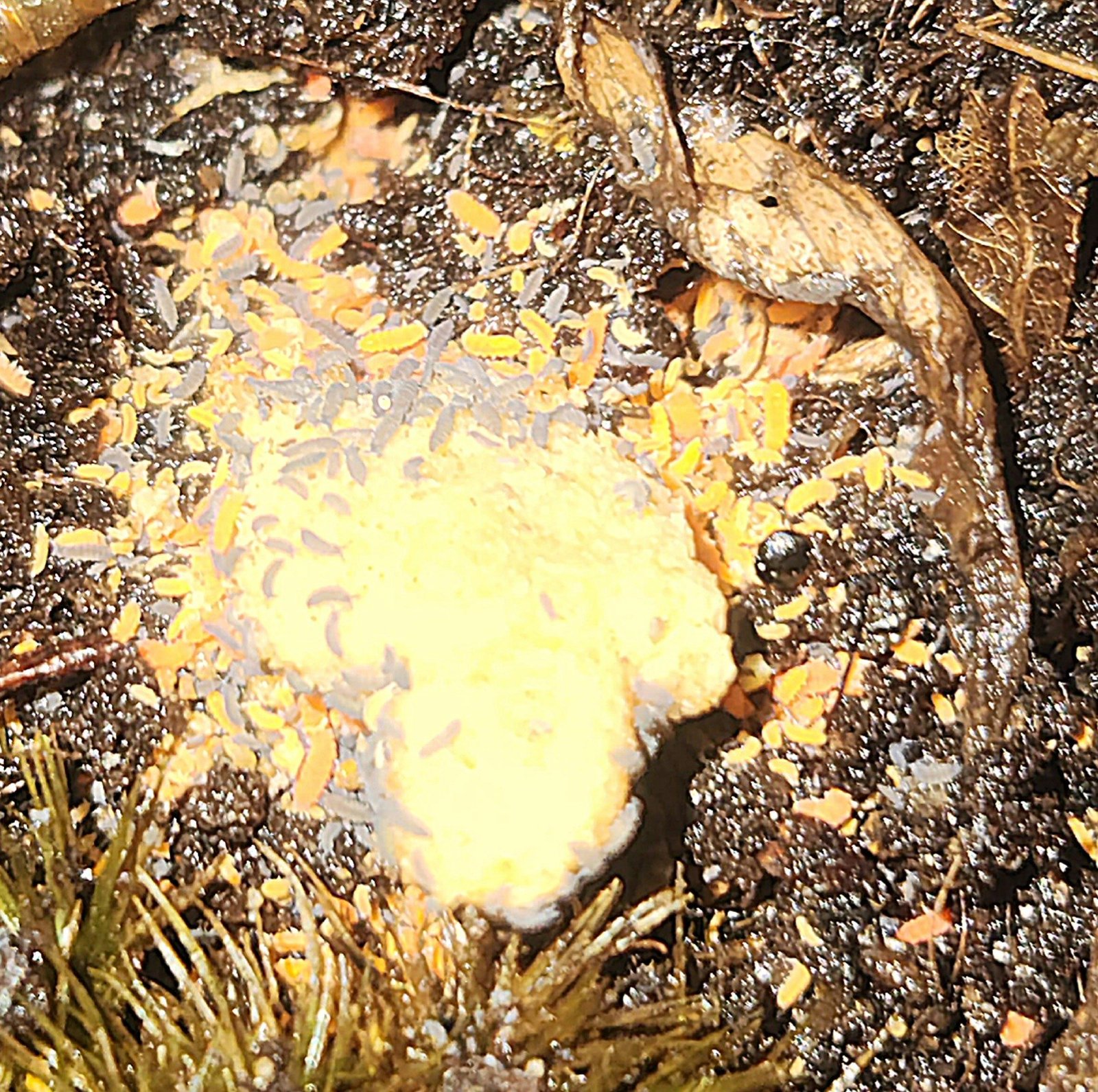
- Lilac individuals — produce the characteristic shifting purple shimmer in groups; in dense feeding clusters, the collective lilac-purple glow across the substrate surface is immediately striking
- Yellow individuals — vivid and individually distinct; each yellow animal is a clear, warm point of colour visible at a glance against dark substrate
- Together — the contrast between purple and yellow moving through the same substrate layer is genuinely eye-catching; the two warm colours complement each other in a way that neither achieves alone
- Feeding time — when food is added, both colour types swarm simultaneously; the combined feeding cluster of lilac and yellow against dark soil is one of the most spectacular microfauna moments a tropical vivarium can produce
Care — Exactly the Same as Either Strain Alone
Because both colour expressions share identical genetics apart from the albino pigmentation difference, the mix requires no special care beyond what either single strain demands:
| Parameter | Recommended Range |
|---|---|
| Temperature | 74–76°F (23–24°C) — optimal for reproduction of both colour types |
| Humidity | High — damp soil with rotting wood; moist but not waterlogged |
| Substrate | Organic soil, coco fibre, charcoal, or soil mix with rotting wood |
| Diet | Tropical fish flakes, brewer’s yeast, decaying plant matter, springtail food |
| Enclosure | Secure-lidded container with ventilation |
| Care Level | Beginner |
One practical note: If you want to maintain the 50/50 balance long-term, keep the culture well-fed and stable. In healthy, consistently maintained conditions, both morphs reproduce at similar rates and the balance holds naturally. In stressed or underfed conditions, one morph may outperform the other temporarily — so consistent feeding and appropriate temperature are the main things to keep on top of.
Who Is This For?
- Aesthetic vivarium builders who want two complementary colours in a single culture — the purple-yellow contrast is one of the most visually striking substrate-level displays available in the hobby
- Keepers who want both Ceratophysella strains without the complexity of managing two separate cultures at the same time
- Dart frog keepers — both colour types are equally effective feeders; the visual contrast of lilac and yellow prey items adds variety and stimulation to a frog’s feeding experience
- Genetics enthusiasts who find the albino morph story fascinating and want to observe both wild-type and albino expressions reproducing together in a living colony
- Tropical vivarium builders who want maximum visual impact from a single springtail purchase without maintaining multiple separate cultures
- Gift purchases for the vivarium keeper who already has basic springtail species and is ready for something more visually interesting
Care Level: Beginner. Identical care to either single strain. No additional complexity from maintaining the mix — both colour types thrive in the same conditions and reproduce together naturally.
What’s Included in the dual colour springtails vivarium
Each culture contains approximately 50 Ceratophysella sp. springtails in a roughly 50/50 mix of lilac-purple wild type and vivid yellow albino morph — adults and juveniles of both colour expressions — raised in-house at Springtails Culture on organic soil substrate with rotting wood and shipped with our live arrival guarantee.
| Quantity | Best For |
|---|---|
| 50 springtails | Single tropical vivarium or starter mix culture |
| 100 springtails | 1–2 tropical or dart frog display enclosures |
| 150 springtails | Medium builds seeded with dual-colour microfauna |
| 200 springtails | Multiple enclosures or a high-visual-impact cleanup crew |
| 250 springtails | Large display vivariums or serious collectors |
| 500 springtails | Breeders and multi-tank tropical keepers |
| 1,000 springtails | Wholesale — the most colourful bulk offer in the range |
Complete the Colour Range
The Lilac Albino Mix covers the purple-yellow axis of the tropical colour range beautifully. Add Tropical White (Collembola sp.) for deep-soil coverage in neutral white, and Coecobrya tenebricosa Large Form for surface-active pink — three purchases, four distinct colours, every substrate layer covered. Or keep it simple and let the Mix do its work alone — it’s more than enough colour for any single vivarium.
Shipping & Live Arrival Guarantee
All cultures are carefully packed and monitored for temperature throughout transit. Your Lilac Albino Mix will arrive alive and active on organic substrate, with both colour expressions present and ready to establish.
Please note: Quantities are estimated counts and colour ratios may vary slightly between cultures. Both colour types will be present. Cultures may vary slightly in number. All sales are final — please review our Refund & Returns Policy before purchasing.
| Weight | 0.5 lbs |
|---|---|
| Species | Ceratophysella sp. (Lilac & Albino forms) |
| Type | Tropical |
| Colour | Lilac / Albino (mixed) |
| Difficulty | Mid |
| Temperature | 23–29°C |
| Humidity | High (70–90%) |
| Use | Cleanup crew / feeder / collector / display |
| Substrate | Charcoal / clay / tropical mix |
| Live arrival | Guaranteed |
| Care sheet | Included |
| quantity | 100 springtails, 1000 springtails, 150 springtails, 200 springtails, 250 springtails, 50 springtails, 500 springtails |
2 reviews for Ceratophysella sp. – Lilac Albino springtail mix Culture — Dual-Colour Tropical Bioactive Substrate Kit
Add a review
Related products
Tropical Springtails
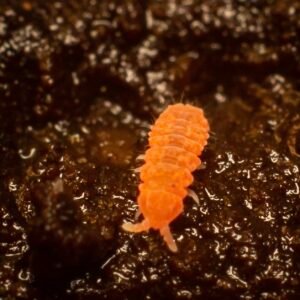
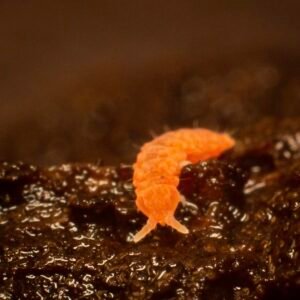
Yuukianura aphoruroides – Tropical Orange Springtail Culture — Asian Bioactive Substrate Kit
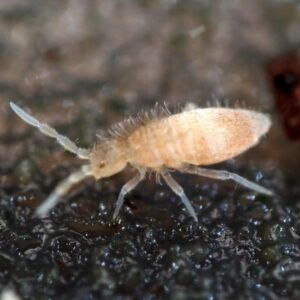
Tropical Springtails
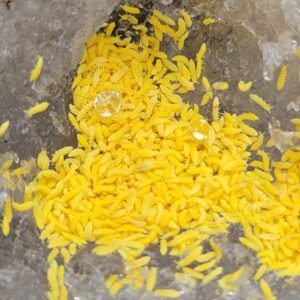
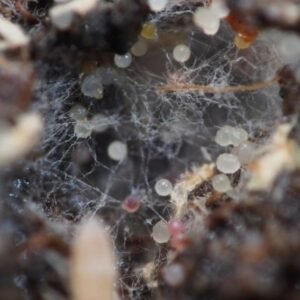
Collembola sp. Tropical Yellow Springtails — Prolific Tropical Bioactive Substrate Kit
Temperate Springtails
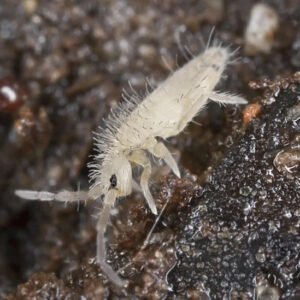
Sinella curviseta – Pink Curved Springtail Culture — Planted Vivarium Bioactive Substrate Kit
Tropical Springtails
Tropical Springtails
Coecobrya tenebricosa – Tropical Pink Springtail Culture — Bioactive Microfauna Substrate Kit
Rare and Exotic Springtails
Rare and Exotic Springtails
Neanura growae – Florida Orange Springtail Culture — Native US Tropical Bioactive Substrate Kit
Temperate Springtails
Folsomia candida White Springtail Culture | Temperate Cleanup Crew for Terrariums & Bioactive Setups
Francios B –
xcellent addition to my vivarium. The springtails were healthy, and the culture contained plenty of visible individuals. I’ll definitely consider ordering another culture when I expand.
Janice –
i wont rate you guys a complete 5star because the culture really appeared inactive when they arrived but im beginning to see some growth, i was scared as i reached out to customer service and kept being put on hold so it mage me nervous a lil.