
Thai Red Springtails | Lobella cf. sp. Thai Red Springtail Culture | Ultra Rare Collector Species
Price range: $35.00 through $460.00
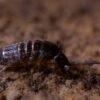
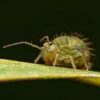
Buy Lobella cf. sp. “Thai Red” — the Thai Red Springtail — one of the most ultra rare, visually striking, and collector-coveted springtail species in the world.
Introduced to the hobby in 2021, these deep vivid red, non-jumping, substrate-visible springtails from Thailand are a genuine display animal as much as a functional cleanup crew.
Robust segmented body, intense solid red colour, and protein-driven colony growth make this the most exciting acquisition for any serious tropical vivarium keeper or springtail collector.
Raised in-house on organic soil substrate and shipped with a live arrival guarantee.
Select your quantity below.
Thai Red Springtails Culture — Ultra Rare Collector Species (Lobella cf. sp. “Thai Red”)
In a hobby where most springtails are white, translucent, or muted, the Thai Red is a statement. Lobella cf. sp.
“Thai Red” is one of the most visually arresting, biologically unique, and collector-coveted springtail species on the planet.
Originating from the deeply humid tropical forests of Thailand and introduced to the worldwide hobby only in late 2021, this is a species still rare enough that many experienced keepers have never held a culture.
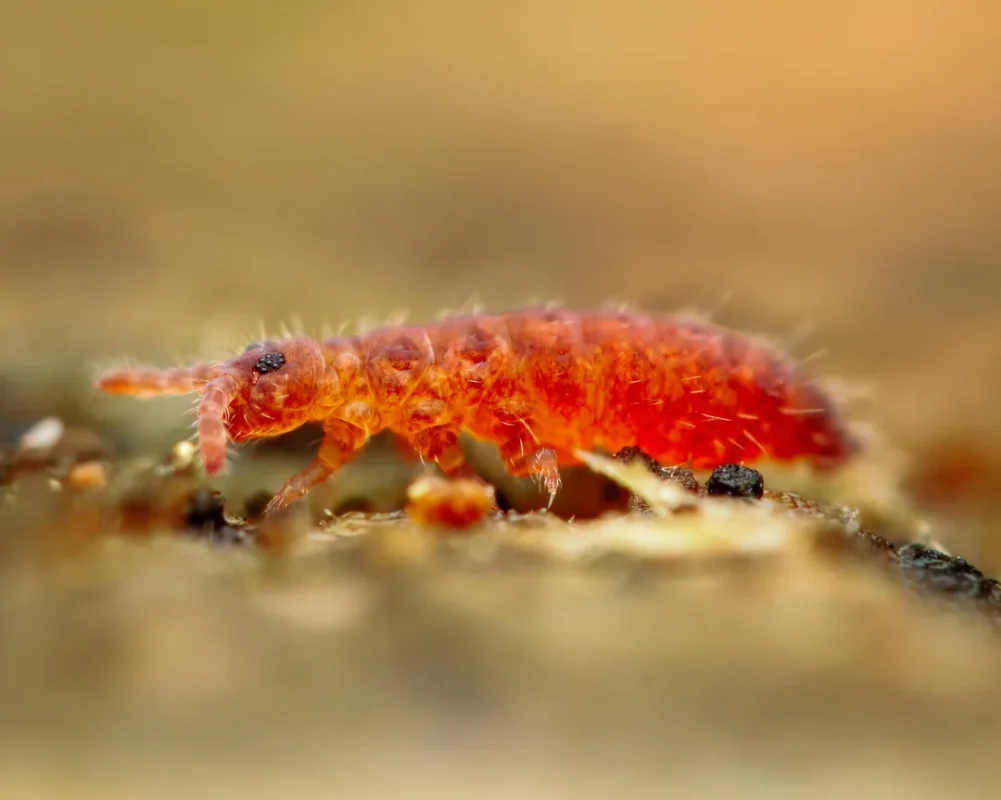
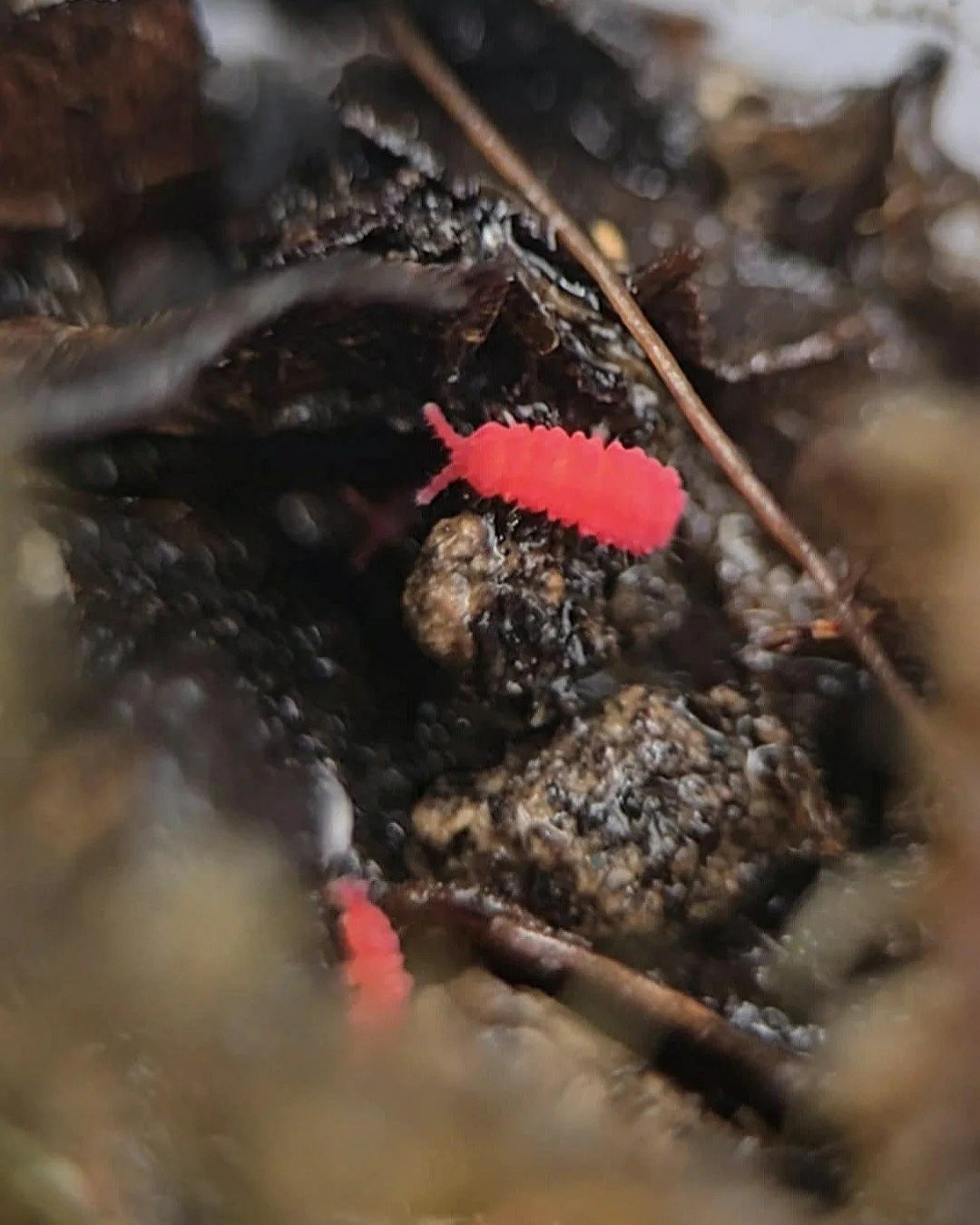
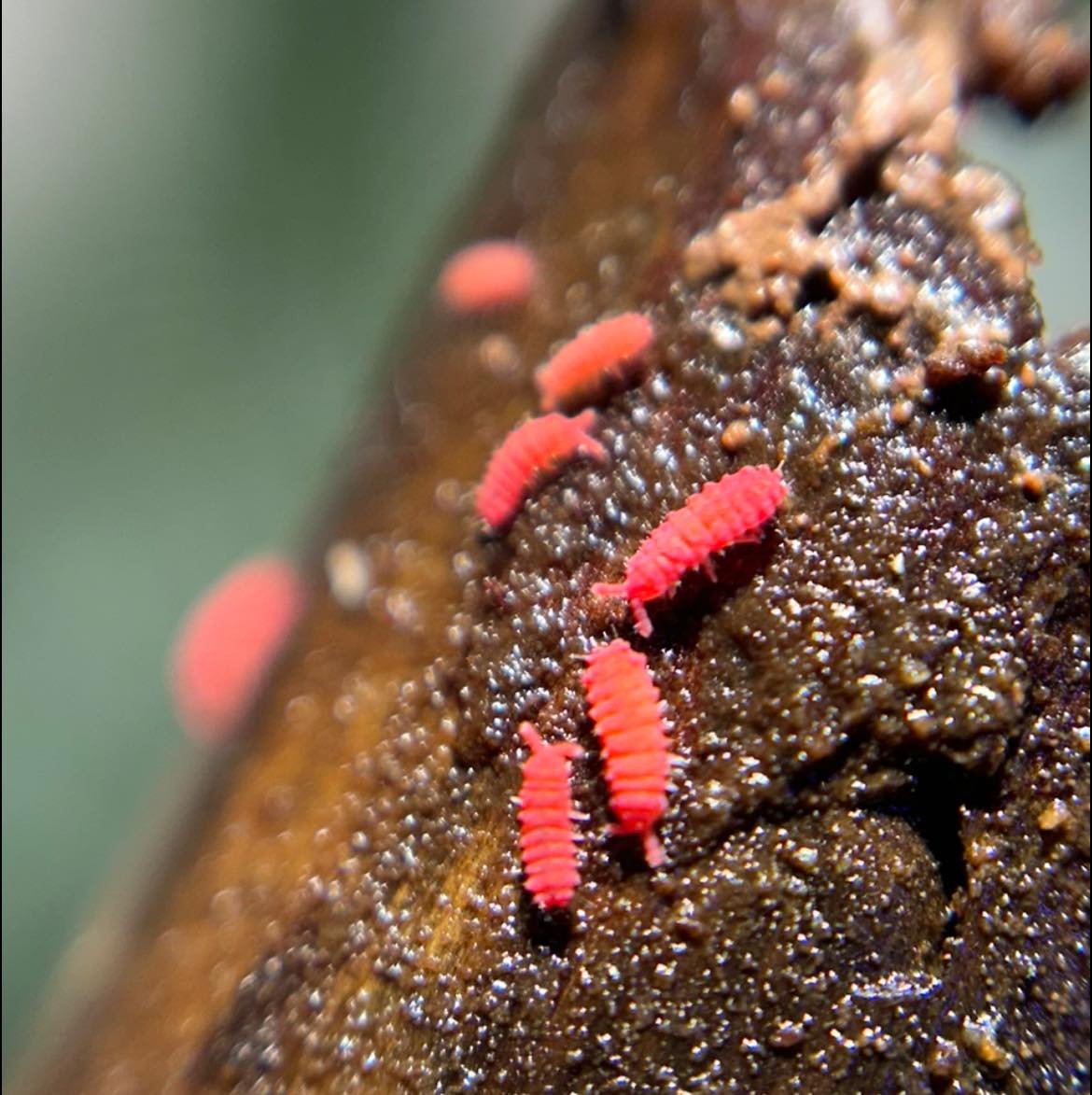
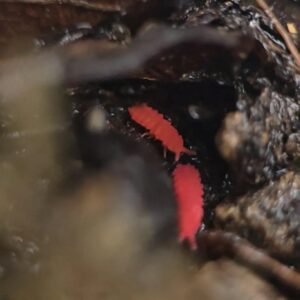
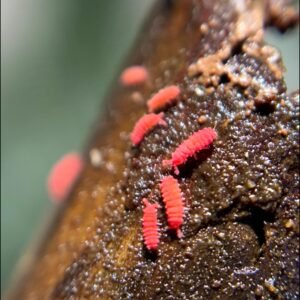
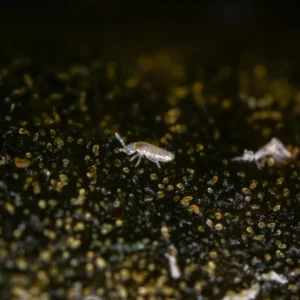
Deep, vivid, solid red, intense and unwavering in colour regardless of lighting angle, the Thai Red doesn’t shimmer or shift.
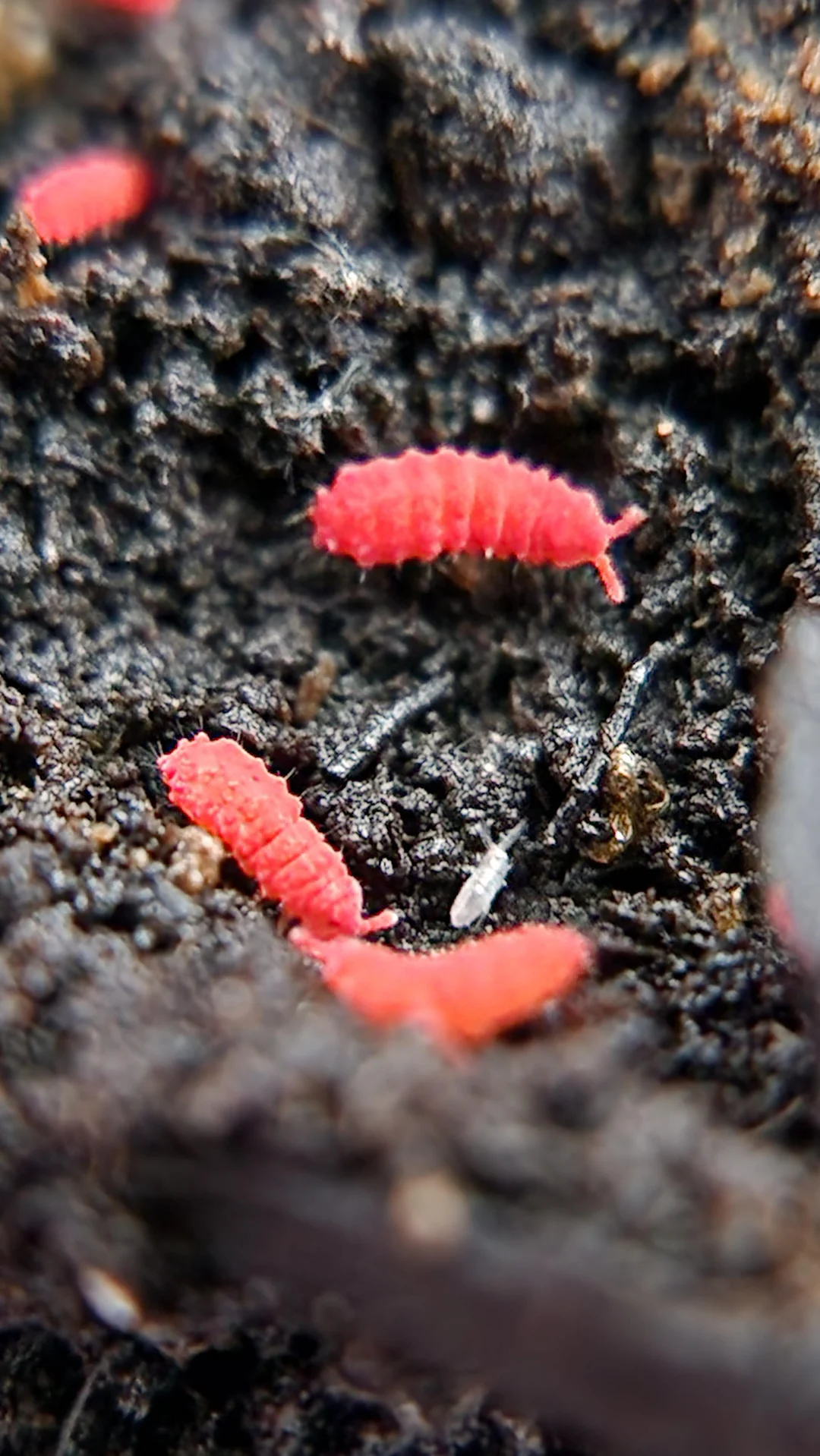
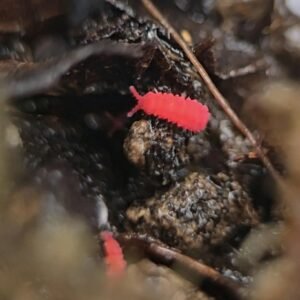
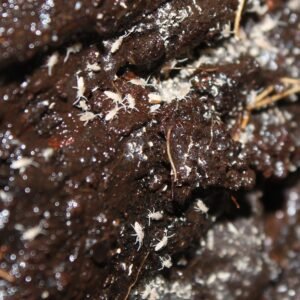
It simply blazes. Against dark organic substrate, it looks like scattered embers crawling through the terrarium floor.
This is not your ordinary cleanup crew. This is a living collector’s piece.
What Makes the Thai Red Extraordinary
The Thai Red stands apart from every other species in this catalogue and in the hobby through a combination of traits that no other springtail can replicate:
- Deep, vivid, solid red colouration — intense and unwavering, with no shimmer or iridescence needed; the colour speaks entirely for itself against any substrate
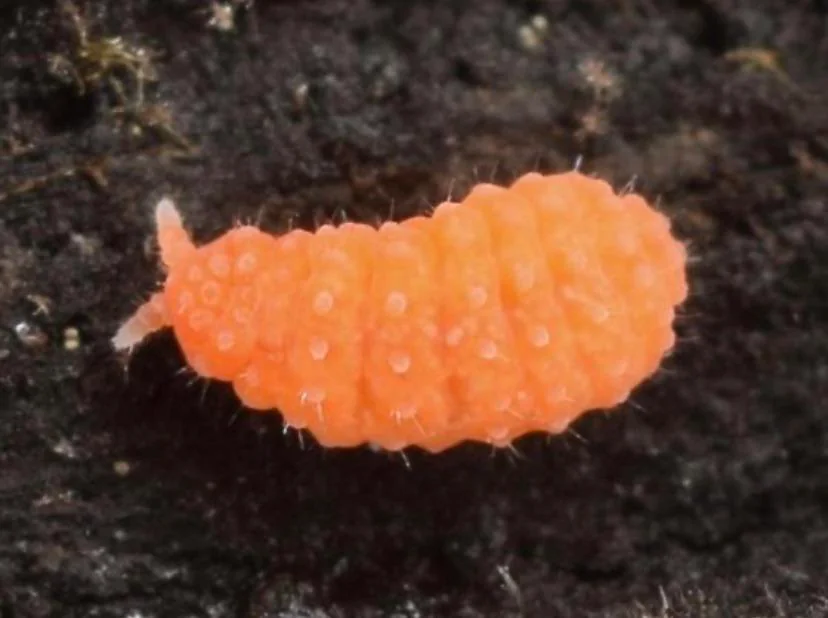
- Non-jumping species — Lobella cf. belongs to the Neanuridae family, characterised by a reduced or absent furcula, meaning Thai Reds do not jump. They move slowly, deliberately, and predictably making them far easier to observe and manage than typical springtails
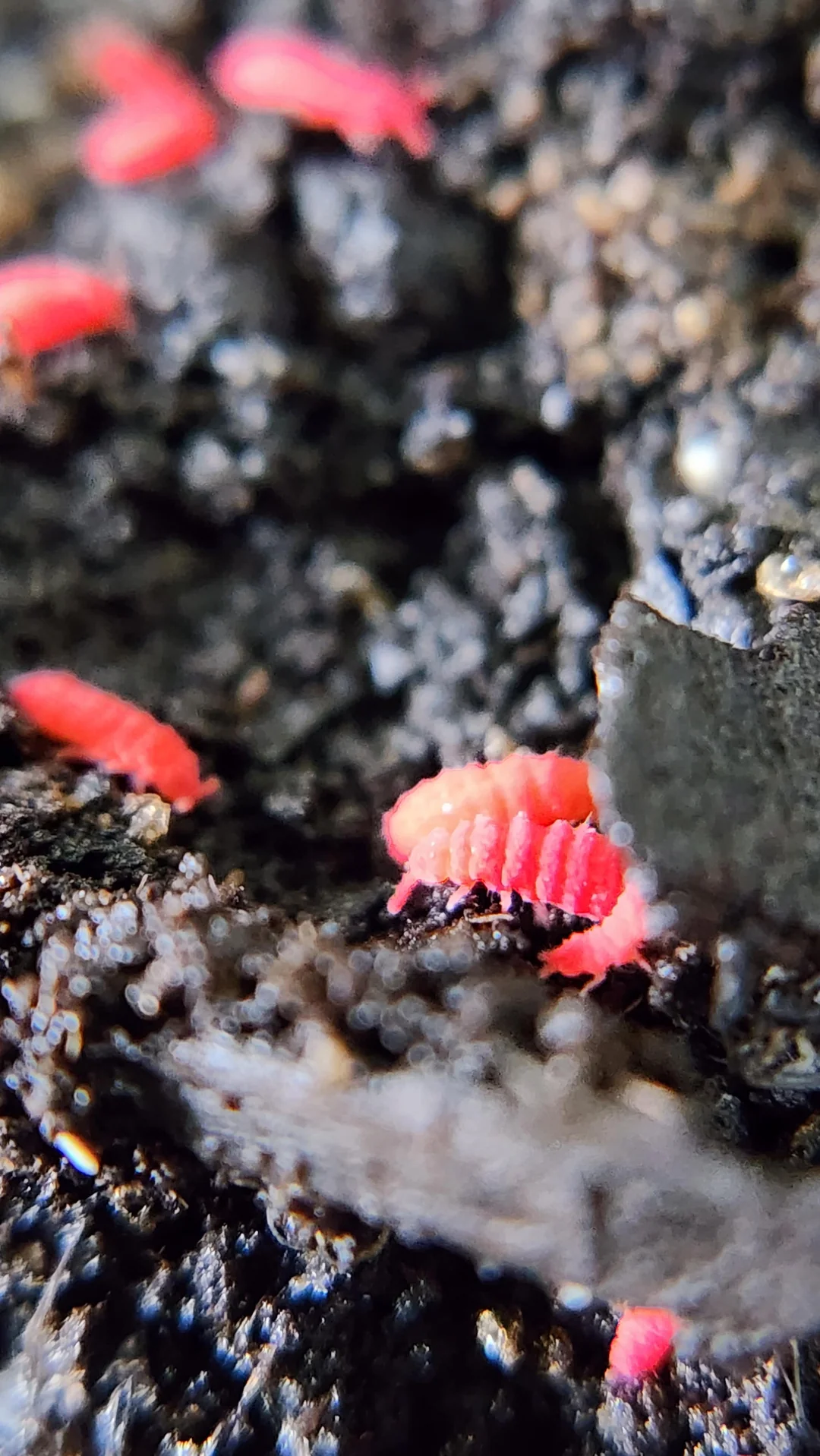
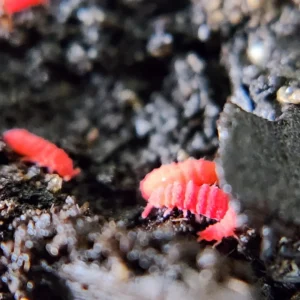
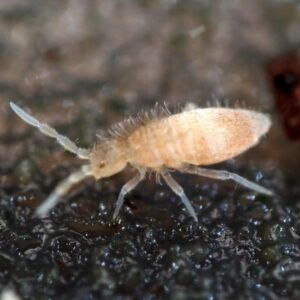
- Robust, segmented body form — stocky, stout, and slightly granular in texture, with a body structure that resembles a tiny isopod or larva more than a typical springtail — completely unlike any elongated or globular species in the hobby
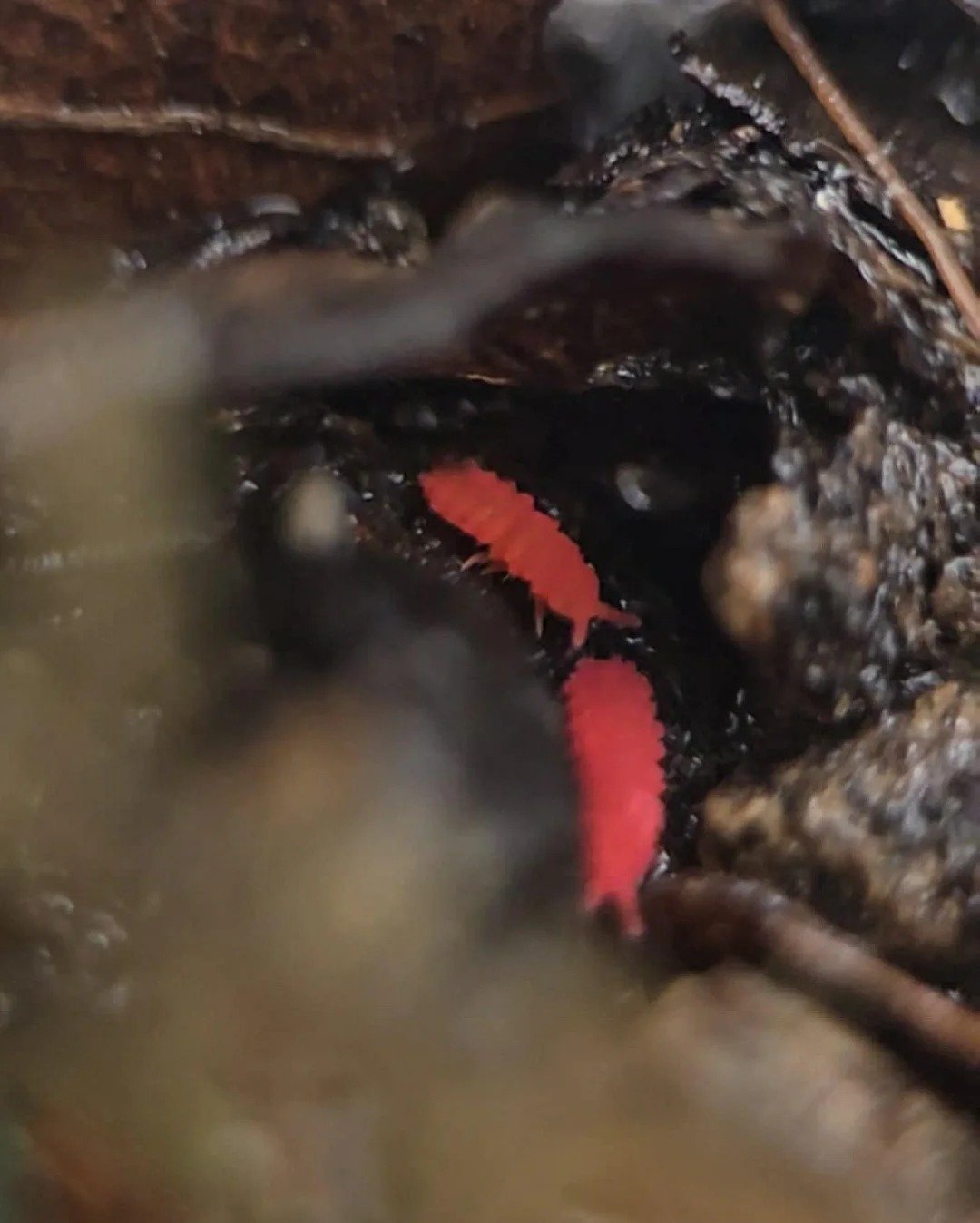
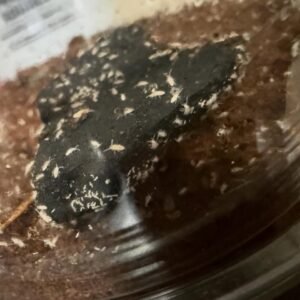
- Genuinely visible in substrate — their vivid red colouration makes them one of the few springtail species that can actually be spotted at a glance in a terrarium setting, moving through soil, rotting wood, and organic matter in plain sight
- Ultra rare in dedicated culture — introduced to the hobby in 2021, Thai Reds remain one of the least widely available premium springtail species, with relatively few dedicated breeders maintaining quality cultures
- Protein-driven colony growth — unlike most springtails that thrive on yeast alone, Thai Reds respond dramatically to protein supplementation, rewarding keepers who invest in their diet with rapid, healthy colony development
Origin & Background
Lobella cf. sp. “Thai Red” originates from the tropical forests of Southeast Asia; Thailand specifically where they inhabit the deep, moist organic layers of forest floor substrate, beneath rotting logs, in leaf litter, and within the humid microhabitats of tropical soil ecosystems. Their intense red colouration, rarely seen in wild Collembola at this vibrancy, combined with their non-jumping, substrate-dwelling behaviour, sets them apart from every other springtail species that has entered the hobby before or since their 2021 introduction.
Their rarity in culture stems directly from their specific requirements; deep organic substrate, consistently high humidity, warm tropical temperatures, and protein-rich supplemental feeding. These conditions reward dedicated keepers and naturally limit casual availability.
Role in a Bioactive Enclosure
Despite their exotic collector status, Thai Reds are genuinely effective detritivores and bioactive cleanup crew members. They feed continuously on:
- Mold, fungal hyphae, and microbial growth throughout the substrate
- Decaying organic matter, rotting wood, and decomposing leaf litter
- Bacteria, algae, and biofilm in the deeper substrate layers
- Tropical fish flakes, yeast, spirulina, and protein-rich springtail supplements
Their substrate-dwelling behaviour means they work deep in the organic layers where mold and decomposition begin tackling the problem at the source. When feeding, they can be seen swarming food sources in groups, making feeding time one of the most visually spectacular moments of keeping this species. Here’s a guide on how to start and maintain slime mold.
Important substrate note: Thai Reds have a strong digging instinct and must be kept on a deep organic soil-based substrate. Clay and charcoal substrates are unsuitable and will result in colony failure. Provide at least several centimetres of rich, moist organic soil.
Who Is This Species For?
- Elite and serious collectors who want a species introduced to the hobby fewer than five years ago and still genuinely difficult to source
- Display vivarium builders who want the most visually striking substrate-level animal available — a species that adds a blaze of vivid red to the terrarium floor
- Dart frog and reptile keepers — their vivid red colour serves as a powerful visual feeding trigger for smaller amphibians and reptiles, making them as functional as they are beautiful
- Dedicated hobbyists ready to meet their specific care requirements and be rewarded with a thriving, spectacular colony
- Multi-species collectors who have worked through the more accessible rare species and are ready for their most challenging and rewarding acquisition yet
Care Level: Advanced. Thai Reds reward keepers who understand their specific substrate, humidity, temperature, and dietary requirements. Not recommended as a first rare species but absolutely worth the effort for prepared keepers.
Care & Housing Requirements
| Parameter | Recommended Range |
|---|---|
| Temperature | 74–82°F (23–28°C) — warmer end drives faster colony growth |
| Humidity | Very high — 85–100%; substrate must remain consistently moist |
| Substrate | Deep organic soil only — minimum several cm depth; must be able to burrow |
| Diet | Tropical fish flakes, brewer’s yeast, spirulina, protein-rich springtail food |
| Enclosure | Closed or near-closed lid to maintain humidity; secure fit essential |
| Care Level | Advanced |
Key care rules for Thai Red success:
- Never use clay or charcoal substrate — organic soil only, deep enough to burrow
- Maintain consistently high humidity — moist but never waterlogged
- Supplement with protein — yeast alone is insufficient; tropical fish flakes and spirulina drive colony health
- Keep warm — 78–82°F produces the fastest reproduction; room temperature works but slows development
- Secure lid always — while they don’t jump, they climb well and can escape through gaps
Here’s detailed post on how to care for them
What’s Included
Each culture contains approximately 50 Thai Red springtails (Lobella cf. sp. “Thai Red”), including adults and juveniles of varying sizes (1–5mm), raised in-house at Springtails Culture on organic soil substrate and shipped with our live arrival guarantee.
Select your preferred quantity at checkout.
All cultures are active, counted by estimation, and packed with exceptional care for this ultra rare species.
The Ultimate Tropical Display Pairing
Pair Thai Red Springtails with a dark, richly coloured tropical isopod for the most visually dramatic bioactive substrate imaginable.
The vivid red of the Thai Red against deep brown or black isopods, moving through rich organic soil and rotting wood, creates a substrate-level display that rivals anything visible above it.
They work the same moist tropical microhabitat, targeting different scales of decomposition.
Thai Reds handling the microbial and fungal layer, isopods managing macro-waste creating a complete, self-sustaining tropical ecosystem.
Shipping & Live Arrival Guarantee
All active cultures from Springtails Culture are carefully packed and monitored throughout transit.
For our ultra rare Thai Red cultures specifically, we pay particular attention to temperature management, humidity retention during shipping, and transit timing to ensure your cultures arrive alive, active, and ready to establish in appropriate tropical conditions.
Please note: Quantities are estimated counts and individual sizes will vary from juveniles to fully grown adults. Cultures may vary slightly in number. All sales are final — please review our Refund & Returns Policy before purchasing.
| Weight | 0.5 lbs |
|---|---|
| Species | Lobella cf. sp. "Thai Red" |
| Type | Rare & Exotic |
| Colour | Deep red |
| Origin | Thailand |
| Difficulty | Intermediate |
| Temperature | 24–29°C |
| Humidity | High (75–90%) |
| Use | Cleanup crew / feeder / collector |
| Substrate | Moist soil with rotting wood |
| Live arrival | Guaranteed |
| Care sheet | Included |
| Stock level | Limited — sells out fast |
| quantity | 100 springtails, 1000 springtails, 150 springtails, 200 springtails, 250 springtails, 50 springtails, 500 springtails |
4 reviews for Thai Red Springtails | Lobella cf. sp. Thai Red Springtail Culture | Ultra Rare Collector Species
Add a review
Related products
Tropical Springtails
Tropical Springtails
Lilac springtails Ceratophysella Culture — Tropical Purple Bioactive Cleanup Crew Substrate Kit
Rare and Exotic Springtails
Rare and Exotic Springtails
Tropical Springtails
Temperate Springtails
Sinella curviseta – Pink Curved Springtail Culture — Planted Vivarium Bioactive Substrate Kit
Rare and Exotic Springtails
Neanura growae – Florida Orange Springtail Culture — Native US Tropical Bioactive Substrate Kit
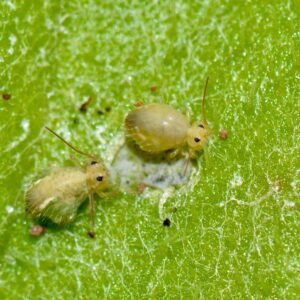
Rare and Exotic Springtails
Sminthurus viridis — Lucerne Flea Culture | Globular Springtail for Decaying Matter Terrariums
micheal –
thank you so much! my red babies just arrived and they are extremely healthy and look so cute ❤️❤️❤️❤️❤️
sales@springtailsculture.shop –
Thanks so much! We’re glad your red springtails arrived healthy and safely. Enjoy your new little colony! 😊
Megan –
I’m loving these little guys more than anything, they arrived a little stressed but so far they have become active again, unfortunately i can’t share pictures here 😍😍😍
Antonio –
Healthy culture with plenty of springtails visible on arrival. The instructions were simple to follow, and they established quickly in my enclosure. I’d order again.
curtis –
I’ve purchased springtails from several shops, and this culture was one of the healthiest I’ve received. Lots of active adults and juveniles. Highly recommended for anyone starting a bioactive setup with the thai red or santa claus springtails