
Buying Guides
Best Gifts for Terrarium keepers & Bioactive Lovers (2026 Guide)

Nov
What Is The Best Gifts For Terrarium Keepers?
Short answer: the best gift for a bioactive or terrarium lover is something living that works hard in their enclosure: a clean-up crew of springtails and isopods. For a beginner, choose a bundle that includes both. For a collector, choose a rare springtail or a designer isopod. Add a few practical extras, such as cork bark or a hygrometer, and include a short care note. If you want it to arrive by Christmas, order by Wednesday, December 16, because we ship live animals on Monday, Tuesday and Wednesday only.
Table of Contents
Gifts for terrarium keepers are easy to get wrong. Plants die, decor goes unused, and gadgets gather dust. A live clean-up crew is different: it is useful from the first day, it is fascinating to watch, and it keeps working long after the wrapping paper is gone. This guide helps you decide whether a live gift is right, what to buy for each kind of person and budget, how to time your order, and how to present the gift well.
Is a live gift the right gift?
Springtails and isopods are living animals, so a little thought goes a long way. Before you order, ask yourself these questions.
1. Does the person keep a terrarium, vivarium or plants?
The ideal recipient already has a bioactive enclosure, or is building one. They will know exactly what to do with a clean-up crew. If they keep reptiles, amphibians, tarantulas, orchids or planted terrariums, they are a strong match.
2. Do they want to start?
If someone has talked about building a terrarium and has the container waiting, a starter bundle can be the nudge that gets them going. If they have never mentioned it, a live gift may feel like a chore. For those people, choose something non-living, such as a book or supplies.
3. Will they be home to receive it?
Live animals should not sit outside in winter weather. Make sure the recipient, or someone in their household, can bring the package inside soon after delivery. If not, ship to a place that can accept it, or choose a delivery date you can coordinate.
4. Are there rules or sensitivities?
Check that local rules allow keeping the species you choose, and make sure nobody in the household is uncomfortable with small crawling animals. These are harmless to people and are usually kept sealed in a container or enclosure, but not everyone loves them.
5. Is a child involved?
Children often love watching springtails and isopods, but they need adult supervision, and everyone should wash hands after handling animals or substrate. A parent should agree to the gift first.
6. Do they already own pets that might eat them?
Some pets, such as certain tarantulas, will eat isopods. Others live happily with them. If you are unsure, ask the recipient or choose the springtail side of a bundle.
If you can answer yes to the first three, you have a good gift. If you are not sure, a quick, casual question can save you a lot of guesswork. “Are you still thinking of setting up that terrarium?” is usually enough.
Why springtails and isopods make good gifts
- They are genuinely useful. Springtails graze on mold and microscopic waste. Isopods break down leaf litter, wood and debris. Together they keep a bioactive enclosure clean, healthy and balanced. Our guide to springtails vs isopods explains the difference.
- They are interesting. Pill bugs roll into balls, Dairy Cows have bold patterns, and collector springtails come in startling colors. They give keepers something to watch every day.
- They keep growing. A small starter group can grow into a thriving colony over weeks and months, so the gift gets better with time.
- They are affordable. Many starter cultures cost around the price of a restaurant lunch, which makes them easy to gift without overspending.
- They are unusual. Most people have never been given a live clean-up crew, so it stands out from the usual candles and gift cards.
- They suit every skill level. There are easy species for beginners and rare collector animals for experienced keepers.
If you are new to these animals yourself, our guide to the best isopods for beginners gives a quick overview of the easiest species.
Holiday ordering timeline
Timing matters more for live animals than for any other gift. Here is how to plan.
Key dates for 2026
| Date | What to know |
|---|---|
| Thursday, November 26 | Thanksgiving. Orders placed through the weekend ship the following Monday. |
| Friday, November 27 | Black Friday. Orders ship Monday, November 30. |
| Monday, November 30 | Cyber Monday, and a shipping day. |
| Wednesday, December 16 | Our recommended last order date for Christmas arrival. |
| Friday, December 25 | Christmas Day. |
How our shipping days work
We ship live animals on Monday, Tuesday and Wednesday only. This keeps packages from sitting in a carrier facility over a weekend. Orders placed after Wednesday ship the following Monday. You will get a tracking number by email as soon as your order is on its way. Full details are in our Shipping Policy.
Plan around the weather
Winter weather is the biggest risk to live gifts. We check the forecast at both ends and add heat packs in cold weather, and we hold an order if it is too cold along the route. For the full explanation, read our guide to winter shipping for live isopods. If your recipient lives somewhere very cold, choose express shipping, and make sure they can bring the package in right away.
Ordering after December 16
Later orders can still ship on the next available Monday to Wednesday, but we cannot promise delivery before Christmas. If you miss the deadline, a printed card that says “your gift is on its way” works well, and can be a charming way to extend the surprise.
Delivery tips
- Choose express shipping for long distances or very cold or hot destinations.
- Give the recipient a heads-up about the delivery date, without spoiling the surprise.
- Ask the carrier to hold the package if nobody will be home.
- Add your gift message in the “Order notes” box at checkout.
Shopping Black Friday and Cyber Monday weekend
The long weekend after Thanksgiving is a busy time for online orders, and live animals add a few extra considerations. Here is how to shop smart.
- Order early in the weekend if you want a specific species. Rare and collector animals sell out first, and restocks can take weeks.
- Know when your order ships. Orders placed from Thursday through Sunday ship on Monday, November 30, our first shipping day after the holiday. That is perfectly timed for gifts that need to arrive well before Christmas.
- Check the forecast for your recipient. Late November and early December can bring cold snaps. If the recipient lives in a cold area, choose express shipping, and read our guide to winter shipping for live isopods.
- Watch for the cart minimum. Isopod-only orders have a $50 minimum, so add a second species, a slime mold culture or a gift set to reach it.
- Do not wait for a perfect moment. If you see the species you want in stock, order it. Time is tight in December.
- Keep your order number. Your confirmation email has the number the recipient needs if they ever have to make a claim.
Any holiday offers will show on the site, so check the top of the page and the gift sets page before you check out.
Gift ideas by budget
Prices below are starting prices from our shop as of November 2026. Counts and prices vary by product, so check each page for the current details.
Under $25: small, simple and useful
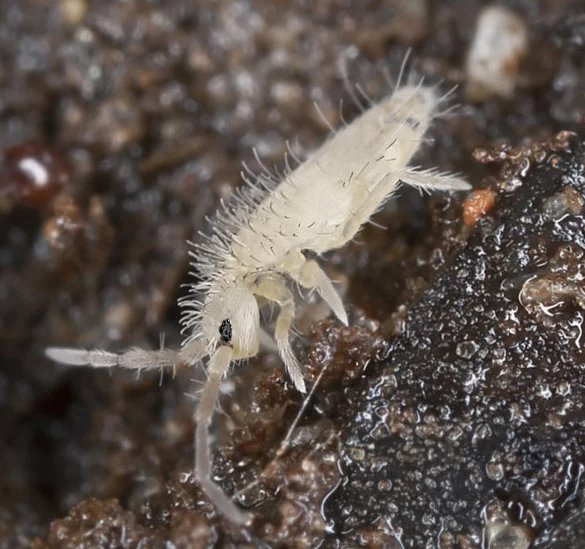
- Tropical White springtails: a starter culture of an easy, prolific species that suits warm, humid terrariums and dart frog vivariums. Cultures start from around $15.
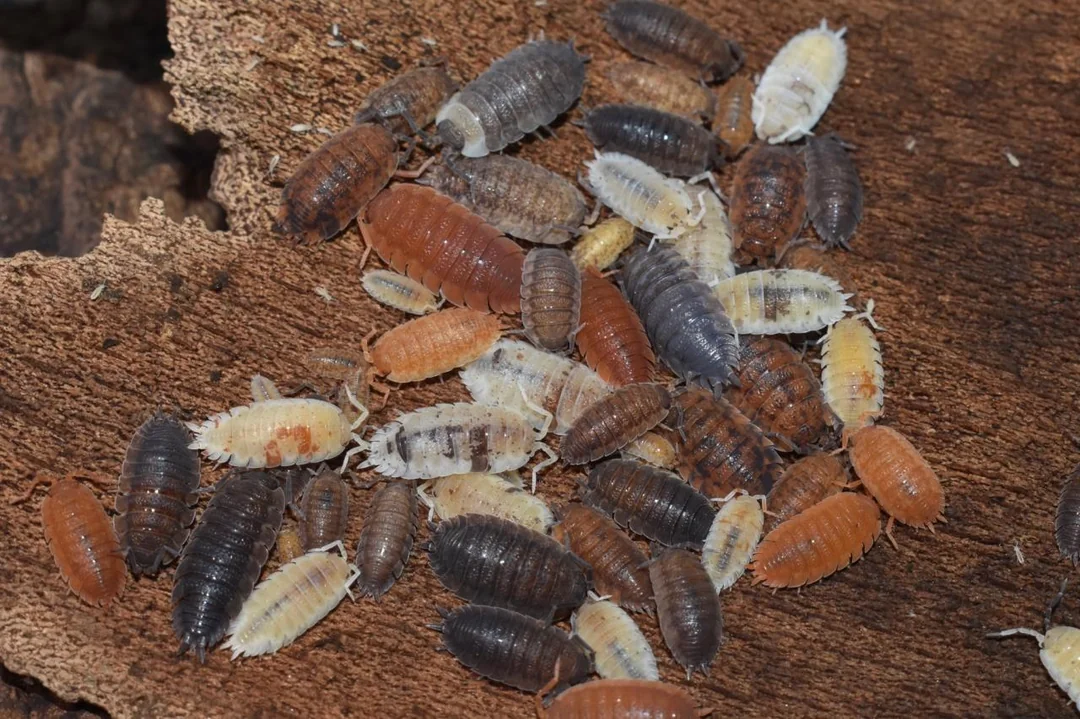
- Dairy Cow isopods: a pack of ten black-and-white isopods that are hardy and fun to watch. From around $15.

- Dalmatian or Giant Canyon isopods: other beginner-friendly Porcellio isopods from around $15.
- Santa Claus springtails: a festive red and white collector springtail, ten for about $25. It is a fun stocking filler for someone who already keeps rare microfauna, and it pairs naturally with a slime mold culture for food.
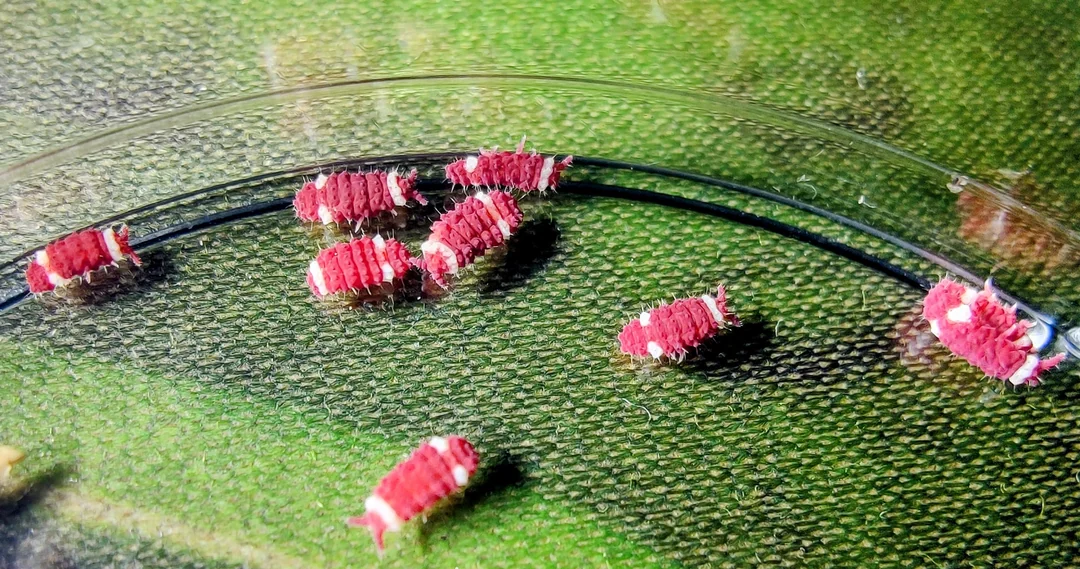

Best for: a first gift, a secret Santa, or a small thank-you for a fellow hobbyist.
$25 to $60: a proper gift
- Designer isopods: Magic Potion pill bugs, Gestroi with its yellow spots, or Rust Giant Canyons, each from about $20 to $30.
- Little Sea and other Cubaris murina: a gentle step into designer isopods in pretty colors.
- A springtail and isopod pairing: buy a springtail culture plus a pack of isopods and add a note about how they work together. Or pick one of our smaller gift sets.
- A collector springtail starter pack: animals and slime mold together, so the recipient has everything they need.
Best for: someone who is already keeping animals and would enjoy adding something new.
$60 to $120: a generous gift
- A multi-species gift set: several species in one box, packaged for gifting.
- A collector springtail duo: two rare springtails for a hobbyist who already has the basics.
- A designer isopod trio: three eye-catching morphs in one shipment.
Best for: birthdays, anniversaries, or a big thank-you.
$120 and up: for a serious collector
- Collector sets with a rare Ardentiella isopod such as Scarlet, Tricolor or Wing Wing, usually combined with a rare springtail.
- Larger quantities of favorite species, so the recipient can start several colonies.
Best for: experienced keepers. Ardentiella and many collector springtails are more demanding, so make sure the recipient has the experience before you buy.
Gift ideas by person
The first-time terrarium builder
This person is excited but nervous. Give them the easiest, most forgiving species and a reassuring note. A starter gift set that includes springtails and hardy isopods is ideal. Add a link to our guide on how to set up a bioactive terrarium.
Good picks: Tropical White springtails, Dairy Cow or Dalmatian isopods, or a beginner clean-up crew gift set.
The crested gecko keeper
Crested geckos live in warm, humid, planted enclosures that are perfect for a clean-up crew. Powder isopods and Dairy Cows suit the conditions, with springtails to handle mold. A bundle that includes both is a great fit.
Good picks: a clean-up crew bundle, powder isopods, Tropical White springtails.
The leopard gecko keeper
Leopard gecko setups are drier, so tropical species may struggle. Choose pill bugs such as Magic Potion or Zebra, which tolerate drier conditions, and add a damp hide so they can retreat to moisture.
Good picks: Magic Potion or Zebra pill bugs, with temperate springtails.
The dart frog keeper
Dart frog vivariums are humid and planted, and springtails are essential, both as a clean-up crew and as food for tiny froglets. Gift a healthy culture of a suitable species, and consider a second culture so the recipient has a backup. Smaller isopods suit these setups better than large, fast ones.
Good picks: springtail cultures of different species, powder isopods.
The tarantula or arachnid keeper
Many keepers use isopods as a clean-up crew, but some tarantulas will eat them, so check what the recipient’s animal does. Springtails are a safer choice for most arachnid setups.
Good picks: springtails, or isopods only if the recipient already uses them.
The plant lover and paludarium builder
Someone who grows aroids, ferns, orchids or moss in a closed container will love a clean-up crew that stops mold and keeps the substrate healthy. A bioactive crew pairs beautifully with live plants.
Good picks: a clean-up crew gift set, springtail cultures, Dairy Cow isopods.
The collector who has everything
Rare animals are the answer. Collectors enjoy species that are hard to find and that look spectacular. Consider rare springtails such as McDo or Santa Claus and designer isopods such as Cubaris, Zebra or Ardentiella, but only if you know the recipient has the experience. Our guide to slime mold for springtails explains what collector springtails need, and a culture of slime mold is a thoughtful add-on.
Good picks: a rare springtail duo, a collector set, Montenegro clown isopods or Cubaris.
The teacher or science lover
Springtails and isopods make superb classroom subjects. They are harmless, easy to observe and demonstrate decomposition, adaptation and ecosystems. Check school rules first, and choose a simple, hardy species.
Good picks: Dairy Cow or Dalmatian isopods, a basic springtail culture.
The curious kid (with a parent’s approval)
Children love watching pill bugs roll into balls. Choose Armadillidium species such as Magic Potion or Zebra, and agree on the gift with a parent first. Provide a simple care card and supervise handling.
The coworker or secret Santa recipient
For someone you do not know well, a live gift is a gamble. A small, simple culture with an easy care note is low-risk, but only if they are into terrariums or science. Otherwise, a non-living gift is safer.
The person who just got a new pet
New reptile and amphibian owners often start a bioactive setup. A starter bundle with a note that says “this will keep their enclosure clean” is both practical and thoughtful.
Yourself
It is perfectly fine to treat yourself. The holidays are a great time to build a new enclosure, start a rare colony or expand your collection.
Five complete gift plans
If you would like a ready-made idea, here are five worked examples using products from our shop. Prices are starting prices as of November 2026, before shipping, and may change.
Plan 1: The new crested gecko owner (about $45)
The recipient: someone who has just brought home a crested gecko and is setting up a humid, planted enclosure for the first time.
The gift: a clean-up crew made of three easy cultures: Tropical White springtails (from $15), Dairy Cow isopods (from $15) and Dalmatian isopods (from $15). That comes to about $45.
Why it works: springtails handle mold and microscopic waste, and two hardy isopod species handle everything else. The recipient will not need to buy anything else to start.
The card: “Your new gecko’s cleaning crew. Open the box right away, let them rest at room temperature, then add them to the enclosure.”
Plan 2: The dart frog hobbyist (about $45 and up)
The recipient: an experienced frog keeper who already has springtails but wants more variety and a backup culture.
The gift: a second springtail species alongside a fresh culture of Tropical White. Backup cultures are valuable, because a crash in the main culture can leave frogs short of food.
Why it works: experienced keepers value reliability and diversity. A backup culture is a gift that quietly prevents a bad day.
The card: “A spare culture, just in case. Keep it separate from your main one.”
Plan 3: The collector starting with rare springtails (about $50)
The recipient: someone who enjoys rare animals and has asked about McDo or Santa Claus springtails.
The gift: Santa Claus springtails (ten for about $25) plus a 60 ml slime mold culture (about $25). That comes to about $50.
Why it works: Santa Claus springtails feed on live slime mold, so the animals and the food make a complete gift. Our guide to slime mold for springtails explains how to use it, and you can include the link in your card.
The card: “A festive red and white colony, with the food they need. Feed the slime mold regularly and keep the soil damp.”
Plan 4: The designer isopod lover (about $75)
The recipient: someone who already keeps isopods and enjoys color and pattern.
The gift: a trio of Magic Potion (from $30), Gestroi (from $25) and Rust Giant Canyon (from $20). That comes to about $75.
Why it works: three distinct looks in one shipment. The recipient can keep each in its own container and compare them. Remind them that related morphs can interbreed, so separate containers keep the lines pure.
The card: “Three new colors for your collection.”
Plan 5: The big gift for an experienced keeper (about $125 and up)
The recipient: a collector who already keeps tropical isopods and rare springtails.
The gift: a rare Ardentiella such as Scarlet (from $75), Santa Claus springtails (about $25) and slime mold (about $25). That comes to about $125.
Why it works: it is a collector’s dream, and it covers the food the springtails need. Ardentiella are more demanding than hardy species, so only choose this for someone who has the experience. For the animals themselves, see our isopod collection.
The card: “Something rare for the person who has everything.”
Each of these plans can also be bought as a ready-made set from our gift sets page, which is usually the simplest way to give it.
Our gift sets explained
Our gift sets are designed so that the recipient receives a complete, ready-to-use collection in one shipment. Each species travels in its own container, packed together in one insulated box, and every set is covered by our live arrival guarantee. Here is how to choose.
Beginner clean-up crew set
A springtail culture plus several hardy isopod species. This is the easiest, safest gift for someone starting a bioactive enclosure. It covers mold and larger waste at the same time, so the recipient does not need to buy anything else.
Designer isopod trio
Three eye-catching isopod morphs in one shipment. This suits someone who already has a basic crew and wants color and pattern. It is also a fun, low-effort way to add variety.
Rare springtail duo
Two collector springtails for a hobbyist who has the basics. Keep in mind that Neanuridae species such as McDo and Santa Claus feed on live slime mold, so think about adding it to the order.
Ultimate bioactive gift box
Our most complete gift: everyday species plus rare additions. It is a great fit for a keen keeper who would enjoy a mix of useful animals and collectors’ pieces.
Collector’s showcase
A rare Ardentiella isopod, a rare springtail and a bold pill bug. This is for experienced keepers only, because the animals are more demanding.
Starter packs with slime mold
For collector springtails, we also offer starter packs that include the animals and the live slime mold they feed on, so the recipient has what they need on arrival.
Not sure which set to choose? Contact us with the recipient’s experience level and pets, and we will suggest one.
Extras to pair with a live gift
A live gift is lovely on its own, but a few practical extras make it feel complete. We do not sell most of these, but they are easy to find and inexpensive.
- Cork bark and wood: hides and food for isopods, and a natural look for any enclosure.
- Leaf litter: a bag of dried, untreated leaves, which feeds isopods and springtails and helps the setup look natural.
- A spray bottle: for misting, a basic tool for every terrarium.
- A digital thermometer and hygrometer: so the keeper can see the conditions inside the enclosure.
- Cuttlebone: a calcium source for isopods and many other animals.
- A planted terrarium kit or live plants: for a recipient who is building from scratch. Pothos, ferns and moss are popular choices.
- A book on bioactive terrariums or vivarium design: a thoughtful gift for a keen learner.
- A small tub with a ventilated lid: a simple, practical container for starting an isopod colony.
If the recipient is a beginner, a simple setup list can be as helpful as the animals. Our guide to the best isopods for beginners includes a shopping list you can borrow.
How to present a live gift
You cannot wrap a box of live animals under the tree, because it has to be opened right away. The trick is to make the present feel special in other ways.
Give a printed card
Print a card that says what is on its way, when it will arrive and what the recipient can expect. Something simple like “A live clean-up crew is on its way to your terrarium, arriving around December 18” does the job. You can place the card under the tree or tuck it into a card.
Add your message at checkout
Write a short gift message in the “Order notes” box when you check out. Keep it short and friendly.
Warn the recipient quietly
Without ruining the surprise, make sure someone will be home on delivery day. A text like “keep an eye out for a package on Thursday” is enough.
Include a care note
Give the recipient a short note with the key steps: open immediately, let the animals rest at room temperature, and read the care guide. Links to our How It Works and FAQ pages are handy, and you can print them or send them in a message.
Make it an experience
If you live nearby, build the enclosure together, or give a small tub and supplies in a wrapped box alongside your card. The animals can follow in the mail.
What your recipient needs to know
When the gift arrives, the recipient should do the following. You can copy this list into your card.
- Bring the package inside immediately. Do not leave it outside, especially in cold or hot weather.
- Open it straight away. Do not leave animals sealed in transit packaging.
- Let them rest. Place the containers at room temperature, out of direct sun, for 2 to 4 hours.
- Check for life. Springtails and isopods often look still after shipping. Give them time, then look for movement.
- Add them to the enclosure. Springtails can be seeded by placing the container inside and tapping gently. Isopods should be placed near a hide.
- Contact us within 24 hours if something looks wrong, with the order number and a photo or video. Our live arrival guarantee covers every order, and a gift recipient can start a claim with the order number.
- Read the care guide. Our guides on springtail culture care and how many springtails you need are a good start.
Gift mistakes to avoid
- Surprising someone who is not ready. A live animal needs a home. Make sure the recipient has, or wants, an enclosure.
- Ordering too late. Order by December 16 for Christmas arrival, and remember that we ship Monday to Wednesday.
- Choosing a species that is too hard. A rare tropical isopod can overwhelm a beginner. Match the animal to the recipient’s experience.
- Forgetting the food for collector species. Rare Neanuridae springtails need live slime mold. Add it, or they may starve.
- Ignoring the weather. Choose express for cold destinations, and check that someone will be home.
- Mixing up species. Names like McDo and Santa Claus refer to different animals. Check the listing.
- Buying a gift that does not match the pet. A tropical isopod in a dry enclosure, or an isopod that a tarantula will eat, will not help. Ask first.
- Skipping the card. A short card with arrival date and care steps prevents problems and adds charm.
- Giving a live gift to someone who does not want one. If in doubt, give a non-living gift, or ask.
- Waiting to ask for help. If you are not sure what to buy, send us a message. We reply within a day or two, and we are happy to suggest a gift.
The first 30 days: a timeline for your recipient
A gift is most successful when the recipient knows what to expect. You can include this timeline in your card, or send it as a message. It shows that the first few weeks are quiet, and that is normal.
Day 1: arrival
Bring the package inside, open it right away and let the containers rest at room temperature for 2 to 4 hours. Animals often look still after shipping. Do not panic. After the rest, look for movement. If you see none, contact us within 24 hours with a photo or video.
Days 2 to 3: settling in
Add the animals to the enclosure or a prepared container. Keep the moisture right and avoid disturbing them. Isopods hide during the day, and springtails may take a while to spread.
Week 1: a light routine
Feed lightly, remove uneaten food and mist the damp side of the enclosure. Keep a gentle gradient, with one damp zone and one drier zone. Collector springtails need live slime mold, so feed that on schedule.
Weeks 2 to 3: signs of life
You should start to see animals feeding, moving at dusk and, in the case of isopods, shedding skins. Pale, ghostly animals are usually just molting.
Week 4: the first babies
Tiny juveniles may appear. They are small, pale and shy, so a good flashlight and a quiet moment help. Keep feeding lightly.
After a month
The colony should be settled. From here, keep a simple routine. Our guide to springtail culture care and our guide to the best isopods for beginners give weekly checklists. If something goes wrong, our guides on a culture that is not reproducing and a crashing terrarium help diagnose it.
Gifting live animals responsibly
A live gift is a small commitment for the person who receives it, so a little care on your side makes it a better present. These principles keep everyone happy, including the animals.
Keep them contained
Many hobby species are not native to the United States, and some places restrict them. Tell the recipient that the animals should be kept in an enclosure and never released into a garden, a drain or the wild. It is a short sentence to add to your card, and it protects local ecosystems.
Check local rules
Rules on keeping live invertebrates vary by country and sometimes by state. If you are shipping outside the United States, or to a place with strict rules, contact us before you order, especially for isopods and slime mold.
Be honest about difficulty
Do not give a demanding species to a beginner because it looks impressive. A hardy, forgiving species gives the recipient a good first experience, which makes them far more likely to keep the hobby going. If you are not sure which species is easy, our guide to the best isopods for beginners lists them by difficulty.
Think about the long term
Isopods and springtails can thrive for a long time and breed readily. A gift that is cared for properly can grow into a large colony, and the recipient may want to share surplus animals with friends. That is part of the fun of the hobby, but it is worth mentioning so nobody is surprised.
Support the recipient
Offer to help if they have questions. Pointing them to our FAQ and How It Works pages, or inviting them to contact us, turns a one-off gift into a good start. Many keepers say the early weeks are the hardest, and a bit of reassurance goes a long way.
If the gift is not wanted
Occasionally a recipient receives animals they cannot keep. Please do not release them. Contact us, and we can advise on options, such as passing them to a fellow hobbyist.
A quick decision guide
Still stuck? Answer these questions in order.
- Does the recipient already keep a terrarium or enclosure?
- Yes: continue to question 2.
- No, but they want to start: choose a beginner gift set and a care note.
- No, and you are not sure they want one: choose a non-living gift, such as supplies or a book.
- Are they a beginner or experienced?
- Beginner: hardy species such as Dairy Cow, Dalmatian and Tropical White springtails.
- Experienced: designer isopods, collector springtails or a collector set.
- What pets do they keep?
- Humid, tropical animals: powder isopods, Dairy Cow, tropical springtails.
- Dry-climate animals: pill bugs such as Magic Potion and Zebra.
- Animals that eat isopods: springtails only.
- What is your budget? Use the budget guide above.
- When do you need it to arrive? Order by December 16, and choose express for cold destinations.
If the answers are still unclear, contact us with the recipient’s experience level, pets and your budget, and we will suggest something.
Frequently asked questions
What is a good gift for a terrarium lover?
A clean-up crew of springtails and isopods is one of the best, because it is useful, interesting and affordable. Add practical extras such as cork bark, leaf litter or a hygrometer.
Can you give springtails or isopods as a gift?
Yes, as long as the recipient wants them and can receive the package safely. Springtails and isopods are harmless to people and are easy to keep in a simple container or enclosure.
When should I order for Christmas?
Order by Wednesday, December 16 for Christmas arrival. We ship live animals Monday, Tuesday and Wednesday, and later orders may not arrive before December 25.
How are live gifts shipped in winter?
We check the forecast at both ends, pack in insulated boxes with heat packs in cold weather and hold orders when it is too cold. See our winter shipping guide for details.
What if my gift arrives dead?
Contact us within 24 hours of delivery with your order number and a photo or video. Our live arrival guarantee covers every order, and we reship when a claim qualifies. Isopods often look still after shipping, so give them 2 to 4 hours at room temperature first.
Can I add a gift message?
Yes. Write it in the “Order notes” box at checkout.
What is the best gift for a beginner?
A starter bundle with springtails and hardy isopods, such as Dairy Cow or Dalmatian. It gives a complete clean-up crew in one box.
What is the best gift for a collector?
Rare animals: collector springtails such as McDo or Santa Claus (with slime mold), and designer isopods such as Cubaris, Zebra or Ardentiella, if the recipient has the experience.
Are these safe to give to kids?
They are generally harmless, but children need adult supervision and should wash their hands after handling animals or substrate. Check with a parent before you buy.
Do I need to give a terrarium too?
Not necessarily. A simple ventilated tub works for isopods and springtails, and many recipients already have an enclosure. If they do not, add a tub, substrate and leaf litter.
Can I ship a gift to someone else’s address?
Yes. Enter the recipient’s address at checkout, and put your gift message in the “Order notes” box. Let them know to expect a package.
Where can I buy a gift set?
You can buy them from us. Browse the gift sets, or look at our isopods and rare and exotic springtails to build your own.
The bottom line
For most terrarium lovers, the best gift is a clean-up crew: springtails to graze on mold and isopods to process waste. Choose hardy species for beginners, rare collector animals for experienced keepers, and add a care note and a few practical extras. Order by December 16 for Christmas arrival, make sure someone will be home on delivery day, and let us know if you need help choosing.
Have questions? Read our FAQ, see How It Works, or contact us. We are a small business, and we are happy to help you find the right gift.
