
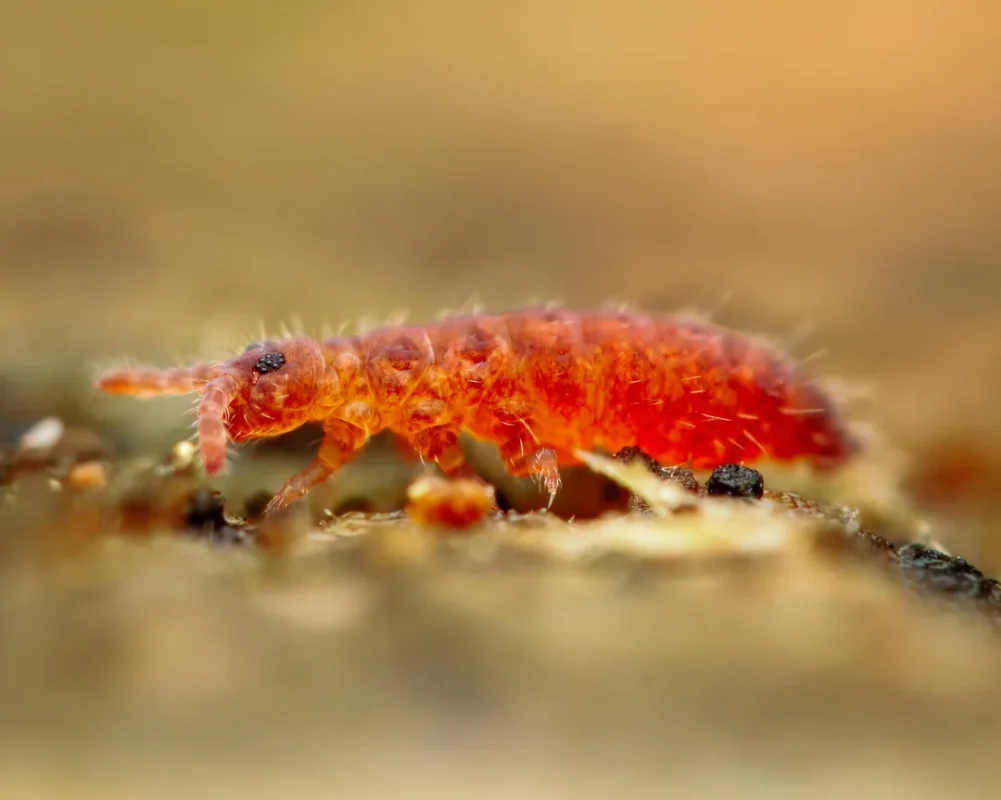
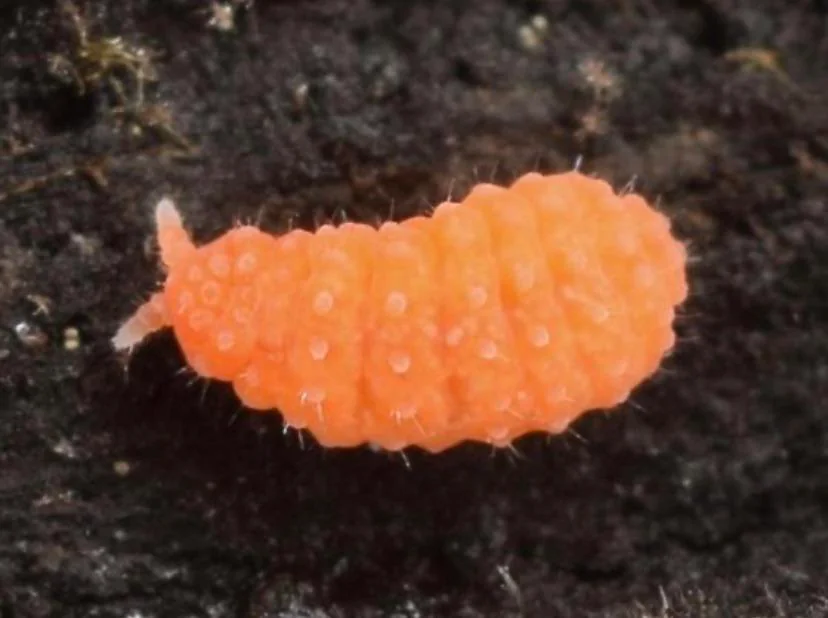
Collembola sp. Tropical Yellow Springtails — Prolific Tropical Bioactive Substrate Kit
Price range: $25.00 through $350.00
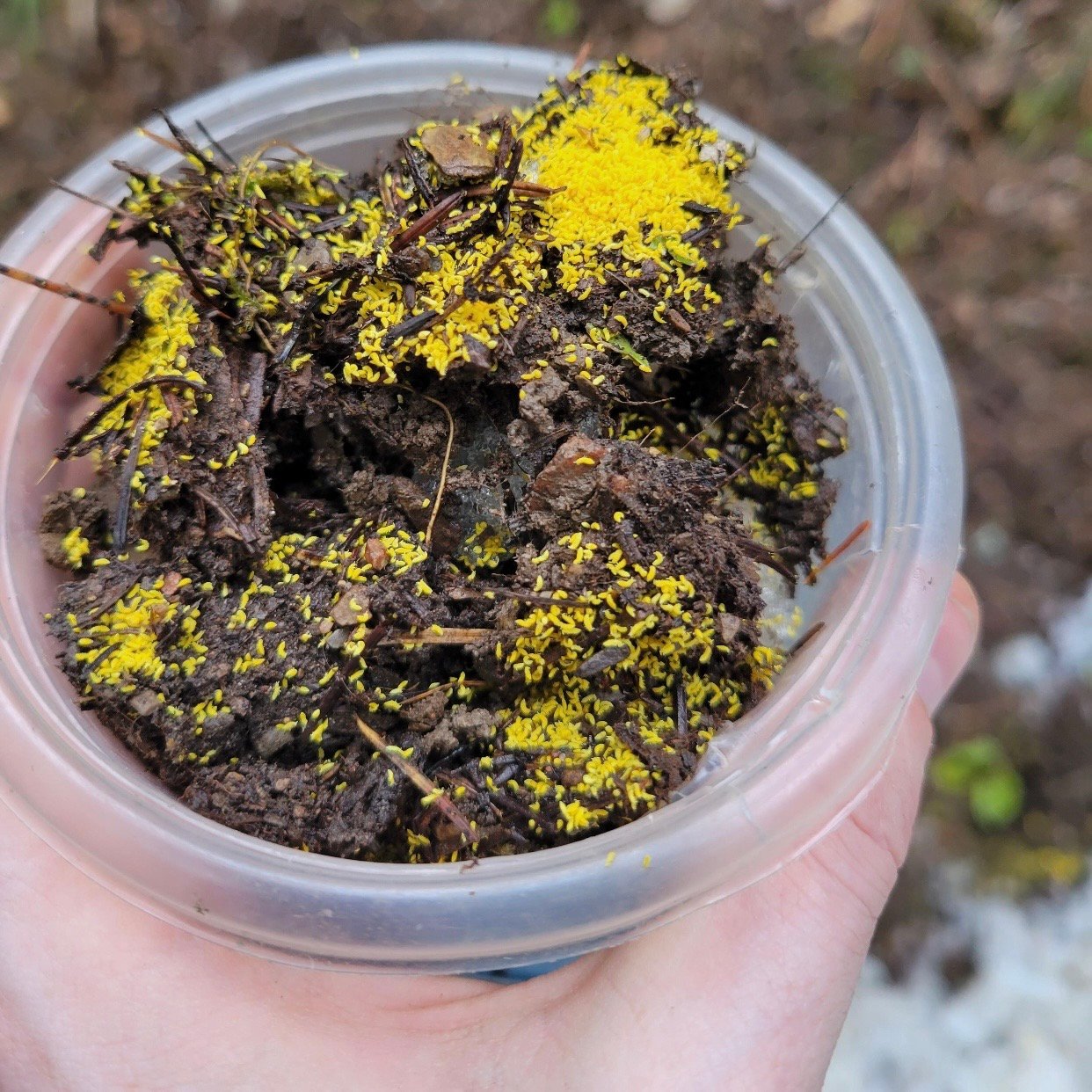
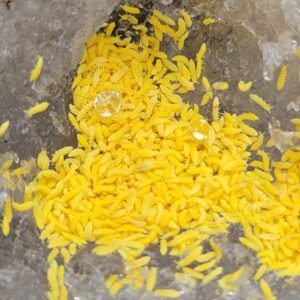
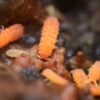
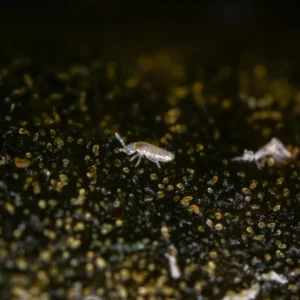
Buy Collembola sp. “Yellow” — Tropical Yellow Springtails is a bright vivid yellow albino morph of the Ceratophysella genus, selectively bred from naturally occurring albino individuals isolated from lilac cultures.
Bold, warm, and immediately visible against dark tropical substrate is the only tropical springtail whose colony health, feeding behaviour, and mold response can be monitored at a glance without disturbing the enclosure.
Fast-reproducing, wide-tolerance, and particularly responsive to surface mold blooms.
Excellent live feeder for dart frogs and small tropical predators.
Beginner-friendly and raised in-house with a live arrival guarantee.
Select your quantity below.
Tropical Yellow Springtails Culture — Prolific Bioactive Species (Collembola sp. “Yellow”)
Collembola sp. “Yellow” — known in the hobby as the Yellow Albino Springtail is a bright, vivid yellow morph of the Ceratophysella genus, the same family as the Tropical Lilac Springtail but expressing a completely different colour expression: bold, warm, and immediately striking against the dark organic substrates of any tropical vivarium.
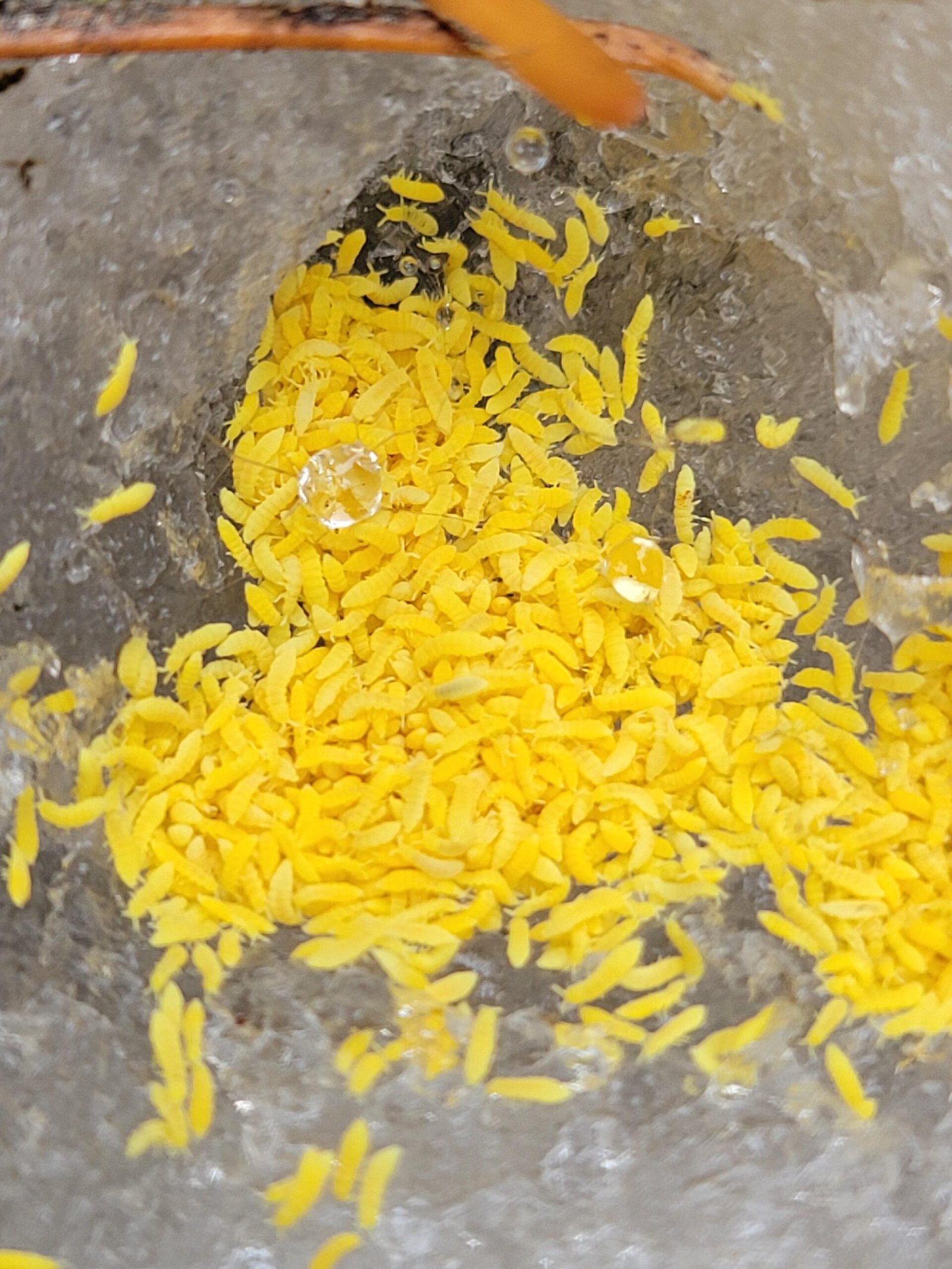
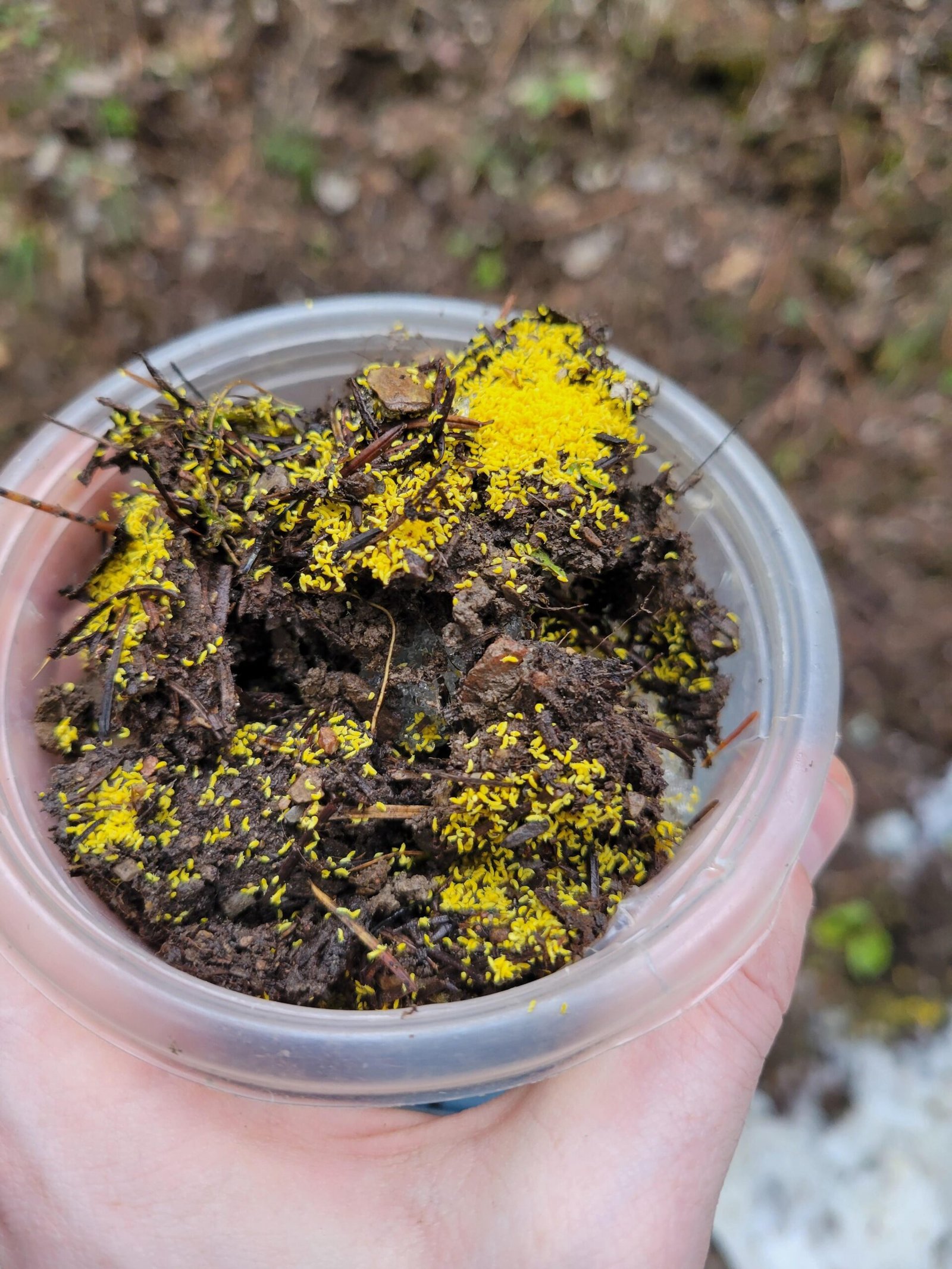
Where white springtails vanish into substrate and lilac springtails shimmer in groups, the Yellow stands out as individual animals with each one a tiny point of vivid yellow clearly visible to the naked eye, making colony health monitoring, feeding behaviour, and enclosure activity easier to observe than with any other small springtail species.
This is the springtail that lets you actually watch your cleanup crew work.
The Origin of the Yellow — A Remarkable Breeding Story
The Tropical Yellow Springtail has an origin story unlike any other species in the hobby.
The yellow colour is an albino morph; a naturally occurring genetic variant that appears spontaneously within Ceratophysella cultures, typically alongside the lilac-purple wild type.
Dedicated breeders identified these pale yellow individuals within their lilac colonies and isolated them, individual by individual, to establish a stable, true-breeding yellow culture line.
The result is a springtail that carries the same compact Ceratophysella body form, the same prolific reproduction, and the same wide tropical tolerance as the Lilac but expressing a completely different and uniquely vivid colour that the original purple line cannot produce on its own.
A natural genetic variant, selectively maintained into a distinct and genuinely beautiful culture.
- Bright vivid yellow colouration — bold and immediately striking; warm, saturated, and clearly visible against dark substrate, coco fibre, organic soil, and leaf litter
- Compact chubby Ceratophysella body form — the same plump, robust Hypogastruridae body shape as the Lilac; distinctly round and approachable rather than elongated
- Albino gene expression — the yellow colouration is a true albino morph; pigmentation is absent and the warm yellow body colour comes from the animal’s internal tissues visible through a translucent cuticle
- Real-time colony monitoring — the vivid yellow makes population health immediately visible; you can assess colony size, activity, and distribution at a glance without digging through substrate
- More surface-oriented than standard white springtails — quicker to respond to mold blooms and fungal growth at the surface layer where mold is most visible and most problematic
Performance in a Tropical Bioactive Enclosure
Collembola sp. “Yellow” performs the full range of detritivore cleanup functions expected of a quality tropical springtail, with one key additional advantage as you can actually see it happening:
- Mold and fungal control — highly responsive to fungal blooms; colonies surface-orient rapidly toward mold growth and consume it before it spreads, making them particularly effective at the early-stage mold control that prevents problems before they become visible
- Organic waste processing — breaks down decaying plant matter, animal waste, uneaten food, and shed skin continuously throughout the substrate
- Nutrient cycling — converts organic waste into bioavailable soil nutrients, supporting plant health and maintaining the microbial balance of a living tropical ecosystem
- Voracious appetite — noted for a particularly active feeding drive; especially effective at clearing soft uneaten food in invertebrate enclosures before it can deteriorate into mold
- Prolific reproduction — fast-reproducing at tropical temperatures; colonies establish quickly and self-regulate to match the organic load of the enclosure without intervention
- Live feeder function — the vivid yellow colouration and active movement make them a visually stimulating live feeder for dart frogs, small geckos, micro-chameleons, and other small tropical predators
The Visibility Advantage — Why It Matters
The most underrated feature of a brightly coloured springtail culture is what it enables the keeper to do. With standard white or translucent springtails, assessing colony health requires close inspection, often disturbing the substrate. With the Tropical Yellow, everything is visible at a glance:
- Population density — visible yellow individuals across the substrate surface give an immediate, accurate read of colony size without any intervention
- Feeding behaviour — yellow animals congregating on food sources confirm feeding activity and colony health in real time
- Distribution — the spread of yellow individuals across the substrate shows whether the colony is covering the full enclosure or concentrating in specific zones
- Mold response — a sudden surge of yellow animals to a specific area of the enclosure signals a fungal bloom at that location before it becomes large enough to see directly
For keepers who actively manage their bioactive enclosures rather than simply setting and forgetting, the visibility of the Tropical Yellow is a genuine functional advantage — not just an aesthetic one.
Who Is This Species For?
- Observational keepers who actively monitor their bioactive enclosures and want a springtail culture whose population health, distribution, and feeding behaviour are visible at a glance without disturbing the substrate
- Aesthetic vivarium builders who want a warm, vivid yellow contrast against dark tropical substrate, moss, and leaf litter — the warmest colour in the Springtails Culture tropical range
- Dart frog keepers — vivid yellow colour and active movement make a highly stimulating live feeder; the colour contrast against dark vivarium substrate makes them easy for frogs to target and track
- Tropical vivarium builders — wide tolerance, prolific reproduction, and warm temperature performance make this a reliable and self-sustaining addition to any tropical bioactive setup
- Multi-species collectors completing a colour-diverse tropical cleanup crew — white, pink, lilac, and now yellow; four distinct colours, four distinct colony expressions, one complete tropical system
- Moss wall and planted build keepers — more surface-oriented and faster to respond to surface mold than deep-soil species; particularly effective in setups where mold pressure is greatest at the visible surface layer
Care Level: Beginner. The same wide tolerance, easy establishment, and prolific reproduction as the Lilac — just in a completely different and uniquely striking colour. One of the most beginner-friendly coloured springtail options available.
Care & Housing Requirements
| Parameter | Recommended Range |
|---|---|
| Temperature | 74–76°F (23–24°C) — optimal reproduction at warm tropical temps |
| Humidity | High — damp soil; moist but not waterlogged |
| Substrate | Organic soil, coco fibre, charcoal, or clay substrate |
| Diet | Tropical fish flakes, brewer’s yeast, decaying plant matter, spirulina |
| Enclosure | Secure-lidded container with ventilation |
| Care Level | Beginner |
Feeding note: Collembola sp. “Yellow” is noted for a particularly voracious appetite most especially effective at clearing soft uneaten food before it deteriorates.
Feed small amounts regularly rather than large amounts infrequently; the colony’s yellow visibility makes it easy to confirm feeding activity after each addition.
High moisture care note: Yellow Albino springtails are particularly effective at maintaining microbial balance during high-moisture periods such as after misting; when mold pressure spikes and other species may struggle to keep pace.
Their surface orientation and rapid mold response make them especially valuable in heavily misted tropical builds.
What’s Included
Each culture contains approximately 50 Collembola sp. “Yellow” springtails, including adults and juveniles displaying the characteristic vivid yellow colouration, raised in-house at Springtails Culture on organic substrate at tropical temperatures and shipped with our arrival guarantee.
Select your preferred quantity at checkout. All cultures are active, counted by estimation, and packed with care.
| Quantity | Best For |
|---|---|
| 50 springtails | Single tropical vivarium or starter culture |
| 100 springtails | 1–2 tropical or dart frog enclosures |
| 150 springtails | Medium tropical builds or completing a colour-diverse crew |
| 200 springtails | Multiple tropical enclosures or a high-visibility cleanup system |
| 250 springtails | Large vivariums or serious colour-diverse collectors |
| 500 springtails | Breeders, feeder cultures, and multi-tank tropical keepers |
| 1,000 springtails | Wholesale supply — best value per springtail |
Complete the Colour-Diverse Tropical Cleanup Crew
Pair Collembola sp. “Yellow” with Ceratophysella sp. “Lilac” (Tropical Lilac), Coecobrya tenebricosa (Tropical Pink Large Form), and Tropical White (Collembola sp.) for the most visually spectacular and ecologically complete tropical cleanup crew available anywhere in the hobby; four species, four distinct colours, four complementary ecological roles across every substrate layer of your tropical vivarium.
White in the deep soil, pink at the surface, lilac in dense colony clusters, yellow clearly visible at the mold front.
A living, colour-diverse ecosystem that cleans itself in four distinct expressions.
Shipping & Live Arrival Guarantee
All live cultures from Springtails Culture are carefully packed and monitored throughout transit.
For our Tropical Yellow cultures, we take particular care to maintain appropriate warm, humid conditions during packaging and shipping to ensure your cultures arrive alive, active, and displaying their characteristic vivid yellow colouration.
Please note: Quantities are estimated counts. Cultures may vary slightly in number. All sales of are final — please review our Refund & Returns Policy before purchasing.
| Weight | 0.5 lbs |
|---|---|
| Species | Collembola sp. "Yellow" |
| Type | Tropical |
| Colour | Yellow |
| Difficulty | Mid |
| Temperature | 22–28°C |
| Humidity | High to moderate (65–90%) |
| Use | Cleanup crew / collector |
| Substrate | Charcoal / clay / tropical mix |
| Live arrival | Guaranteed |
| Care sheet | Included |
| quantity | 100 springtails, 1000 springtails, 150 springtails, 200 springtails, 250 springtails, 50 springtails, 500 springtails |
2 reviews for Collembola sp. Tropical Yellow Springtails — Prolific Tropical Bioactive Substrate Kit
Add a review
Related products
Temperate Springtails
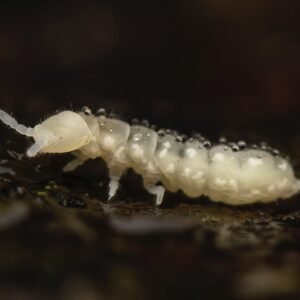
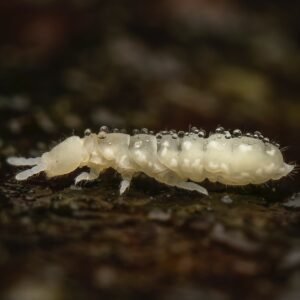
Sinella curviseta – Pink Curved Springtail Culture — Planted Vivarium Bioactive Substrate Kit
Temperate Springtails
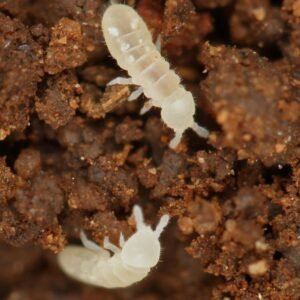
Folsomia candida White Springtail Culture | Temperate Cleanup Crew for Terrariums & Bioactive Setups
Tropical Springtails
Coecobrya tenebricosa – Tropical Pink Springtail Culture — Bioactive Microfauna Substrate Kit
Rare and Exotic Springtails
Tropical Springtails
Rare and Exotic Springtails
Rare and Exotic Springtails
Thai Red Springtails | Lobella cf. sp. Thai Red Springtail Culture | Ultra Rare Collector Species
Rare and Exotic Springtails
Lisa –
Exactly what I was looking for. The bright yellow coloration is a nice addition, and the culture arrived in excellent condition and it was more than what i ordered, did it multiple during transit or you made me happy 😆
Alex –
thank you so much for these amazing babies, now my colony looks pretty colourful. i have the tropical whites and i’m looking to add the orange ones, i need a rainbow in my terrarium 😍😍😍