
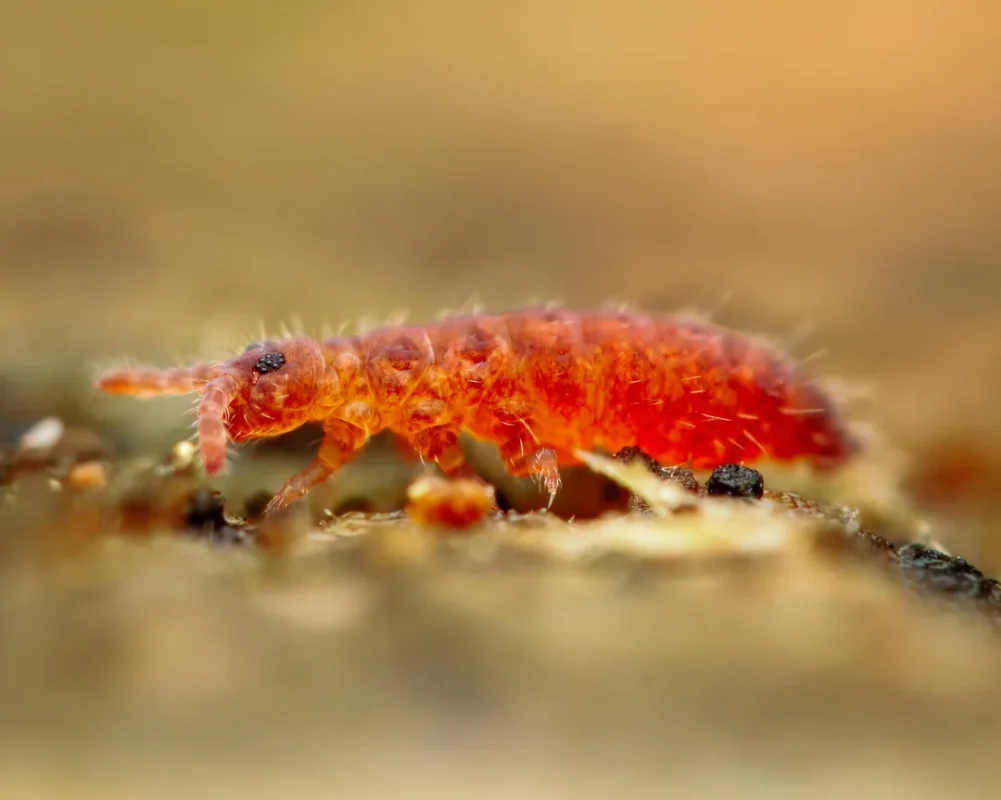
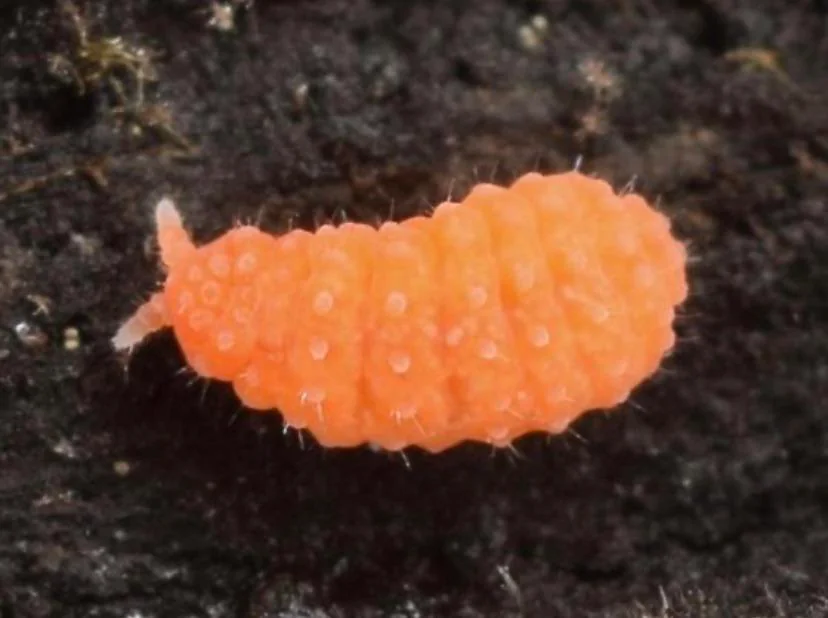
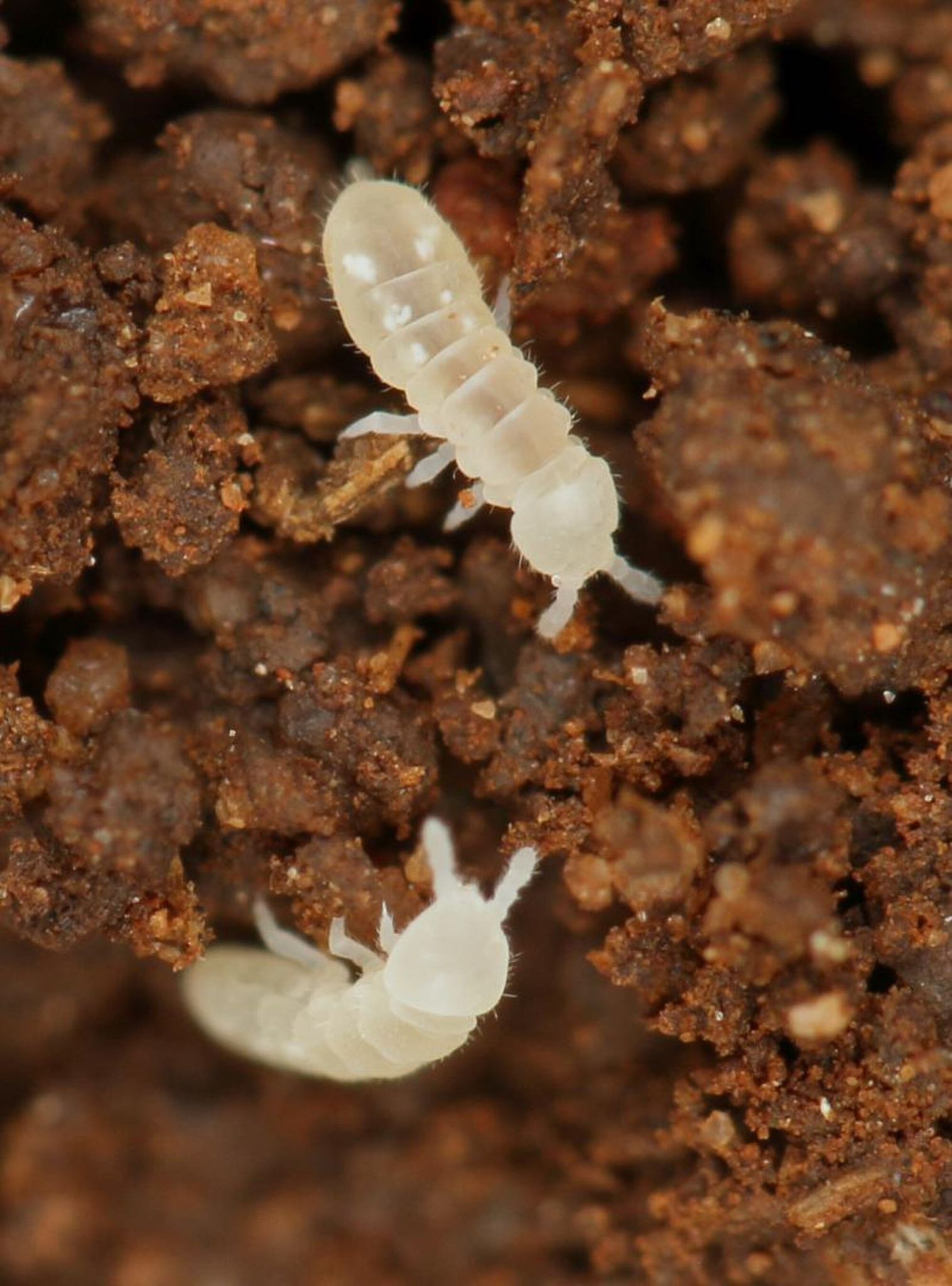
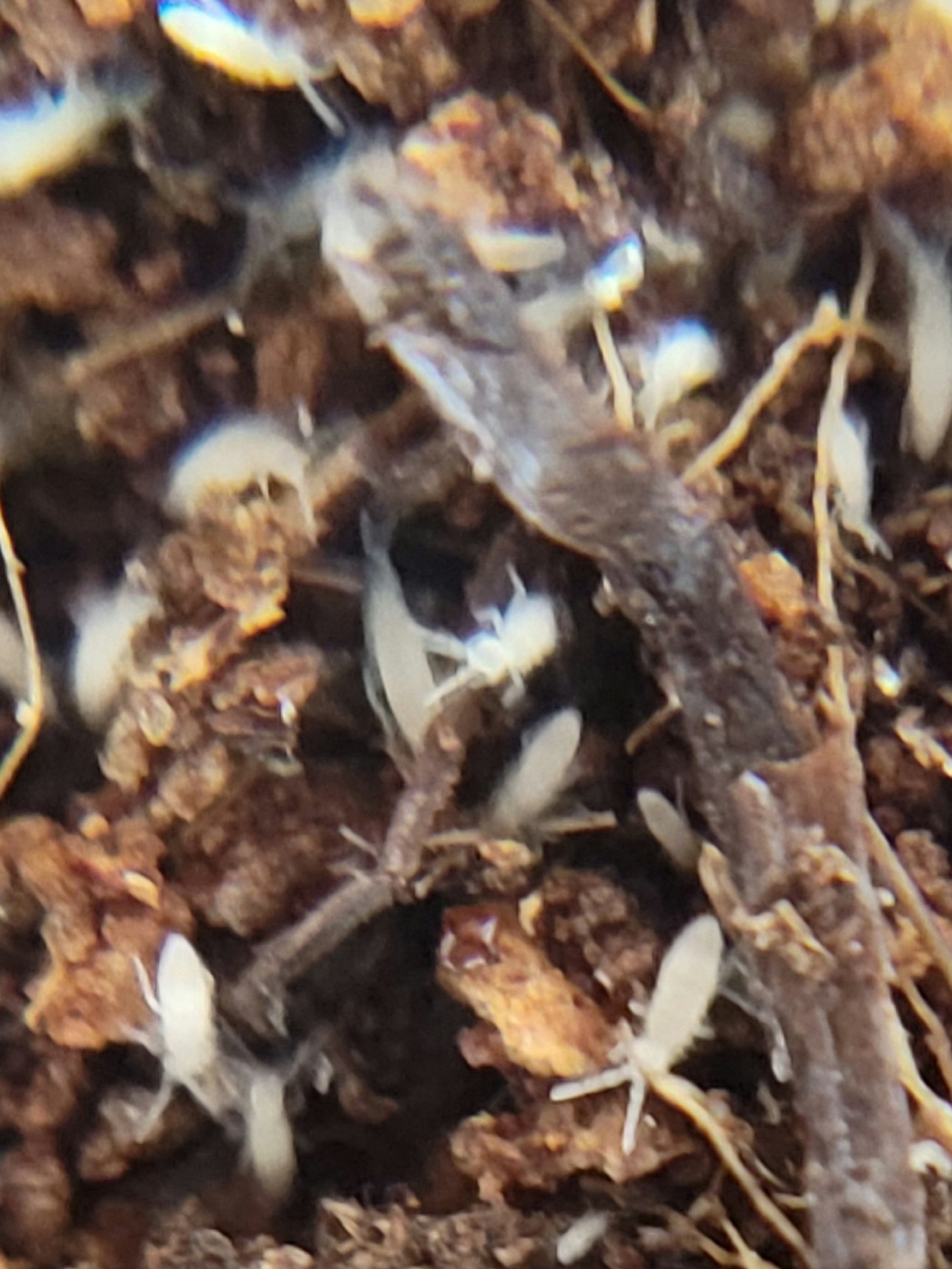
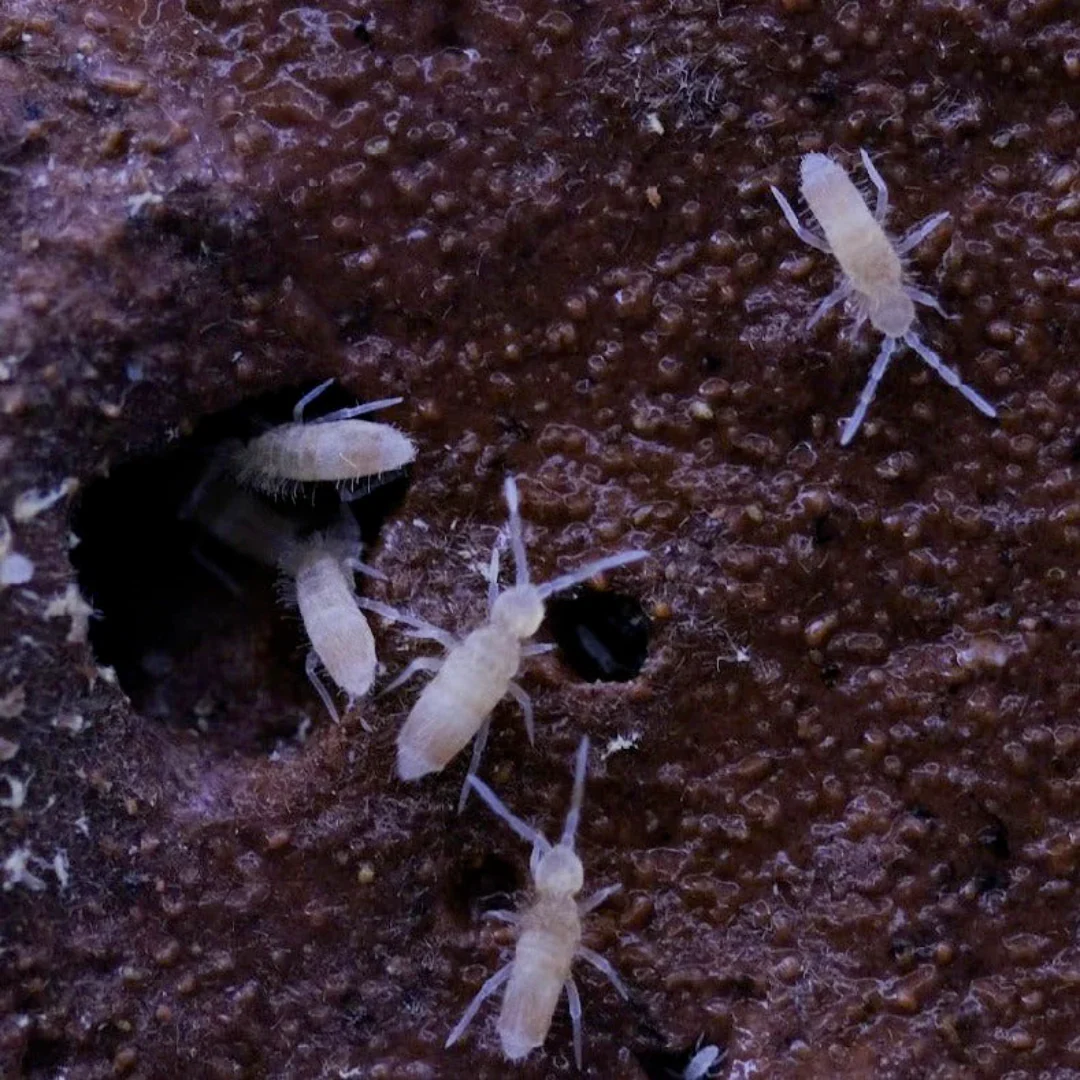
Coecobrya tenebricosa – Tropical Pink Springtail Culture — Bioactive Microfauna Substrate Kit

Price range: $25.00 through $330.00
Buy Coecobrya tenebricosa — Tropical Pink Large Form Springtails are the larger, more impactful version of the standard pink springtail, offering noticeably bigger body size for improved vivarium visibility, more substantial live feeder value for dart frogs and tropical reptiles, and greater per-animal cleanup impact in large tropical setups.
Warm pink colouration, wide tropical tolerance, and prolific reproduction under warm humid conditions.
Beginner-friendly and dual-function bioactive cleanup crew and self-replenishing live feeder in a single culture.
Raised in-house and shipped with a live arrival guarantee.
Select your quantity below.
Coecobrya tenebricosa – Tropical Pink Large Form Springtail Culture — Bioactive Feeder & Cleanup Crew Kit
Coecobrya tenebricosa — the Tropical Pink Large Form is everything that made the standard pink springtail popular in the hobby, rebuilt at a noticeably larger body size that makes it more visible in the enclosure, more effective as a live feeder for larger amphibians and reptiles, and more impactful as a surface-level cleanup crew in high-volume tropical setups where mold pressure demands serious detritivore reinforcement.
Both species share the warm pink colouration and tropical high-performance traits that have made pink springtails a staple of the bioactive vivarium world.
But size matters and C. tenebricosa delivers more of everything that makes a tropical springtail worth adding to your setup.
Large Form — What That Actually Means
The distinction between the standard pink form (Coecobrya communis, formerly Sinella curviseta) and the Large Form (Coecobrya tenebricosa) is straightforward and meaningful:
- Noticeably larger body size — C. tenebricosa is a significantly bigger animal; visible at a glance in a tropical vivarium substrate where the standard pink form would require closer inspection
- More substantial as a live feeder — the larger body size makes C. tenebricosa a more nutritionally relevant feeder for a wider range of tropical amphibians, reptiles, and invertebrates; where the standard form suits dart froglets and small juveniles, the Large Form is appropriate for adults and larger feeders too
- Greater surface coverage per individual — each larger individual processes more organic material per feeding event; in a large, heavily planted tropical vivarium, the Large Form delivers proportionally more cleanup impact per animal in the colony
- More visible in the enclosure — large enough to follow visually in a dark tropical substrate, making the colony’s activity more observable and the enclosure more dynamic
Same pink colouration. Same tropical high-performance traits. Significantly bigger animal.
Why Tropical Pink Large Form Belongs in Your Vivarium
Coecobrya tenebricosa is native to the warm, humid tropical forest floors of Southeast Asia precisely the ecosystem that the best tropical vivariums, dart frog enclosures, and planted tropical builds are designed to replicate.
It thrives in the same conditions that your tropical enclosure creates naturally: warm temperatures, consistently high humidity, rich organic substrate, and dense plant coverage providing shelter and microclimatic variety.
As a surface-active detritivore, C. tenebricosa works across the visible layers of the enclosure:
- Mold and fungal control — feeds continuously on mold spores, fungal hyphae, and bacterial biofilm across the substrate surface and litter layer; highly effective in the warm, humid conditions where tropical mold pressure is greatest
- Organic waste processing — breaks down decaying plant matter, animal waste, uneaten food, and shed skin rapidly in tropical temperatures where decomposition accelerates
- Nutrient cycling — converts organic waste into bioavailable substrate nutrients, supporting plant health and maintaining the microbial balance of a living tropical ecosystem
- Soil aeration — continuous surface movement and substrate activity improves oxygen flow and substrate structure, benefiting plant roots and preventing anaerobic zones
- Live feeder function — their larger body size, active movement, and tropical pink colouration make them a stimulating, nutritionally valuable live feeder for dart frogs, small geckos, pygmy chameleons, tropical fish, newts, and small invertebrates
The Live Feeder Advantage
The dual feeder-and-cleanup-crew function is where C. tenebricosa Large Form genuinely excels over smaller springtail species.
In a vivarium housing dart frogs, pygmy chameleons, or other small tropical predators that hunt by movement and colour contrast, larger prey items are:
- More visible and stimulating hunting targets
- More nutritionally substantial per feeding event
- More easily tracked and consumed by adult animals who have outgrown the very smallest springtail sizes
C. tenebricosa Large Form delivers all three advantages while simultaneously maintaining its cleanup crew function throughout the enclosure meaning every individual in the colony is either cleaning your vivarium or feeding your animals, with no wasted resource in either direction.
Self-replenishing feeder supply: Once established in a tropical vivarium, a healthy C. tenebricosa colony reproduces continuously at tropical temperatures — providing a perpetually self-renewing live feeder population that never needs to be reordered as long as the enclosure conditions remain appropriate.
Who Is This Species For?
- Dart frog keepers — the primary audience for this species; a larger, more substantial springtail for adult frogs who have outgrown the smallest feeders, providing both live prey and a self-sustaining vivarium cleanup crew
- Tropical reptile and gecko keepers — larger body size makes C. tenebricosa a viable feeder for crested geckos, day geckos, pygmy chameleons, and other small tropical predators
- Large tropical vivarium builders — high-volume planted setups where the scale of the enclosure demands a larger, more impactful cleanup crew than the standard small pink form
- Upgrade seekers — keepers who have used Sinella curviseta and want the next level of pink springtail performance without changing species family or care requirements
- Aesthetic builders — the larger pink body is more visible and provides a more dynamic, lively substrate-level visual experience in a dark tropical vivarium
- High-humidity specialist setups — dart frog vivariums, tropical paludariums, and densely planted enclosures where mold pressure is highest and cleanup crew performance matters most
Care Level: Beginner. C. tenebricosa is a forgiving, wide-tolerance tropical species that establishes quickly and reproduces reliably under appropriate warm, humid conditions. An excellent choice for both first-time and experienced tropical vivarium keepers.
Care & Housing Requirements
| Parameter | Recommended Range |
|---|---|
| Temperature | 72–80°F (22–27°C) — optimal at ~74°F for maximum reproduction |
| Humidity | High — 60–80% relative humidity; moist substrate, regular misting |
| Substrate | Moist organic soil, coco fibre, leaf litter, or sphagnum moss |
| Diet | Decaying plant matter, mold, fungi, brewer’s yeast, rice grains, springtail food |
| Enclosure | Secure-lidded container with good ventilation — active surface runners |
| Care Level | Beginner |
Key care note: Do not overfeed. Excess food in a sealed culture can trigger carbon dioxide build-up that will crash a colony quickly.
Add small amounts of food regularly rather than large amounts infrequently; a light weekly feeding of brewer’s yeast or springtail food is sufficient for a healthy, growing culture.
Seeding tip: Introduce C. tenebricosa to your tropical vivarium 3–5 weeks before adding animal inhabitants to allow the colony to reach functional population density before the organic load of cultures is introduced.
What’s Included
Each culture contains approximately 50 Coecobrya tenebricosa Large Form springtails, including adults and juveniles, raised in-house at Springtails Culture on organic soil substrate and shipped with our live arrival guarantee.
Select your preferred quantity at checkout.
All cultures are active, counted by estimation, and packed with care.
The Ultimate Tropical Cleanup Crew
For complete tropical vivarium coverage across every substrate layer, pair Coecobrya tenebricosa Large Form with Folsomia candida for deep soil mold control, and add Sinella curviseta for standard-form pink coverage across smaller microhabitats.
The Large Form works the visible surface and litter layer, S. curviseta fills smaller substrate niches, and F. candida handles the deep soil; three species, three ecological layers, one completely self-sustaining tropical cleanup system.
Shipping & Live Arrival Guarantee
All active cultures from our store are carefully packed and monitored throughout transit.
For our tropical C. tenebricosa cultures, we pay particular attention to maintaining appropriate warm, humid conditions throughout shipping to ensure your cultures arrive alive, active, and ready to establish.
Please note: Quantities are estimated counts. Cultures may vary slightly in number. All sales are final so please review our Refund & Returns Policy before purchasing.
| Weight | 0.5 lbs |
|---|---|
| Species | Species: Coecobrya tenebricosa (Large Form) |
| Type | Tropical |
| Colour | Deep pink |
| Difficulty | Mid |
| Temperature | 23–29°C |
| Humidity | High (75–90%) |
| Use | Cleanup crew / feeder / collector |
| Substrate | Charcoal / clay / tropical mix |
| Live arrival | Guaranteed |
| Care sheet | Included |
| quantity | 100 springtails, 1000 springtails, 150 springtails, 200 springtails, 250 springtails, 50 springtails, 500 springtails |
1 review for Coecobrya tenebricosa – Tropical Pink Springtail Culture — Bioactive Microfauna Substrate Kit
Add a review
Related products
Rare and Exotic Springtails
Tropical Springtails
Rare and Exotic Springtails
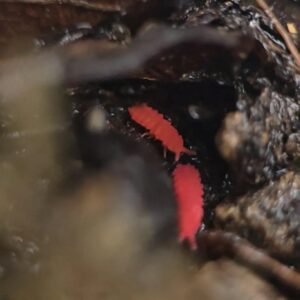
Thai Red Springtails | Lobella cf. sp. Thai Red Springtail Culture | Ultra Rare Collector Species
Tropical Springtails
Tropical Springtails
Temperate Springtails
Sinella curviseta – Pink Curved Springtail Culture — Planted Vivarium Bioactive Substrate Kit
Rare and Exotic Springtails
Neanura growae – Florida Orange Springtail Culture — Native US Tropical Bioactive Substrate Kit
Tropical Springtails
Yuukianura aphoruroides – Tropical Orange Springtail Culture — Asian Bioactive Substrate Kit
Emma G –
This was my first time keeping springtails, and the experience was great. The culture was healthy and established without any issues.