
Species Guides
Giant Springtails: Care Guide and Cleanup Crew Fit

Jul
Giant Springtails: Care Guide and Where They Fit in a Cleanup Crew
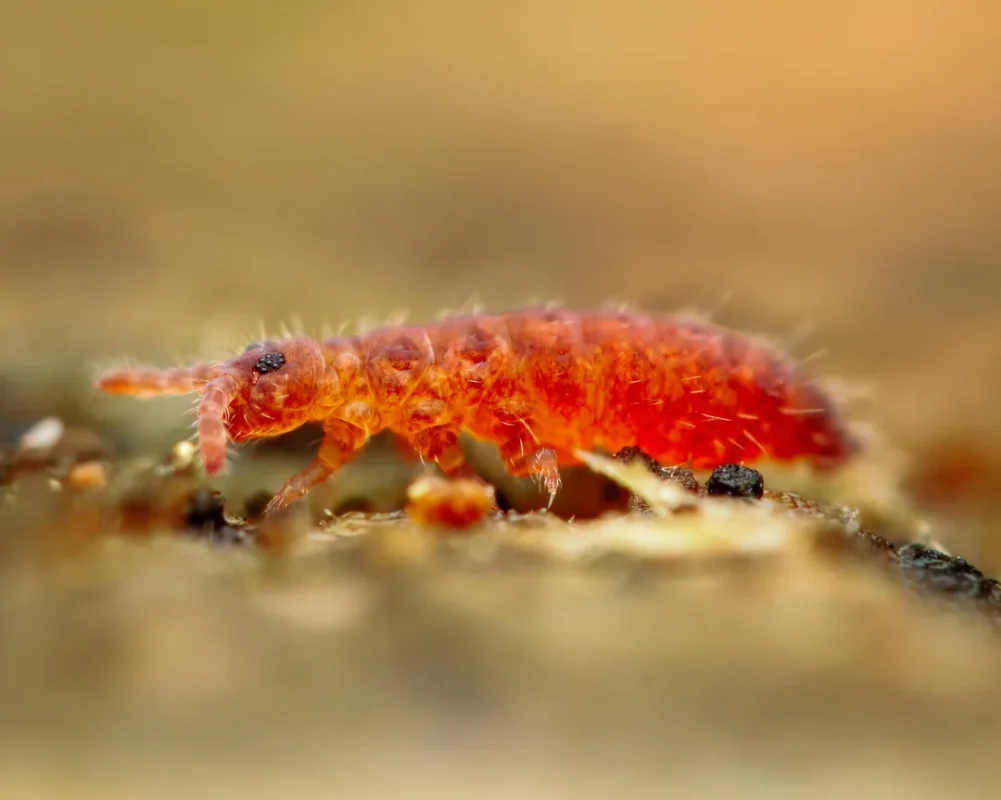
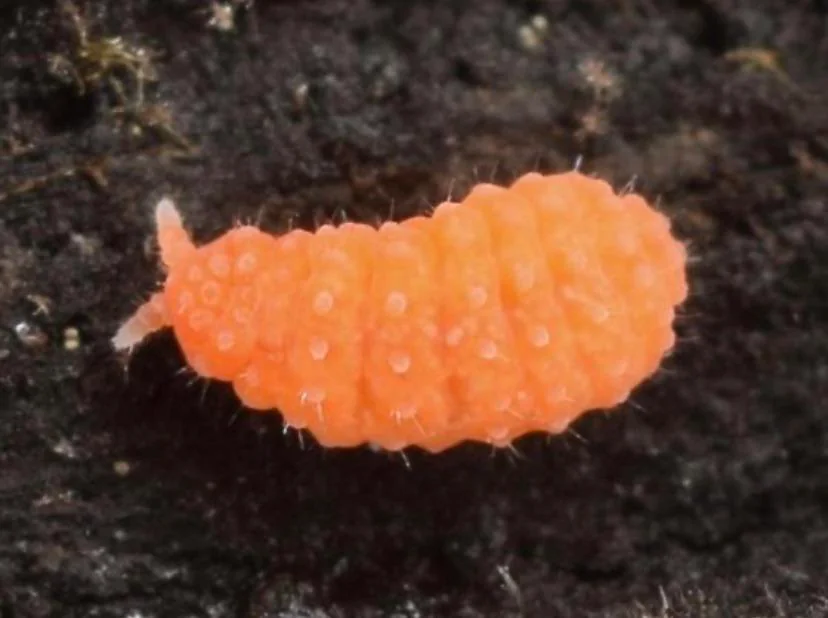
Most springtail species stay under 2mm, small enough that spotting them takes a close look at the substrate. Giant springtails break that pattern as they’re noticeably larger, easier to see moving across the enclosure, and enough of a visual departure from standard species that they’re increasingly popular in display-focused bioactive builds. This guide covers what actually sets giant springtails apart, how their care differs from standard species, and where they fit alongside the rest of a cleanup crew.
Table of Contents
1. What Makes a Springtail “Giant”
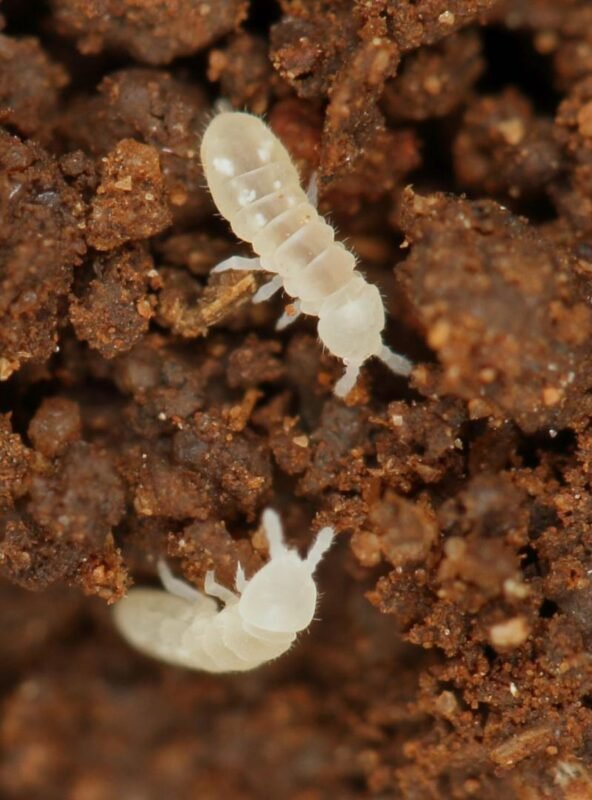
“Giant springtail” is a general hobby term applied to larger-bodied Collembola species, distinguishing them from the more common small staple species like temperate whites. While most springtails sold in the hobby measure under 2mm, giant species can reach noticeably larger sizes, making them visually distinct enough to spot easily without close inspection as a meaningful difference from standard species, which mostly go unnoticed unless you’re specifically looking for them.
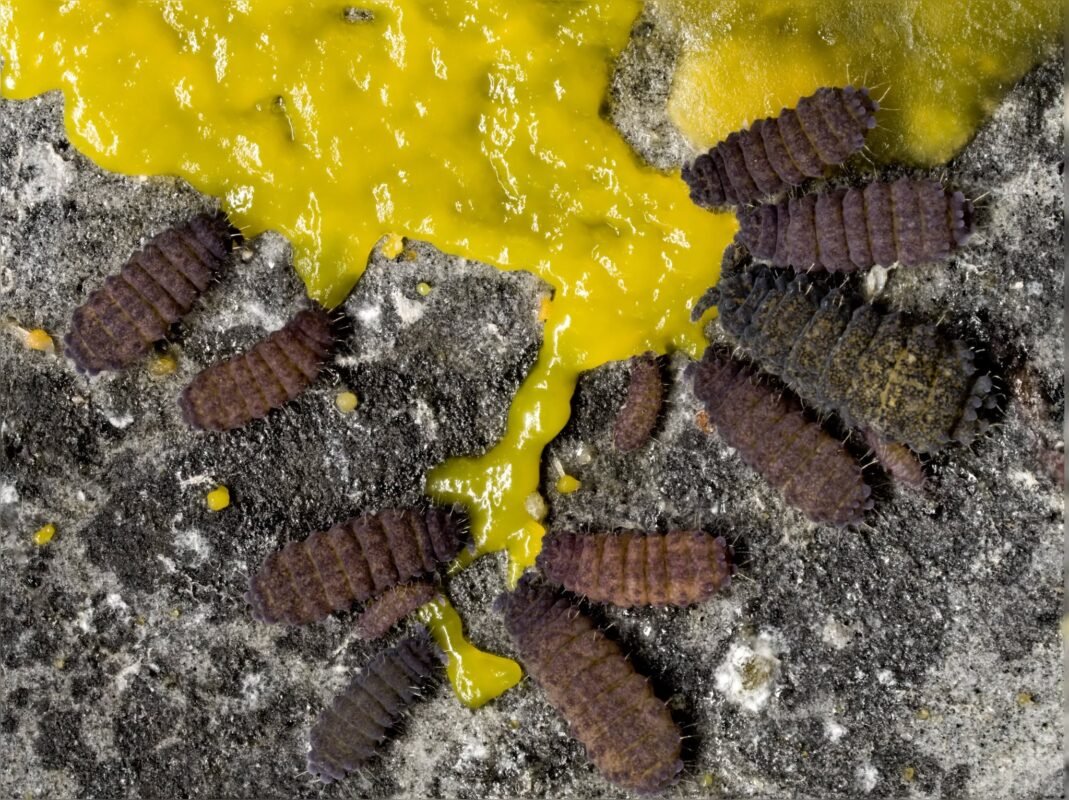
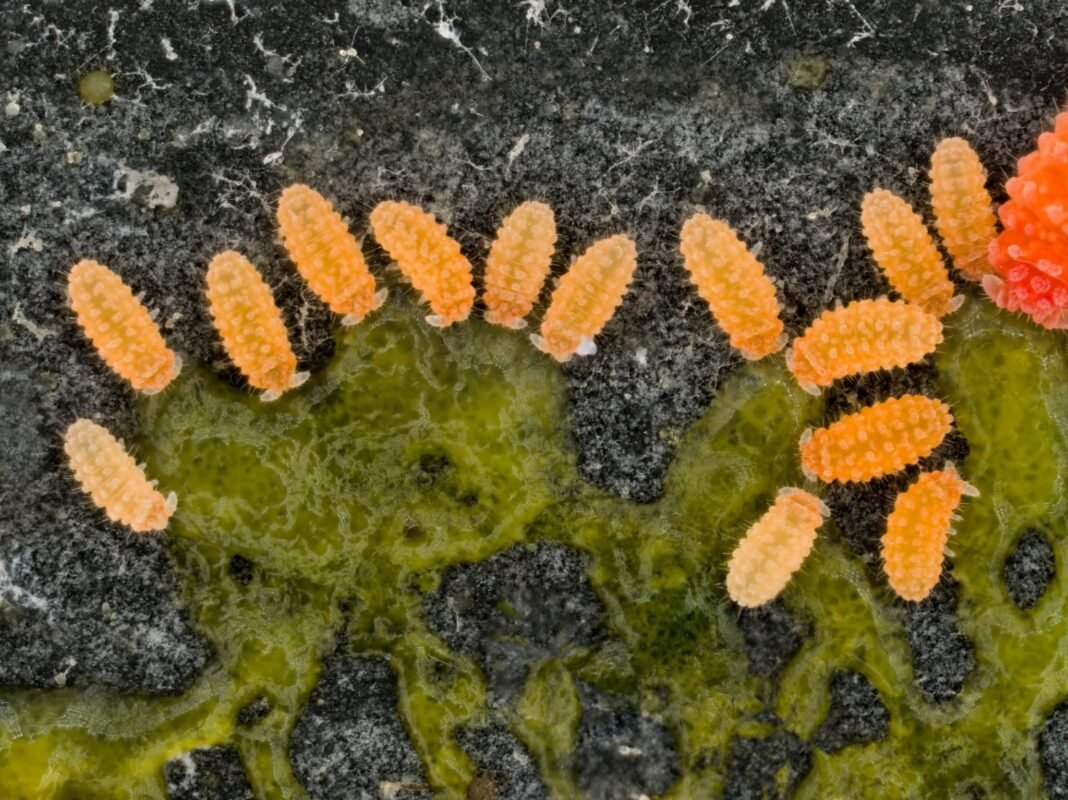
Functionally, giant springtails perform the same general cleanup role as any other springtail species which is consuming mold, fungal growth, and organic debris but their larger size changes a few practical aspects of care and enclosure fit, covered below.
2. Size and Visual Comparison to Standard Springtails
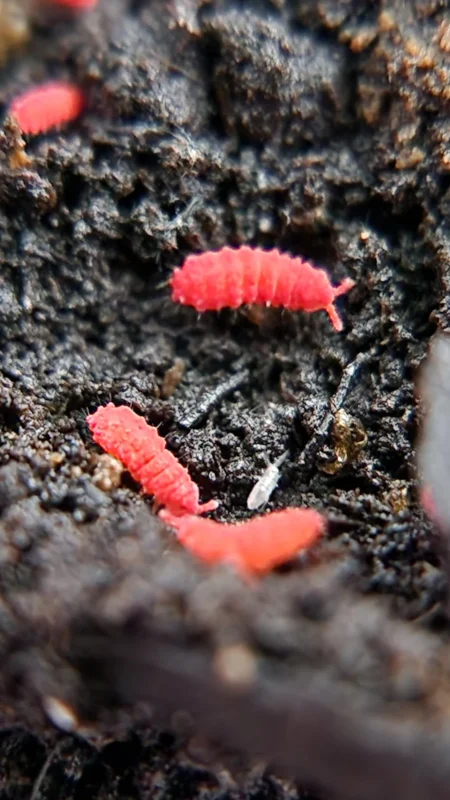
Where a standard temperate or tropical springtail is easy to overlook even when actively searching the substrate, giant springtails are immediately visible moving across open substrate or décor. This makes them a genuinely different proposition for keepers who want their cleanup crew to be part of the enclosure’s visual interest, rather than purely functional and unseen similar in spirit to why color-morph species like Thai Red or Tropical Pink springtails have become popular in dart frog vivariums, covered in our dart frog feeding guide, though giant species stand out through size rather than color.
3. Temperature and Humidity Needs
Giant springtail care follows the same core principles as any other springtail species with consistent moisture, appropriate temperature for the specific species, light and infrequent feeding but it’s worth confirming whether your specific giant species falls into the temperate or tropical category, since that determines its preferred range. Our temperate vs. tropical springtails guide covers the general distinction; check your specific species’ listing for its exact preferred range, since “giant” describes size rather than temperature category, and giant species exist across both groups.
4. Feeding and General Care
Day-to-day care doesn’t differ meaningfully from standard springtail care with consistently damp medium, light feeding every one to two weeks, and a container with airflow rather than a fully sealed lid. Our full springtail care guide covers the complete routine in detail, and applies directly to giant species with no significant adjustments needed beyond matching temperature to whether your specific species is temperate or tropical.
One practical note: because giant springtails are easier to see, they’re also an easier way to visually gauge culture health at a glance compared to standard species, where population changes are harder to notice without closer inspection.
5. Do Giant Springtails Replace Standard Species?
Not necessarily, and pairing them with a standard staple species is a reasonable approach for most builds rather than treating giant springtails as a full replacement. A few considerations:
Cleanup performance is broadly comparable between giant and standard species as both consume mold and organic debris effectively. The choice between them comes down more to enclosure fit and visual preference than a meaningful difference in cleanup capability.
Population density may differ as a giant species, being larger, generally requires more substrate space per individual than a dense population of small standard springtails, which is worth factoring into your sizing guide calculations for a larger-bodied species.
Reaching tight spaces is where standard, smaller springtails may still have an edge, since their small size lets them access substrate pockets a larger-bodied species can’t reach as easily with a reasonable argument for running both together in a larger, more complex enclosure rather than choosing one exclusively.
6. Best Uses: Display Builds and Larger Enclosures
Giant springtails are a particularly good fit for:
- Display-focused bioactive builds where the cleanup crew itself is part of the intended visual interest, not just a hidden functional element
- Larger enclosures with more open substrate area, where a larger-bodied species has room to move and establish without the space constraints a smaller, more densely packed enclosure might present
- Keepers who want an easy visual health check on their cleanup crew population, since a giant species is far easier to spot and monitor than a standard small springtail
They’re less essential in very small or nano enclosures, where standard smaller species make more efficient use of the limited substrate space available.
7. Frequently Asked Questions
Are giant springtails better than standard springtails? Not better overall as cleanup performance is broadly comparable between giant and standard species. Giant springtails offer a visual advantage and easier population monitoring, while standard smaller species can access tighter substrate spaces more easily.
Can I keep giant springtails with standard springtails? Yes, pairing a giant species with a standard staple species is a reasonable approach, combining the visual and monitoring benefits of a larger species with the tight-space access of a smaller one.
Do giant springtails need different care than regular springtails? Care principles are the same with consistent moisture, appropriate temperature, and light feeding but confirm whether your specific giant species is temperate or tropical, since “giant” refers to size rather than temperature category.
Are giant springtails good for beginners? Yes, and their larger size makes them easier to monitor visually, which can actually help a beginner gauge culture health more easily than with a standard small species.
How big do giant springtails get? Size varies by specific species, but giant springtails are notably larger than the under-2mm size typical of standard staple species like temperate whites, making them clearly visible without close inspection.
How do giant springtails benefit plants? Giant springtails help keep plants healthy by breaking down organic matter, improving soil quality, controlling mold, and creating a cleaner, more balanced growing environment.
Giant springtails aren’t a fundamentally different care category as they follow the same core routine as any other springtail species but their size makes them a genuinely different fit for display builds and larger enclosures where visibility and easy monitoring matter. Browse our current giant and rare species selection, and check our full care guide to keep any species thriving long-term.
