
Bioactive Setup
5 key factors on How to Care for Springtail Culture
Jul
How to Care for Springtail Culture: Full Guide
Once a springtail culture arrives, the actual care routine is simple but “simple” isn’t the same as “flexible.” Springtails respond quickly and noticeably to small deviations in moisture, temperature, and feeding, which is why most culture problems trace back to one of a small handful of habits rather than anything complicated. This guide covers the full ongoing care routine, from day one through long-term maintenance and splitting a culture as it grows.
Table of Contents
1. The Core springtail care guide Routine at a Glance
- Moisture: consistently damp throughout the medium, never fully dry or waterlogged
- Temperature: matched to your specific species — see our temperate vs. tropical guide if you’re unsure which range applies
- Feeding: light and infrequent, roughly every one to two weeks for an established culture
- Housing: a container with airflow, not a fully airtight seal
- Splitting: done periodically as the population grows, both to prevent overcrowding and to maintain a backup
Everything below expands on these five points, since each one has a few specific details that make the difference between a thriving culture and a stalled or declining one.
2. Moisture: Getting the Balance Right
Moisture is the single most important variable in springtail care, and the most common source of problems in both directions.
Too dry: even a partially dried-out medium reduces the surface area springtails can move through and breed in, and in more severe cases causes outright decline. A culture medium that looks fine on the surface can still be dry further down, so check by touch rather than sight alone.
Too wet: a medium with standing water rather than just dampness can drown eggs and smaller individuals, and creates conditions that favor harmful bacteria or excessive mold; ironic, given that springtails are meant to help control mold rather than be undermined by it.
What to aim for: the medium should feel consistently damp throughout when you press into it lightly, without any pooling water visible at the bottom of the container. Mist lightly with clean, dechlorinated water as needed rather than pouring water in directly, which tends to overshoot into waterlogged territory.
3. Temperature: Matching Your Species
Different species have meaningfully different temperature tolerances, and getting this wrong is one of the more common and more overlooked causes of a stalled or declining culture. Temperate species (most commonly Folsomia candida) tolerate a broad range of household temperatures, while tropical species need consistently warm conditions, generally in the 75–85°F range, to perform well.
Check where your culture is actually kept, not just the general room temperature but a spot near a window, vent, or exterior wall can run meaningfully warmer or cooler than the rest of the room, even if it doesn’t feel that different to you. Our temperate vs. tropical springtails guide covers the full comparison if you’re not sure which range your species needs.
4. Feeding: How Much, How Often
Overfeeding is a far more common problem than underfeeding. Excess food that isn’t consumed quickly enough rots in the medium, which can foul conditions faster than the population can process it and creating a cycle where more feeding actually suppresses the population rather than supporting it.
General guideline: a small, light amount of food every one to two weeks is typically enough for an established culture. Yeast-based foods are a common and effective supplemental feed. If you notice uneaten food sitting for more than a few days, scale back rather than adding more on your next scheduled feeding.
A culture housed inside an active bioactive enclosure, rather than as a standalone container, often needs little to no direct supplemental feeding at all, since it’s already consuming the enclosure’s natural waste and mold as its primary food source.
5. Housing: Container Setup and Airflow
A springtail culture container needs airflow, not a fully airtight seal. A sealed container without any air exchange can build up CO2 faster than expected, which stresses or harms the population even under otherwise correct moisture and temperature conditions.
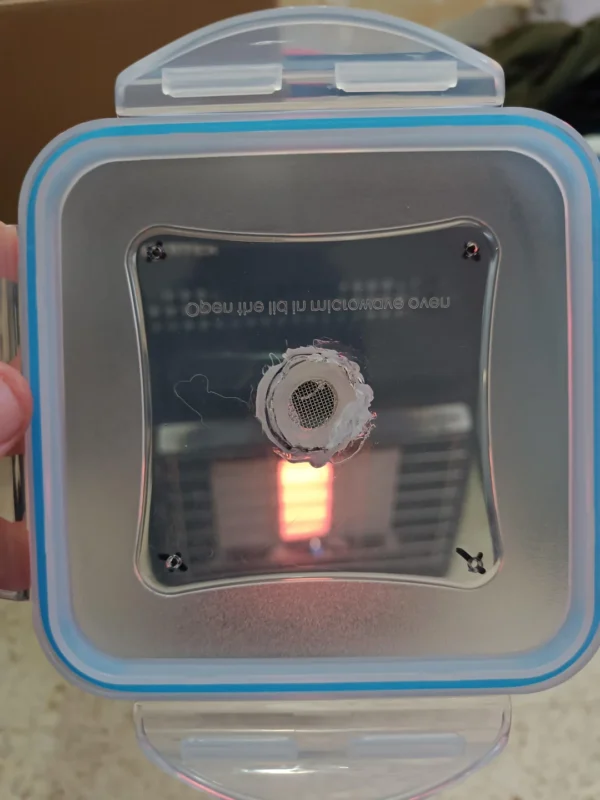
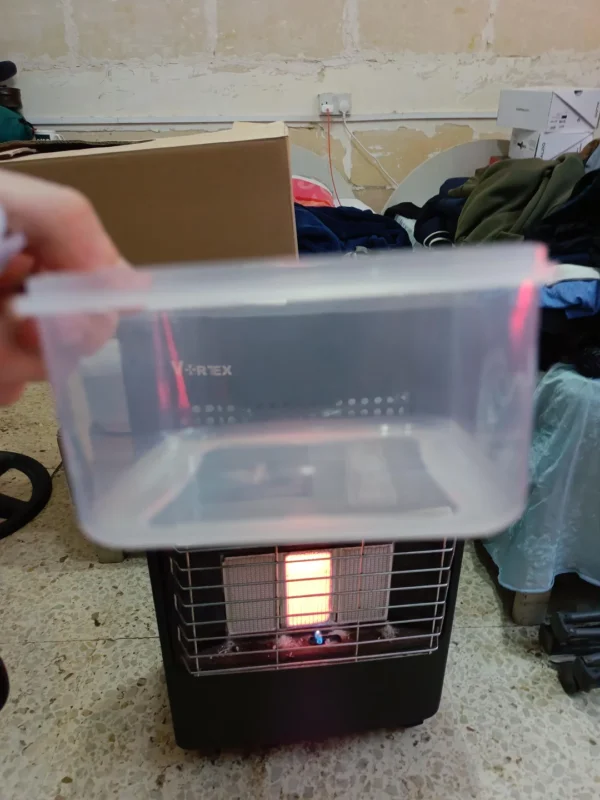
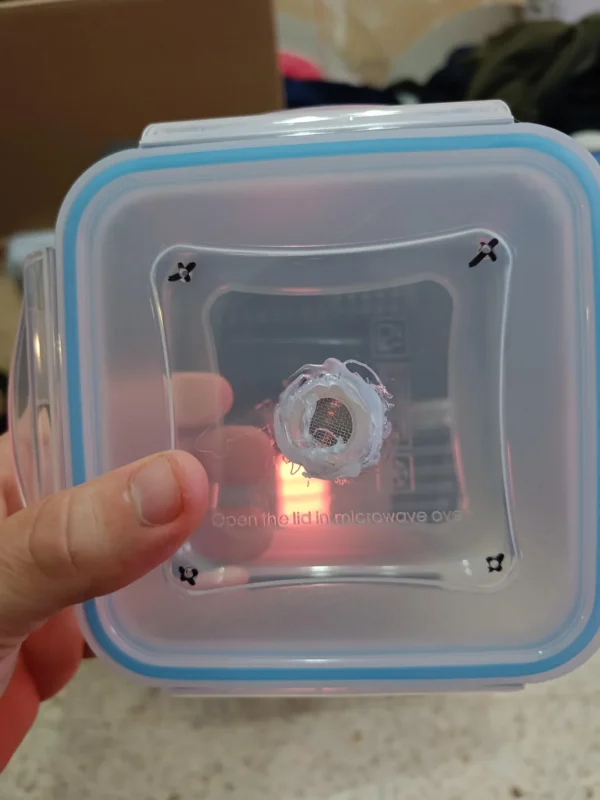
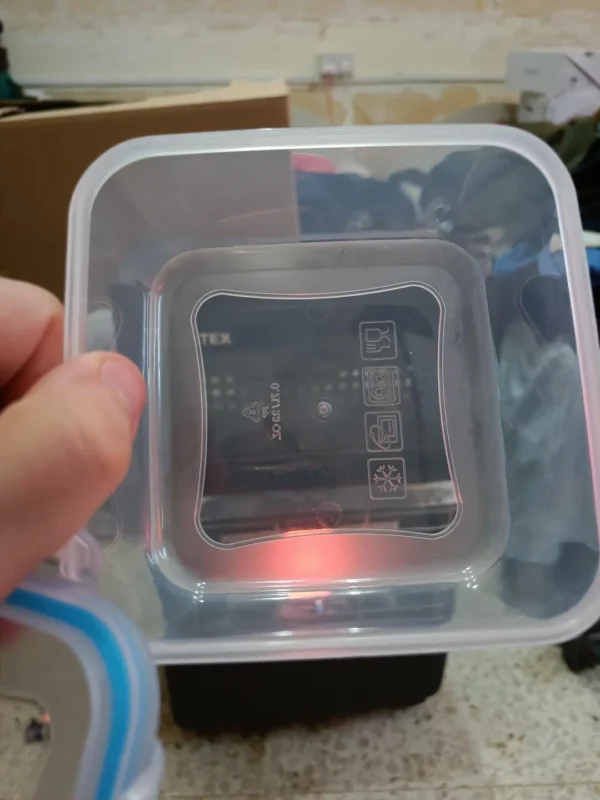
Most keepers use a container with small ventilation holes, a loosely fitted lid, or a lid that’s cracked slightly rather than fully sealed. The exact setup matters less than the underlying principle: some air exchange, but not so much that the medium dries out unusually fast as a result.
6. Splitting a Culture as It Grows
As a culture establishes and grows, splitting it serves two purposes: preventing the population from outgrowing its container, and maintaining a backup in case anything happens to the primary culture.
When to split: once a culture is visibly active and established; generally a few weeks after arrival, per the establishment period covered in our sizing guide splitting a portion into a second container, or into your enclosure directly, is a reasonable next step rather than waiting for the original container to become overcrowded.
How to split: scoop a portion of the medium along with visible springtails into a new container with fresh, appropriately moist substrate, rather than trying to separate individual springtails from the medium. The population in the new container will continue to grow from there.
Why keep a backup: a standalone backup culture is genuinely useful insurance if your primary culture (whether in an enclosure or standalone) ever runs into a moisture, temperature, or feeding issue, a healthy backup gives you an immediate source to reseed from rather than starting entirely over.
7. Signs of a Healthy Culture
- Visible movement on the medium surface and container walls, particularly near moist areas and food
- A population that appears to be steadily growing over successive weeks, even if slowly at first
- No persistent foul or ammonia-like odor from the medium
- Consistent, even dampness throughout the medium without dry patches or standing water
8. When to Reseed or Troubleshoot Instead
If your culture isn’t growing despite following the routine above, work through our springtail culture not reproducing guide for a full breakdown of the seven most common causes. If the population is actively declining rather than just stalled, or if you’re troubleshooting a full enclosure rather than a standalone culture, our bioactive terrarium crash guide covers recovery steps at the ecosystem level.
9. Frequently Asked Questions
How often should I mist my springtail culture? Mist as needed to maintain consistent dampness throughout the medium for there’s no fixed schedule, since it depends on your container, climate, and ventilation. Check by touch regularly rather than relying on a set interval.
How often should I feed my springtail culture? A small, light amount of food every one to two weeks is typically enough for an established culture. Cultures living inside an active bioactive enclosure often need little to no direct supplemental feeding, since they’re consuming the enclosure’s natural waste.
Should my springtail culture container be sealed? No, not fully. The container needs some airflow to prevent CO2 buildup, typically through small ventilation holes or a loosely fitted lid, while still retaining enough humidity to keep the medium consistently damp.
When should I split my springtail culture? Once the culture is visibly active and established, generally a few weeks after arrival, splitting a portion into a new container or into your enclosure helps prevent overcrowding and maintains a useful backup population.
Why keep a backup springtail culture? A backup culture kept separately gives you an immediate source to reseed from if your primary culture ever declines due to a moisture, temperature, or feeding issue, rather than needing to start over from scratch.
What’s the biggest mistake people make caring for springtail cultures? Overfeeding is the most common mistake as excess uneaten food rots and fouls the medium, which can suppress the population rather than support its growth, counter to what most new keepers expect.
How does caring for a springtail culture affect plants? A healthy springtail culture benefits plants by eating mold, fungi, and decaying organic matter, helping keep the soil clean and balanced. They also improve nutrient cycling and support healthy root growth, making them an excellent addition to bioactive setups and houseplant soil.
Springtail care comes down to a small set of consistent habits rather than anything technically difficult: steady moisture, matched temperature, light feeding, breathable housing, and periodic splitting as the population grows. Get those right, and most cultures are largely self-sustaining from there. Browse our full range of live springtail cultures to get started, or check our sizing guide to match a culture to your enclosure.
