
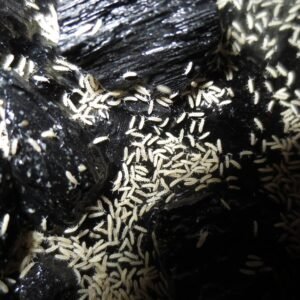
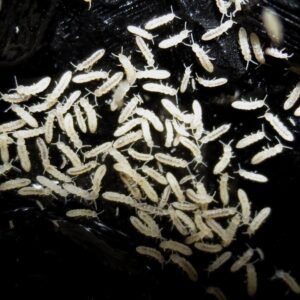
Folsomia candida White Springtail Culture | Temperate Cleanup Crew for Terrariums & Bioactive Setups
Price range: $20.00 through $275.00
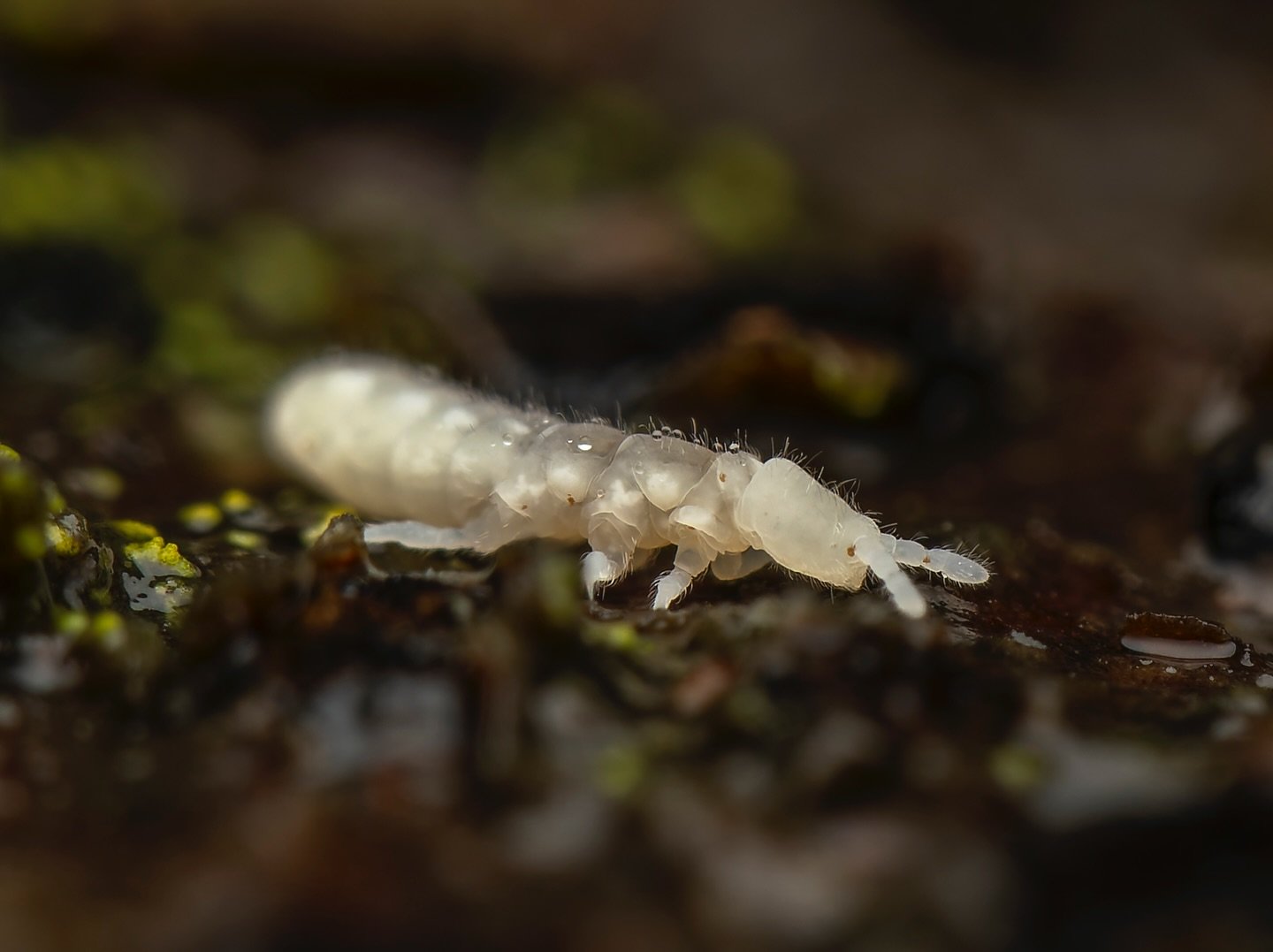
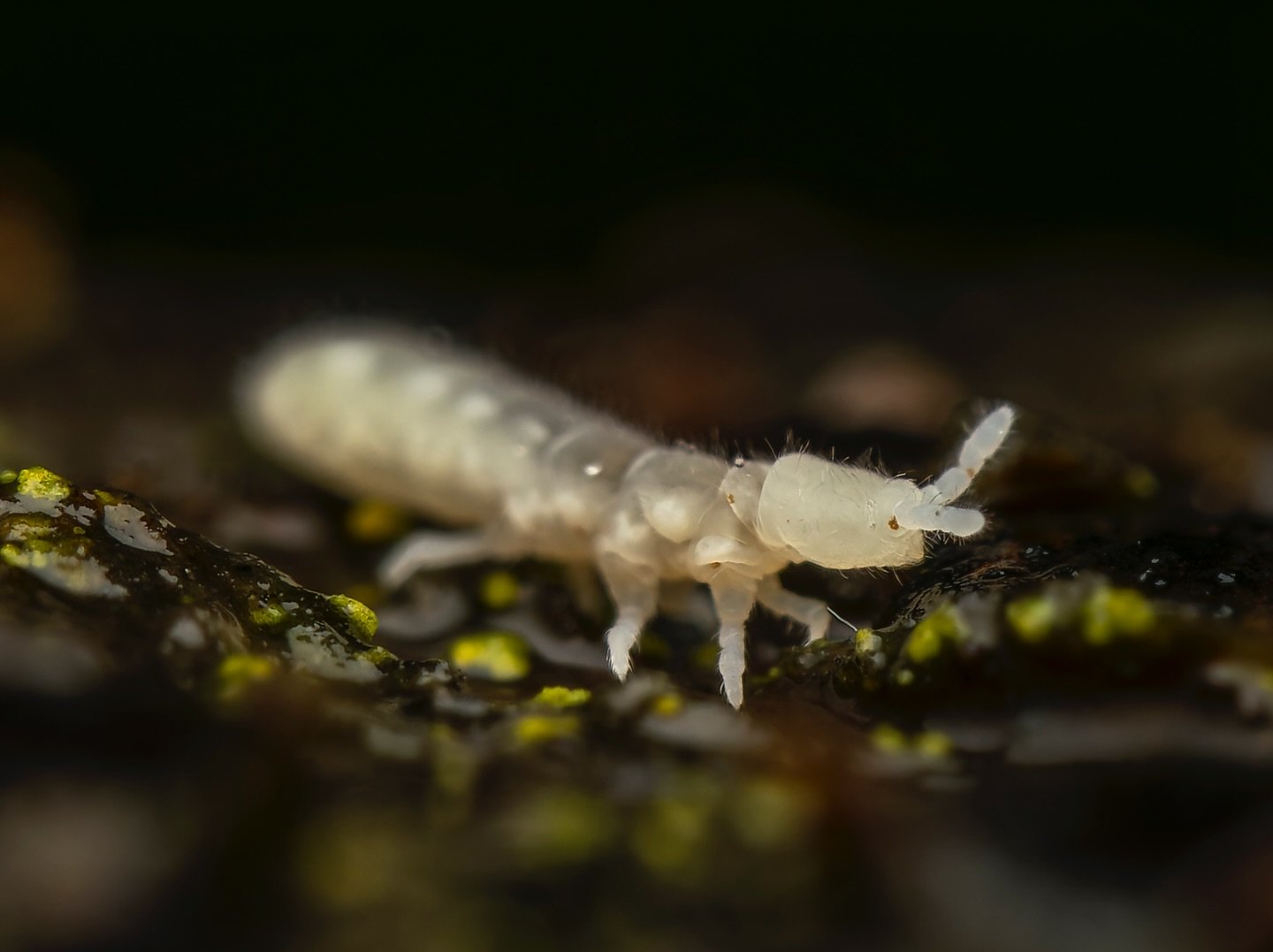
Buy Folsomia candida — the White Springtail is the most widely cultured, most scientifically documented, and most recommended springtail species in the hobby.
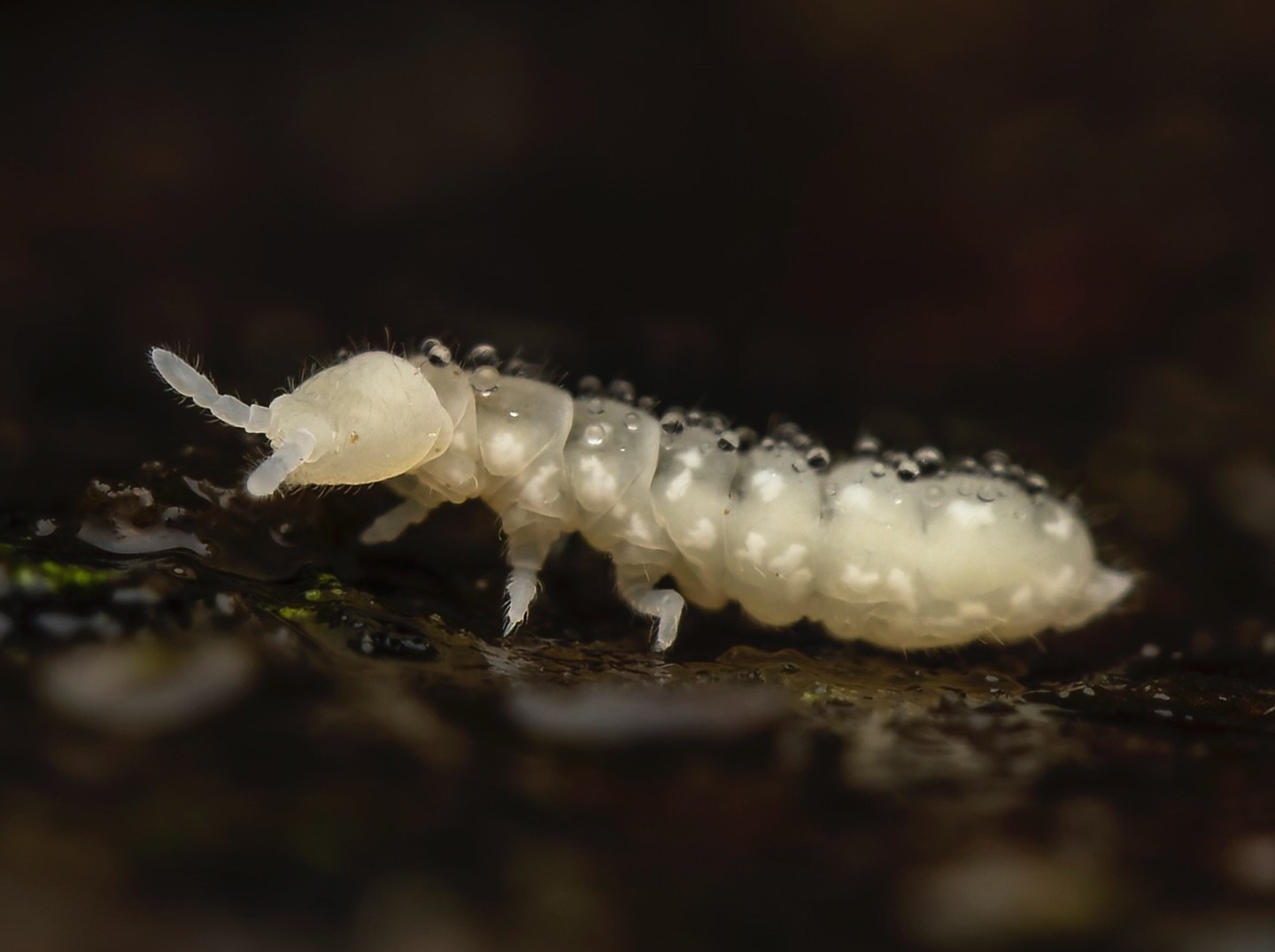
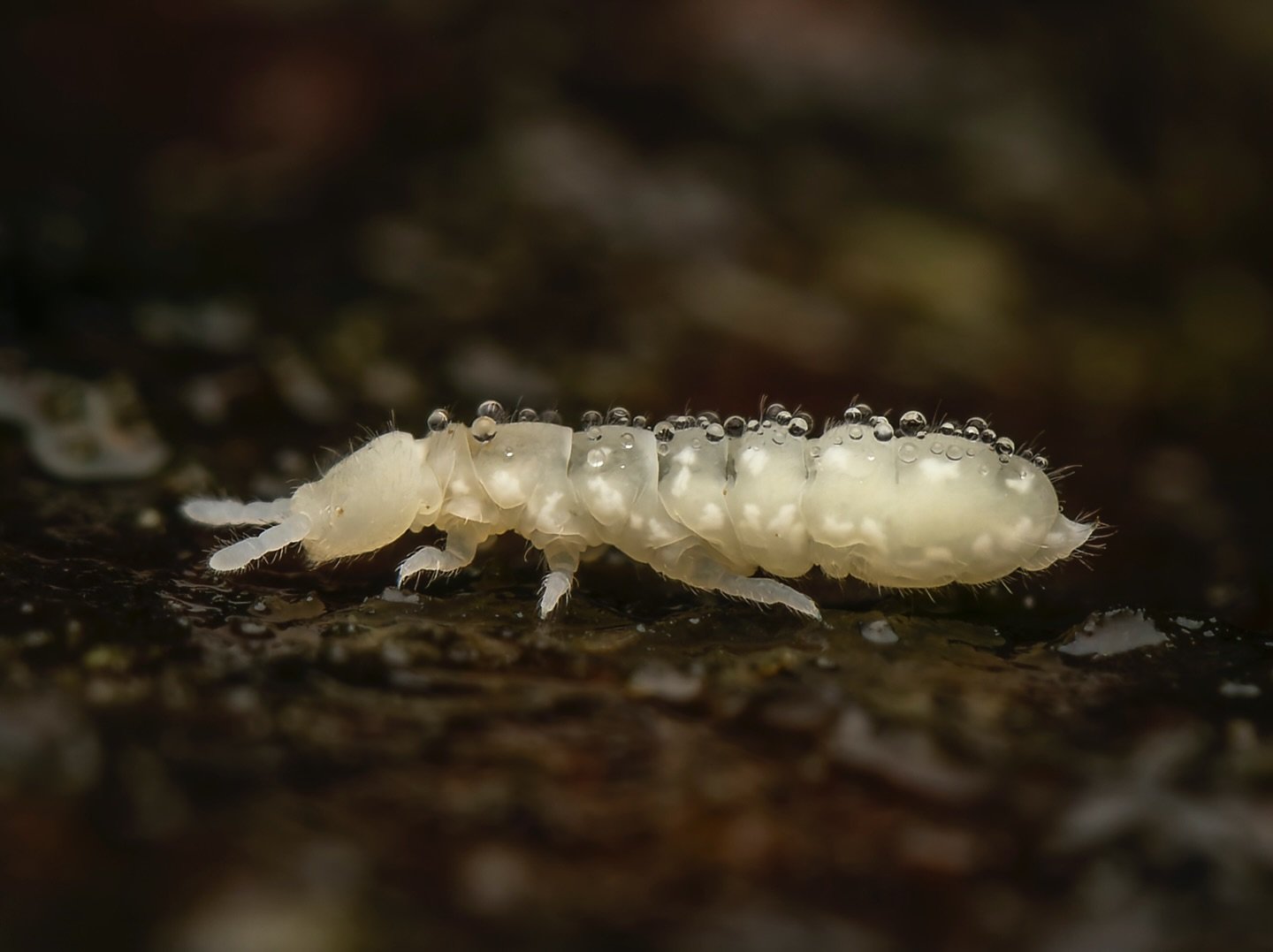
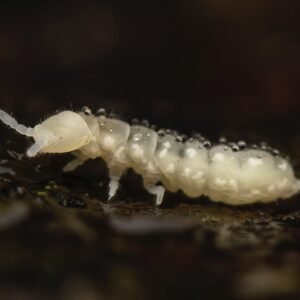
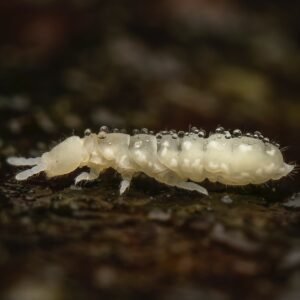
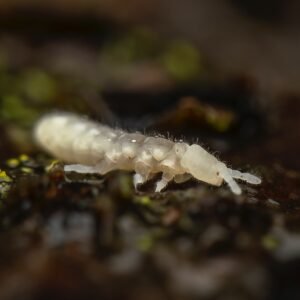
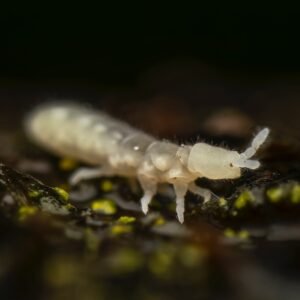
Blind, white, and substrate-dwelling, these parthenogenetic detritivores work invisibly through your terrarium soil consuming mold, processing organic waste, and cycling nutrients establishing a self-sustaining colony from a small founding culture with no intervention required.
ISO-standardised model organism in soil biology for over 40 years.
The essential foundation of every bioactive terrarium and multi-species cleanup crew.
Beginner-friendly and the most accessible culture in the Springtails Culture
Raised in-house and shipped with a live arrival guarantee.
Select your quantity below.
Folsomia candida — White Springtail Culture | Temperate Cleanup Crew for Terrariums & Bioactive Setups
Folsomia candida White Springtail is the single most widely cultured springtail species in the hobby, and it earns that reputation every time.
Blind, white, and almost entirely substrate-dwelling, these tiny decomposers stay out of sight while doing the heavy work: consuming mold spores, processing organic waste, and cycling nutrients back into the soil before problems have a chance to build up.
They thrive in the 15–22°C range that defines temperate setups, making them the go-to choice for planted terrariums, moss walls, and cool-climate reptile or amphibian enclosures.
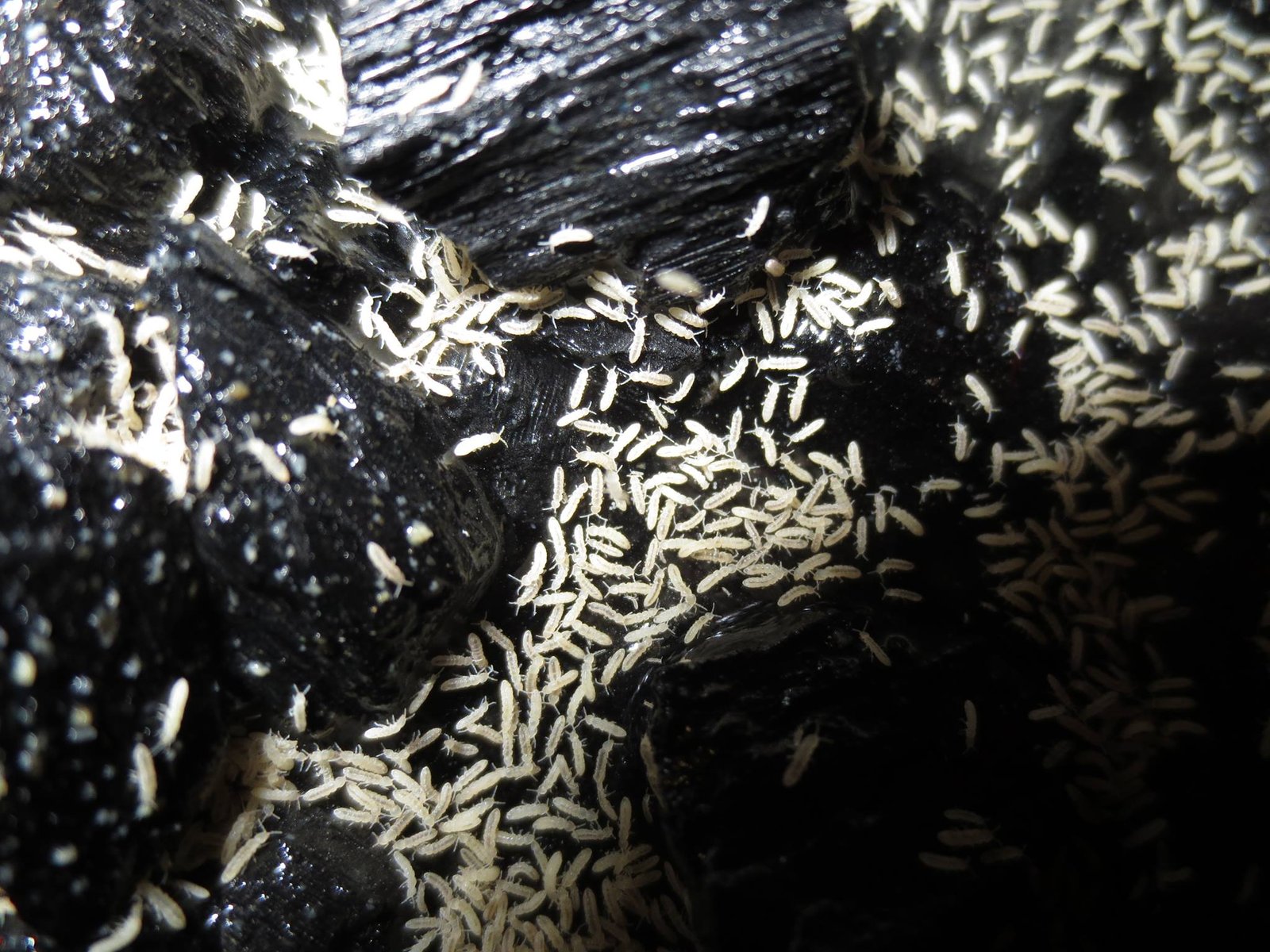
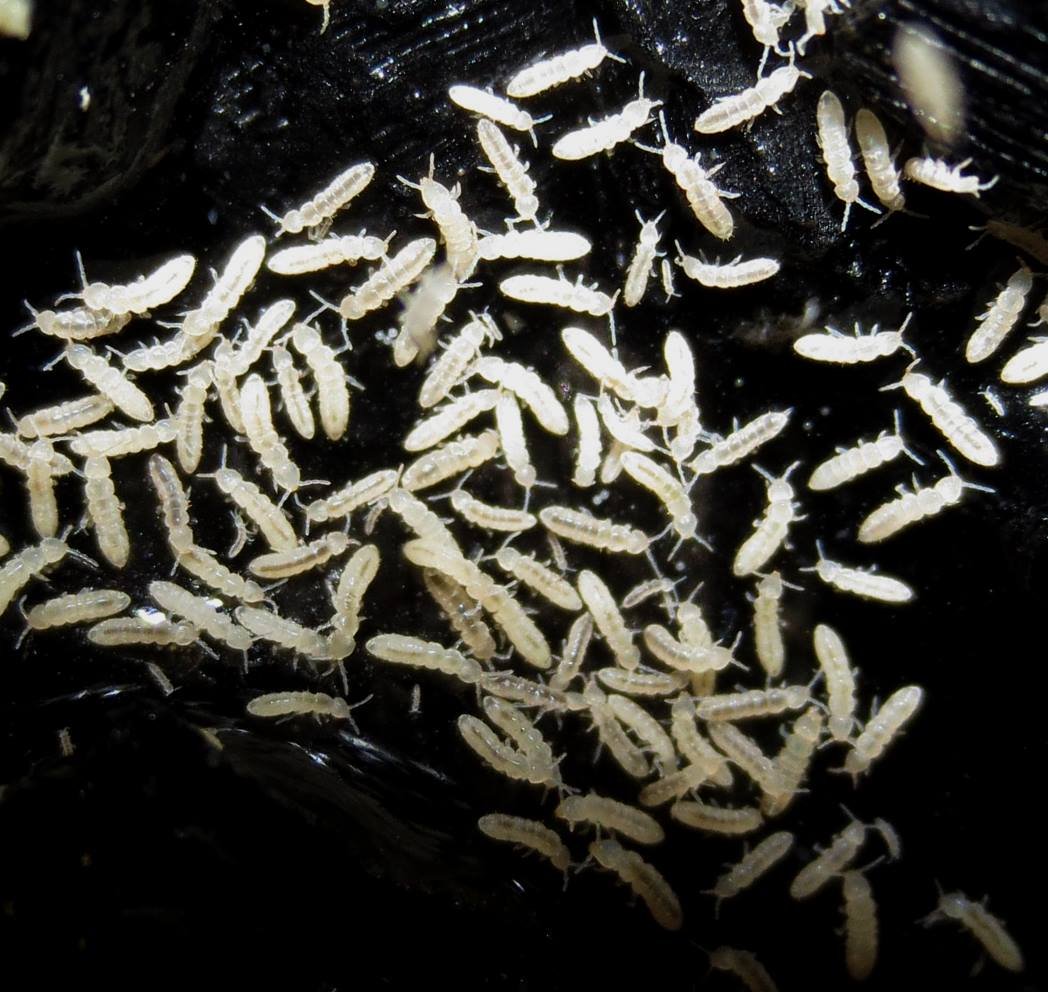
Fast-reproducing and adaptable, a well-seeded culture will establish quickly and maintain itself as a self-sustaining population with minimal input from you.
But there is more to F. candida than its reputation in the hobby.
This is also, by a considerable margin, the most scientifically studied springtail species in the world; a model organism in soil biology, ecotoxicology, and genomics research, with a scientific legacy that spans over 40 years of continuous laboratory study.
The cleanup crew you’re adding to your terrarium is the same species that soil biologists worldwide use as the gold standard for measuring the health of the earth beneath our feet.
The Most Scientifically Documented Springtail on Earth
Folsomia candida is among the most widely studied Collembola globally, recognised for its pale colouration, parthenogenetic reproduction, and ecological significance in soil ecosystems.
For hobbyists who appreciate knowing the science behind their animals, no other springtail species in this catalogue — or in the hobby — comes close to the scientific depth documented for F. candida:
- Used as a standard test organism for more than 40 years for estimating the effects of pesticides and environmental pollutants on non-target soil arthropods — its sensitivity to soil conditions makes it the definitive biological indicator of substrate health
- ISO-standardised species — the International Standards Organisation has published a formal protocol specifically designating F. candida as an ecotoxicological test species; it is the only springtail in the world with this status
- Fully sequenced genome — its complete genome has been sequenced and annotated in landmark research, revealing remarkable adaptations to soil life including stress response gene expansions and the acquisition of 809 genes through horizontal gene transfer
- Reproduces parthenogenetically in the presence of Wolbachia — a bacterial endosymbiont — and exhibits remarkable physiological adaptations to stress; the entire population is effectively female, each individual capable of producing eggs without mating
- Proven lignocellulose degradation capacity — genomic research has identified genes involved in breaking down lignin and cellulose, confirming F. candida‘s role as a genuine structural decomposer of woody and plant-based organic matter
In short: when soil scientists need a springtail they can rely on absolutely, they reach for F. candida. And when hobbyists need a springtail they can rely on absolutely, they reach for exactly the same species.
What F. candida Does in Your Terrarium
F. candida is a euedaphic species; a true deep-soil dweller that spends its life working through the substrate layers your eyes never see, processing the organic material that builds up invisibly until it becomes a problem. In your terrarium, this means:
- Mold and fungal control — feeds continuously on mold spores, fungal hyphae, and bacterial biofilm throughout the soil column; eliminates mold at the source, deep in the substrate, before it reaches the surface
- Organic waste processing — breaks down decaying plant matter, animal waste, shed skin, and uneaten food within the substrate layer; converts raw waste into bioavailable nutrients that plants and soil microbes can use
- Nutrient cycling — their feeding activity drives the microbial loop, converting organic material into plant-available nutrients and promoting the microbial activity that keeps bioactive substrates healthy
- Self-sustaining population management — reproduces parthenogenetically, meaning every individual in the colony can produce eggs; colonies establish quickly and maintain appropriate population density relative to available food resources
- Plant-pathogenic nematode control — scientific research has confirmed that F. candida feeds on plant-pathogenic nematodes and mites, providing an additional layer of plant health protection in planted terrarium setups
Parthenogenesis — A Reproduction Strategy Unlike Any Other
One of the most fascinating biological features of F. candida is its reproductive strategy.
The species is entirely parthenogenetic meaning every individual is female, every individual can produce viable eggs without mating, and every egg develops into a fully functional adult.
This parthenogenetic reproduction is maintained by a Wolbachia bacterial endosymbiont that lives within the cells of F. candida and is essential for successful egg hatching.
For terrarium keepers, this biology has a deeply practical implication: even a small founding population establishes a self-sustaining colony with exceptional speed and reliability.
There is no male-female ratio to manage, no breeding pair dynamic to worry about, and no minimum viable group size beyond the initial culture.
Add them to your substrate, provide appropriate conditions, and the colony manages itself.
Who Is This Species For?
- Every bioactive terrarium keeper — F. candida is the foundational springtail species of the hobby; the one every keeper should have, and the one every other species in this catalogue is recommended to pair with
- First-time springtail keepers — the wide temperature tolerance, fast establishment, parthenogenetic reproduction, and decades of documented care make this the most forgiving and reliable first springtail culture available
- Planted terrarium builders — works deep in the soil column where organic buildup and mold pressure are greatest in planted setups
- Educators and researchers — the ISO-standardised model organism of soil biology; used in classrooms, research laboratories, and environmental monitoring programs worldwide
- Budget-conscious keepers — at $20.00 for a starter culture, F. candida is the most accessible entry point in the Springtails Culture range; the best value cleanup crew in the entire catalogue
- Multi-species collectors — the indispensable deep-soil complement to every surface-active, litter-layer, or specialist species in your collection; the foundation every multi-species cleanup crew is built on
Care Level: Beginner. Folsomia candida is the easiest springtail species in the world to establish and maintain. It has been cultured in laboratories on nothing but granulated baker’s yeast for over 40 years. In a well-built terrarium, it requires no intervention at all.
Care & Housing Requirements
| Parameter | Recommended Range |
|---|---|
| Temperature | 15–22°C (59–72°F) — optimal at ~20°C; tolerates a wide temperate range |
| Humidity | High — 85–95% relative humidity; damp but not waterlogged substrate |
| Substrate | Organic soil, coco fibre, peat moss, or charcoal — adaptable to most substrates |
| Diet | Mold, fungal hyphae, decaying organic matter, granulated baker’s yeast, fish flakes |
| Enclosure | Secure-lidded container; F. candida stays in substrate rather than climbing |
| Care Level | Beginner |
Care tip — the simplest culture in the hobby: In the laboratory, F. candida is maintained on granulated dry yeast alone, at room temperature, in a sealed container.
In your terrarium, they need even less the organic content of a healthy bioactive substrate provides everything they need to maintain a thriving, self-regulating colony indefinitely.
Seeding tip: Introduce F. candida to your vivarium 3–5 weeks before adding animal inhabitants.
This acclimation period allows the colony to establish and reach a functional population density before the organic load of an active animal is introduced resulting in a more stable, effective bioactive system from day one.
What’s Included
Each culture contains approximately 50 Folsomia candida springtails, including adults, juveniles, and eggs, raised in-house at Springtails Culture on organic substrate and shipped with our live arrival guarantee.
Select your preferred quantity at checkout. All cultures are active, counted by estimation, and packed with care.
The Foundation of Every Multi-Species Cleanup Crew
Folsomia candida is the deep-soil anchor that every other springtail species in the Springtails Culture range is designed to build upon.
Pair it with any surface-active or litter-layer species to create a cleanup crew with complete ecological coverage:
- + Sinella curviseta — surface-active pink springtails for planted vivarium mold control above the soil layer
- + Isotoma viridis — vivid green surface foragers for moss terrarium coverage
- + Orchesella cincta — large visible banded springtails for litter-layer and vertical surface cleanup
- + Hypogastrura vernalis — cold-adapted dark blue springtails for the coolest, dampest microhabitats
- + Tomocerus minor — large iridescent leaf litter processors for woodland terrarium builds
Every species pairing starts here. F. candida is the baseline — quiet, invisible, and indispensable.
Shipping & Live Arrival Guarantee
All active cultures from Springtails Culture are carefully packed and monitored throughout transit.
We track destination temperatures and weather conditions before every shipment to ensure your F. candida cultures arrive alive, active, and ready to establish.
Please note: Quantities are estimated counts and may include eggs and juveniles. Cultures may vary slightly in number. All sales are final — please review our Refund & Returns Policy before purchasing.
| Weight | 0.5 lbs |
|---|---|
| Species | Folsomia candida |
| Common Name | White Springtail |
| Type | Temperate |
| Difficulty | Beginner |
| Temperature | 15–22°C (59–72°F) |
| Humidity | Moderate to High (60–85%) |
| Use | Cleanup crew / mite control |
| Substrate | Coconut fibre, topsoil, sphagnum moss |
| Live Arrival | Guaranteed |
| Care Sheet | Included |
| quantity | 100 springtails, 1000 springtails, 150 springtails, 200 springtails, 250 springtails, 50 springtails, 500 springtails |
2 reviews for Folsomia candida White Springtail Culture | Temperate Cleanup Crew for Terrariums & Bioactive Setups
Add a review
Related products
Rare and Exotic Springtails
Temperate Springtails
Tomocerus minor | Large Temperate Springtail Culture | Woodland Leaf Litter Processor
Rare and Exotic Springtails
Sminthurus viridis — Lucerne Flea Culture | Globular Springtail for Decaying Matter Terrariums
Tropical Springtails
Tropical Springtails
Coecobrya tenebricosa – Tropical Pink Springtail Culture — Bioactive Microfauna Substrate Kit
Temperate Springtails
Hypogastrura vernalis | Spring Springtail Culture | Cool Damp Compost Terrarium Springtails

Rare and Exotic Springtails
Tropical Springtails
Gabriel –
i want more of these. thank you for my last order and i think you even added more springtails than i expected or did they just reproduce during transit lol, well i might get the thai red springtails soon for my newly built enclosure
Beatrice –
i found 10 dead but aside that the colony was really healthy and thank you for promising me another shipment