
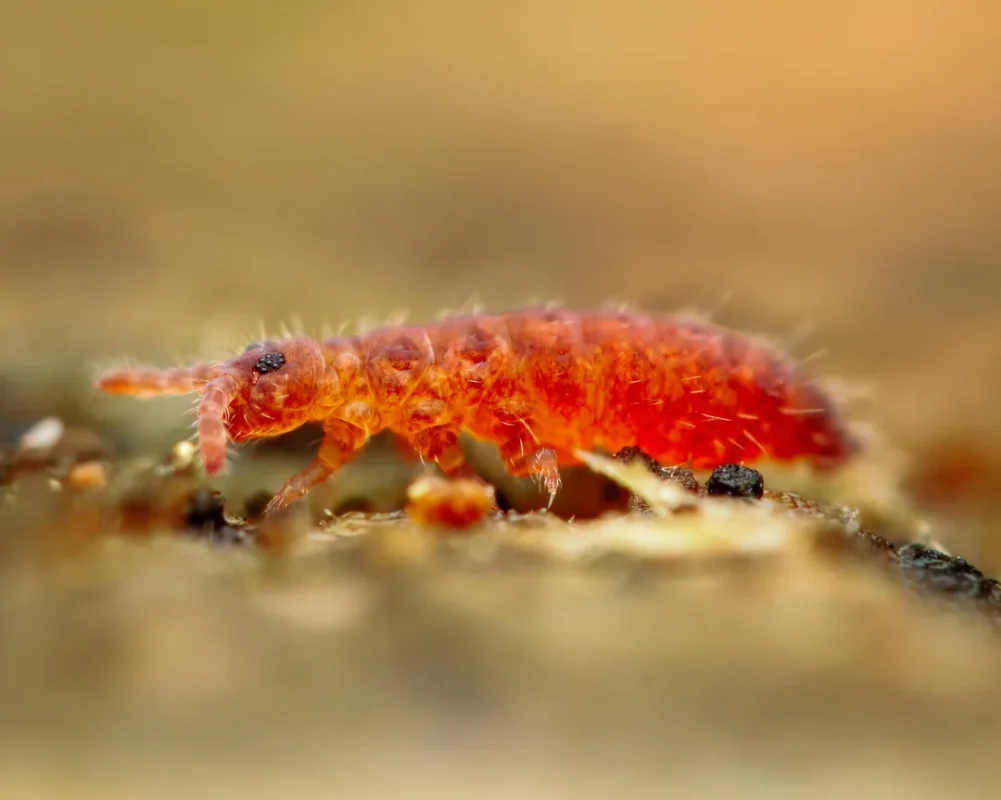
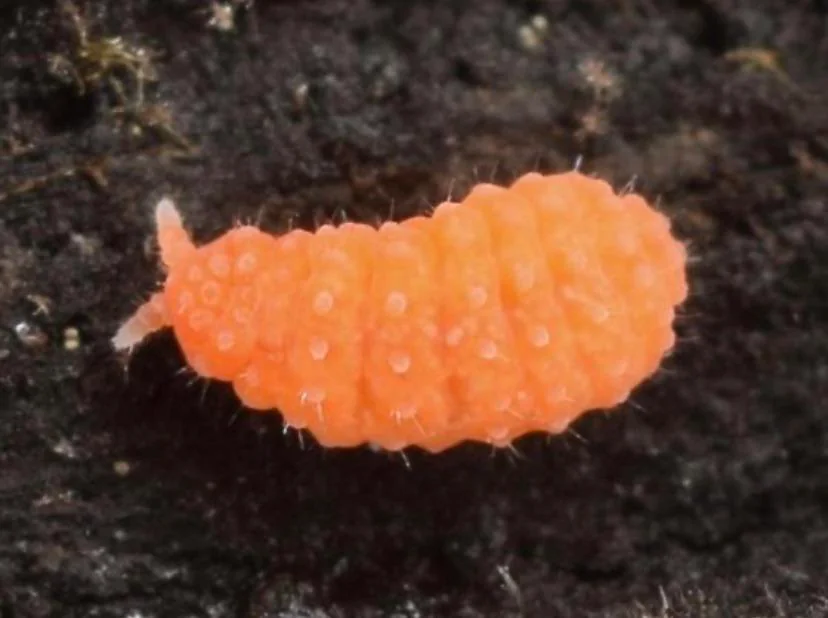
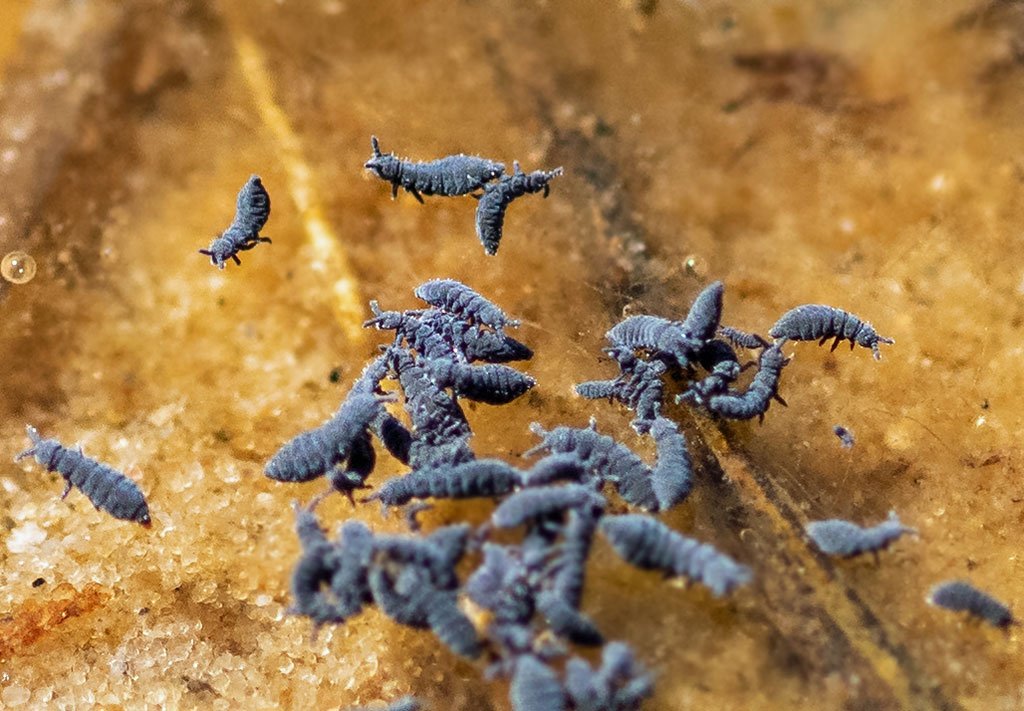
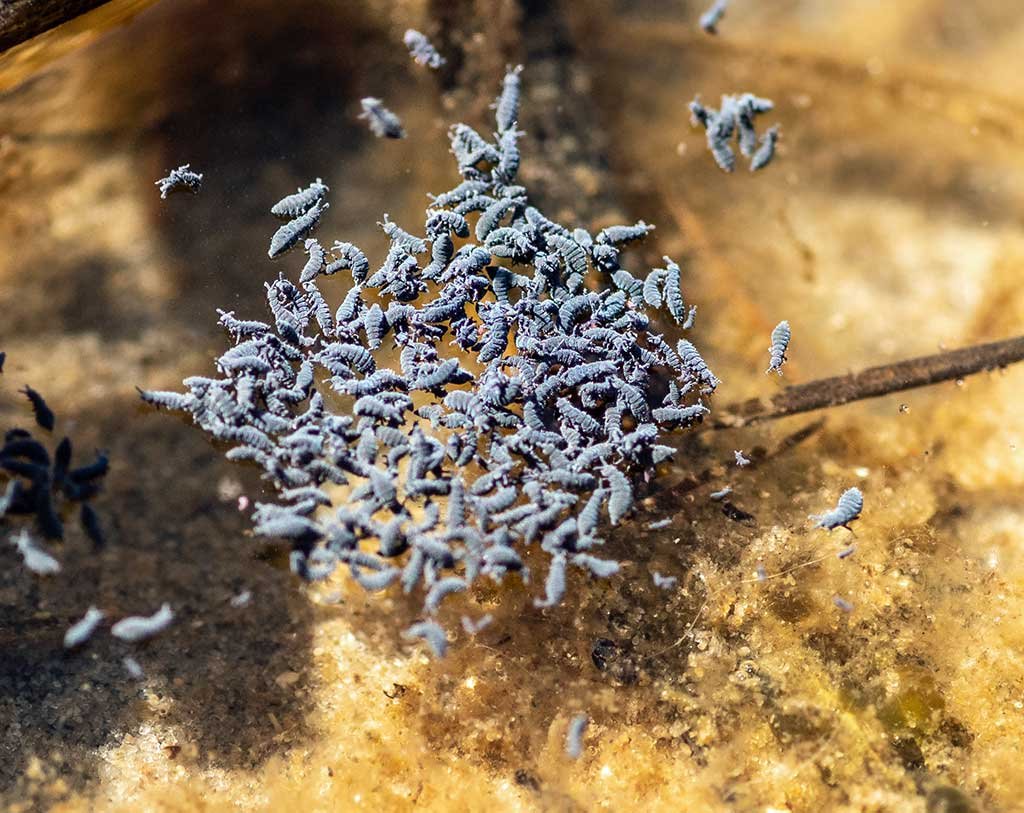
Hypogastrura vernalis | Spring Springtail Culture | Cool Damp Compost Terrarium Springtails
Price range: $35.00 through $460.00
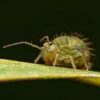
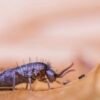
Buy Hypogastrura vernalis — the Spring Springtail — a dark blue, cold-adapted specialist springtail for compost terrariums, temperate woodland builds, and cool-climate bioactive enclosures.
Where warm-climate species slow down, H. vernalis thrives — actively cleaning cool, damp, organic-rich substrate at temperatures most springtails can’t handle.
The specialist pick for the coldest end of the temperate spectrum.
Pairs perfectly with Folsomia candida for complete cool-climate cleanup crew coverage.
Raised in-house and shipped with a live arrival guarantee.
Select your quantity below.
Hypogastrura vernalis — Spring Springtail Culture | Cool Damp Springtails for Compost Terrariums
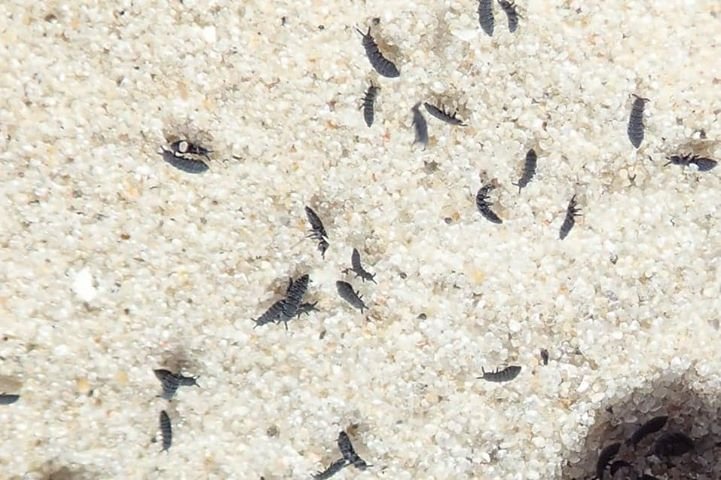
Most springtail cultures are built for warmth. Hypogastrura vernalis – the Spring Springtail is built for the cold.
A member of the Hypogastruridae family, one of the most cold-adapted springtail groups in existence, H. vernalis thrives precisely where most other species begin to struggle: in cool garden compost heaps, cold wet woodland soil, temperate forest floor terrariums, and the chilly, moisture-saturated end of the bioactive spectrum that warm-loving tropical species simply cannot cover.
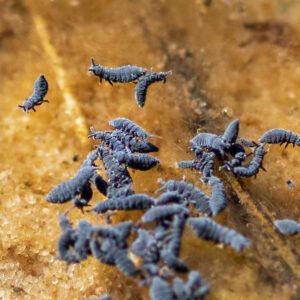
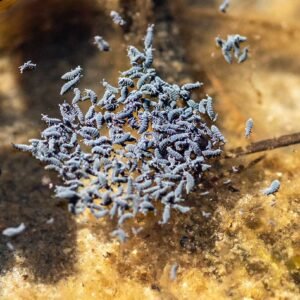
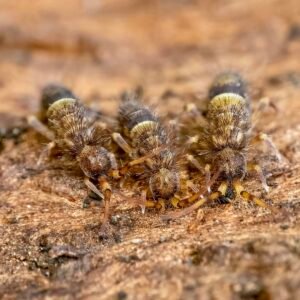
Dark blue, compact, and relentlessly active in conditions that send other cleanup crew members into torpor, the Spring Springtail occupies a completely unique ecological niche in the hobby.
For builders of temperate woodland terrariums, cold-climate bioactive setups, and compost-rich enclosures operating at the lower end of the temperature range; this is the specialist species that completes the system.
A Different Kind of Springtail — Built for the Cold
The Hypogastrura genus is remarkable in the springtail world for one defining characteristic: cold tolerance far beyond what most Collembola species can achieve.
Close relatives of H. vernalis within the genus are among the most cold-adapted arthropods on Earth; active on snow surfaces, capable of functioning at near-freezing temperatures, and found thriving in cold forest floors, compost heaps, and wet woodland soil across North America, Europe, and Asia.
H. vernalis carries this cold-adapted heritage into the terrarium hobby, bringing a suite of traits that no warm-climate springtail can match:
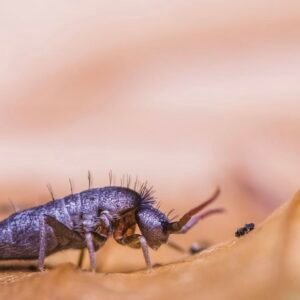
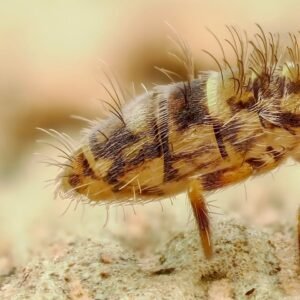
- Dark blue colouration — a deep, rich blue body that stands out immediately against pale substrate, compost, and woodland leaf litter; the dark pigmentation of Hypogastruridae species is also scientifically linked to heat absorption in cold environments
- Compact, plump Poduromorpha body form — cylindrical and robust rather than elongated or globular, with a distinctly different silhouette from Entomobryomorpha species; recognisable and visually interesting in a cold terrarium setting
- Cold-climate specialist — thrives at temperatures where most tropical and even temperate springtail species slow down or fail entirely; the ideal cleanup crew for the coldest end of the temperate spectrum
- Compost and woodland floor expert — naturally found in garden compost heaps, cold wet woodland soil, leaf litter, and the deep organic layers of temperate forest floor ecosystems
- Active in damp, cool conditions — unlike most springtails that prefer warmth alongside moisture, H. vernalis is specifically tuned to the cold-and-wet combination that characterises compost terrariums and cool temperate woodland builds
- Rare in dedicated terrarium culture — a genuinely uncommon offering that most springtail suppliers don’t maintain, making it a meaningful addition to any serious collection
Why Your Cold Terrarium Needs a Cold Springtail
The single most common mistake in temperate and woodland terrarium building is using warm-climate springtail species in cold environments.
Folsomia candida and similar temperate-tolerant species perform adequately across a wide range but at the cold, damp end of the spectrum, their effectiveness drops significantly. Mold, fungal growth, and organic buildup accelerate in cool, wet conditions precisely because the cleanup crew can’t keep up.
Hypogastrura vernalis solves this problem.
It is active, reproductive, and feeding at the temperatures where other species become sluggish giving your cool terrarium a cleanup crew that actually matches its environment.
This is the difference between a cleanup crew that was designed for your setup and one that was simply adapted to tolerate it.
Ideal enclosure types for H. vernalis:
- Temperate woodland terrariums — cold forest floor, moss-rich, leaf litter-deep setups
- Compost terrariums — organic-rich, cool, and consistently damp
- Cold climate bioactive vivariums — for temperate reptiles, amphibians, and invertebrates
- Rotting log and deadwood displays — wet wood, bark, and fungal-rich substrate environments
- Cool moss terrariums — sphagnum-heavy, cold and perpetually moist builds
The Complete Cool-Climate Cleanup Crew
H. vernalis is specifically designed to pair with Folsomia candida (Temperate White Springtails) for complete cold-climate coverage:
- Folsomia candida — works through a wide temperature range, covering moderate conditions and the deeper soil layers
- Hypogastrura vernalis — covers the coldest, dampest conditions and the compost and litter surface layers where F. candida is least effective
Together they form a layered, temperature-resilient cleanup system that functions across the full environmental range of a cool temperate terrarium from the moderately warm periods to the coldest, wettest conditions with no gaps in coverage.
Who Is This Species For?
- Temperate woodland terrarium builders who have struggled to find a springtail species that genuinely performs in cold, wet conditions rather than simply surviving them
- Compost terrarium specialists building setups around decaying organic matter, rotting wood, and cool woodland floor ecosystems
- Cool-climate reptile and amphibian keepers — temperate salamanders, newts, cool-climate frogs, and woodland invertebrates all benefit from a cold-adapted cleanup crew
- Multi-species collectors who understand ecological niching and want a springtail that fills the cold-end gap in their collection
- Advanced bioactive builders looking for species-specific cleanup crew matching rather than a one-size-fits-all tropical or temperate solution
Care Level: Intermediate. H. vernalis is not difficult to keep but rewards keepers who understand and replicate its preferred cool, damp, compost-rich conditions. Not suitable as the sole springtail species in warm tropical setups.
Care & Housing Requirements
| Parameter | Recommended Range |
|---|---|
| Temperature | Cool — performs best below 70°F (21°C); tolerates near-freezing |
| Humidity | Very high — cool and consistently damp; never allow to dry out |
| Substrate | Rich organic soil, compost, leaf litter, rotting wood — deep and moisture-retaining |
| Diet | Decaying organic matter, fungi, algae, brewer’s yeast, springtail food |
| Enclosure | Secure lid with good ventilation; cool location away from heat sources |
| Care Level | Intermediate |
Key care note: Do not house H. vernalis in warm environments.
They are cold specialists placing them in a warm tropical setup will stress the colony and reduce effectiveness. Keep cultures in the coolest area of your space for best results.
What’s Included
Each culture contains approximately 50 live Hypogastrura vernalis springtails, including adults and juveniles, raised in-house at Springtails Culture and shipped with our live arrival guarantee.
Select your preferred quantity at checkout.
All cultures are live, counted by estimation, and packed with care.
Shipping & Live Arrival Guarantee
All live cultures from Springtails Culture are carefully packed and monitored throughout transit.
For our cold-adapted H. vernalis cultures, we pay particular attention to avoiding heat exposure during shipping; these animals prefer cool conditions and are packed accordingly to ensure safe, active arrival.
Please note: Quantities are estimated counts. Live animals may vary slightly in number. All sales of live animals are final — please review our Refund & Returns Policy before purchasing.
| Weight | 0.5 lbs |
|---|---|
| Species | Hypogastrura vernalis |
| Common Name | Spring Springtail |
| Type | Temperate (cold specialist) |
| Difficulty | Intermediate |
| Temperature | 10–18°C (50–64°F) |
| Humidity | High (75–95%) |
| Use | Cleanup crew / compost processor |
| Substrate | Rich compost, sphagnum moss, cool damp topsoil |
| Live Arrival | Guaranteed |
| Care Sheet | Included |
| quantity | 100 springtails, 1000 springtails, 150 springtails, 200 springtails, 250 springtails, 50 springtails, 500 springtails |
Be the first to review “Hypogastrura vernalis | Spring Springtail Culture | Cool Damp Compost Terrarium Springtails”
Related products
Temperate Springtails
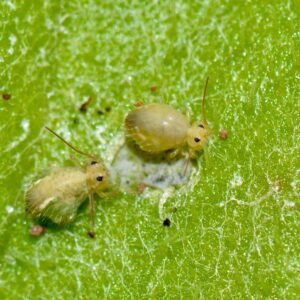
Sinella curviseta – Pink Curved Springtail Culture — Planted Vivarium Bioactive Substrate Kit
Rare and Exotic Springtails
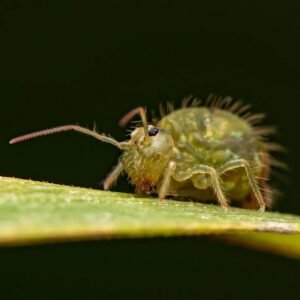
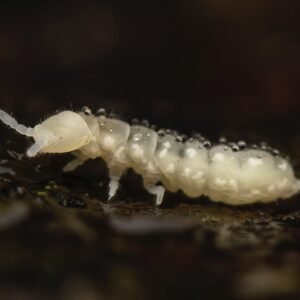
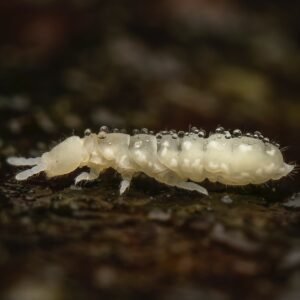
Sminthurus viridis — Lucerne Flea Culture | Globular Springtail for Decaying Matter Terrariums
Temperate Springtails
Folsomia candida White Springtail Culture | Temperate Cleanup Crew for Terrariums & Bioactive Setups
Temperate Springtails
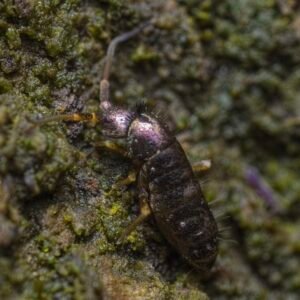
Tomocerus minor | Large Temperate Springtail Culture | Woodland Leaf Litter Processor
Temperate Springtails
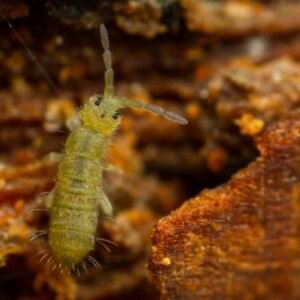
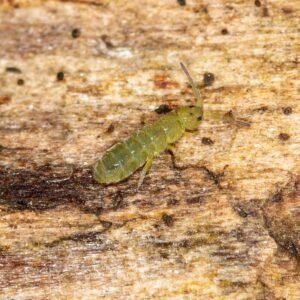
Isotoma viridis Green Springtail Culture | Cool-Climate Springtails for Moss Terrariums
Temperate Springtails
Reviews
There are no reviews yet.