
Orchesella cincta | Banded Springtail Culture | Large Visible Temperate Springtails for Display Terrariums
Price range: $85.00 through $295.00
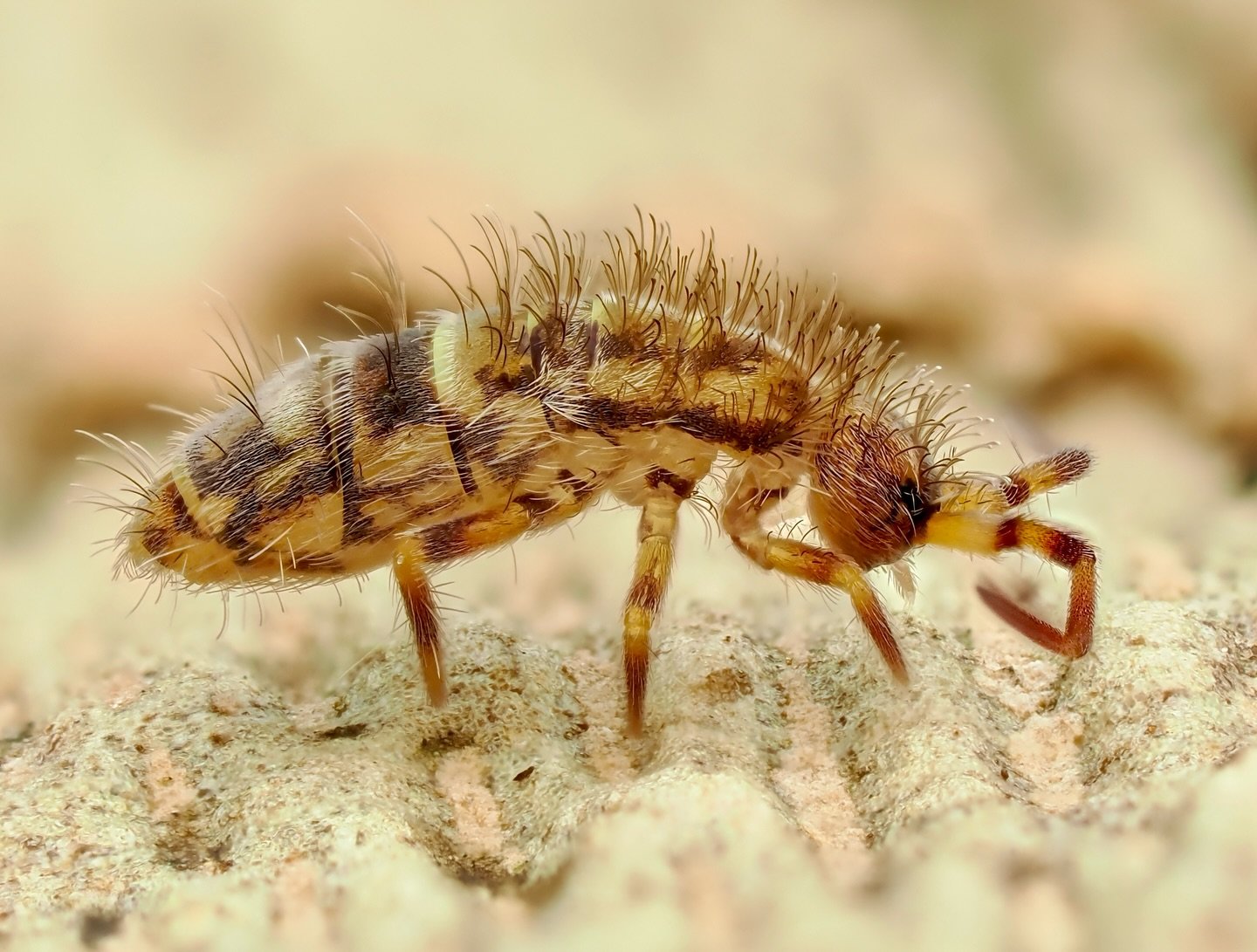
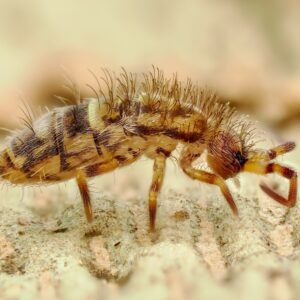
Buy Orchesella cincta — the Banded Springtail — a large 4–6mm temperate springtail with bold dark banding on a pale cream body, named by Linnaeus himself for its distinctive “belted” appearance.
Surface-active, highly mobile, and genuinely visible in a display terrarium without magnification.
One of the most scientifically documented springtail species in temperate ecology, with a fully sequenced genome and a uniquely broad diet spanning fungi, algae, mosses, lichens, and decaying plant matter.
Beginner-friendly and robustly resilient.
Raised in-house and shipped with a live arrival guarantee.
Select your quantity below.
Limited stock — only 500 springtails available total. Order early to avoid disappointment.
Orchesella cincta — Banded Springtail Culture | Larger Visible Springtails for Display Terrariums
Most temperate springtails are invisible. Orchesella cincta — the Banded Springtail refuses to be.
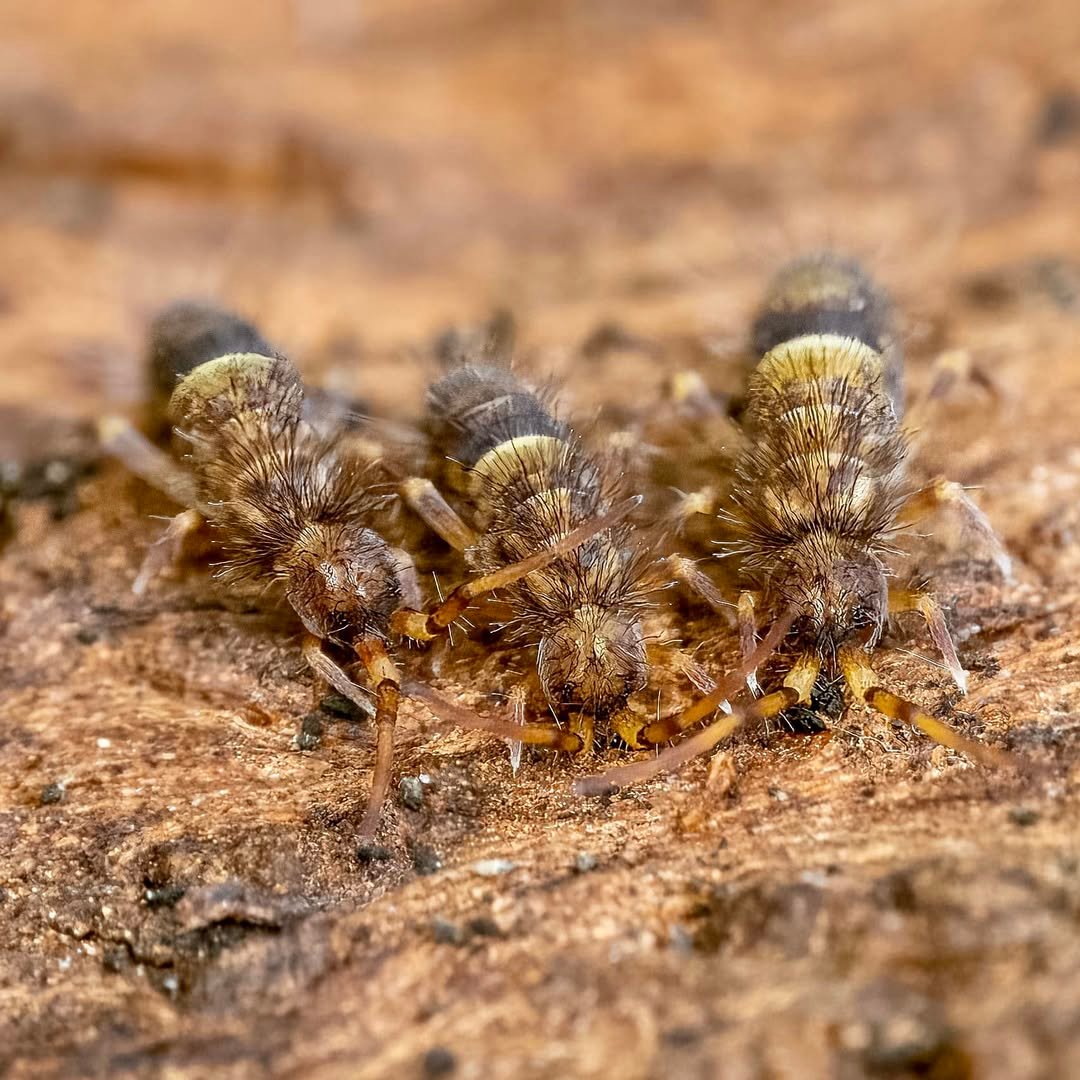
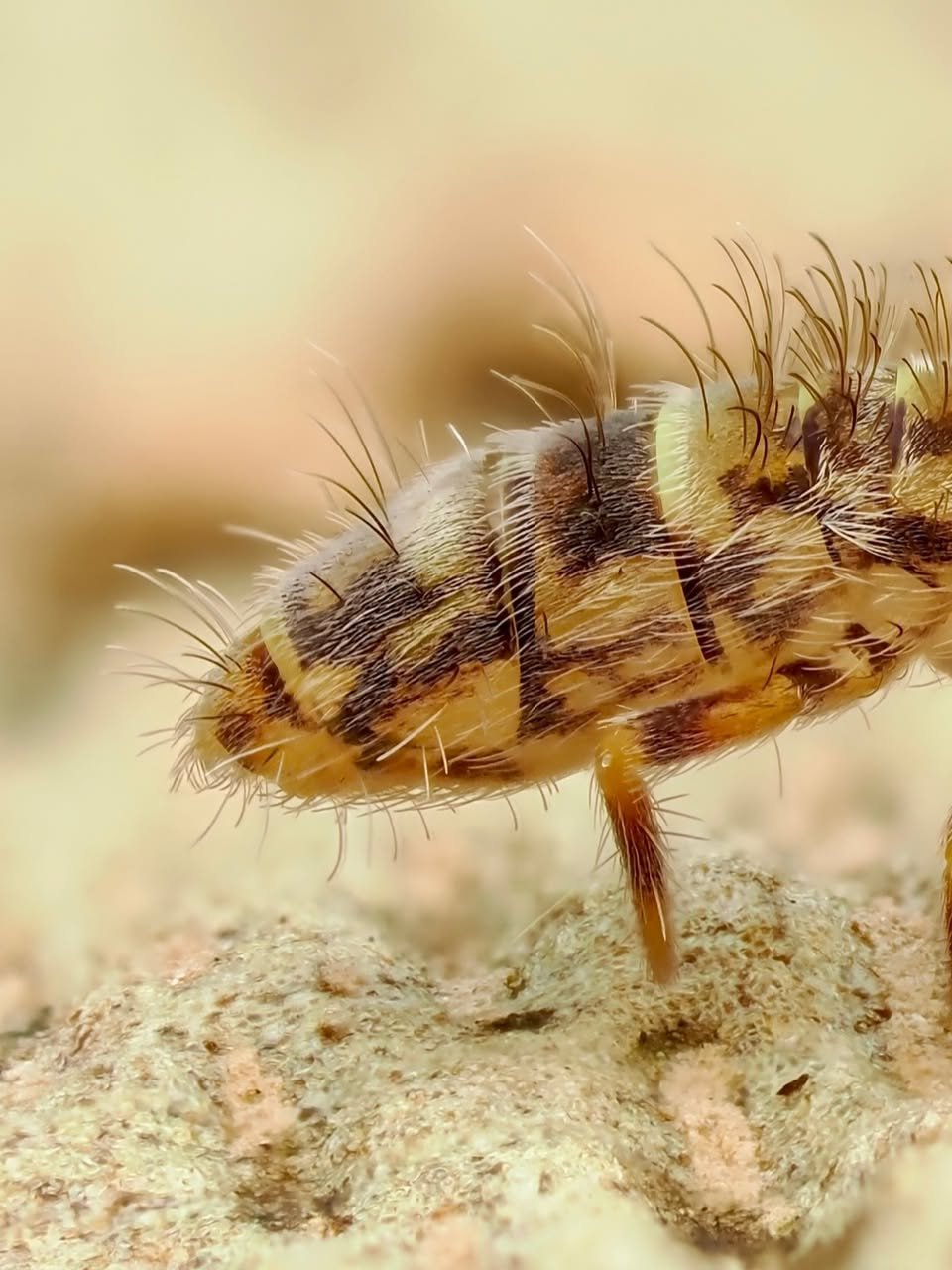
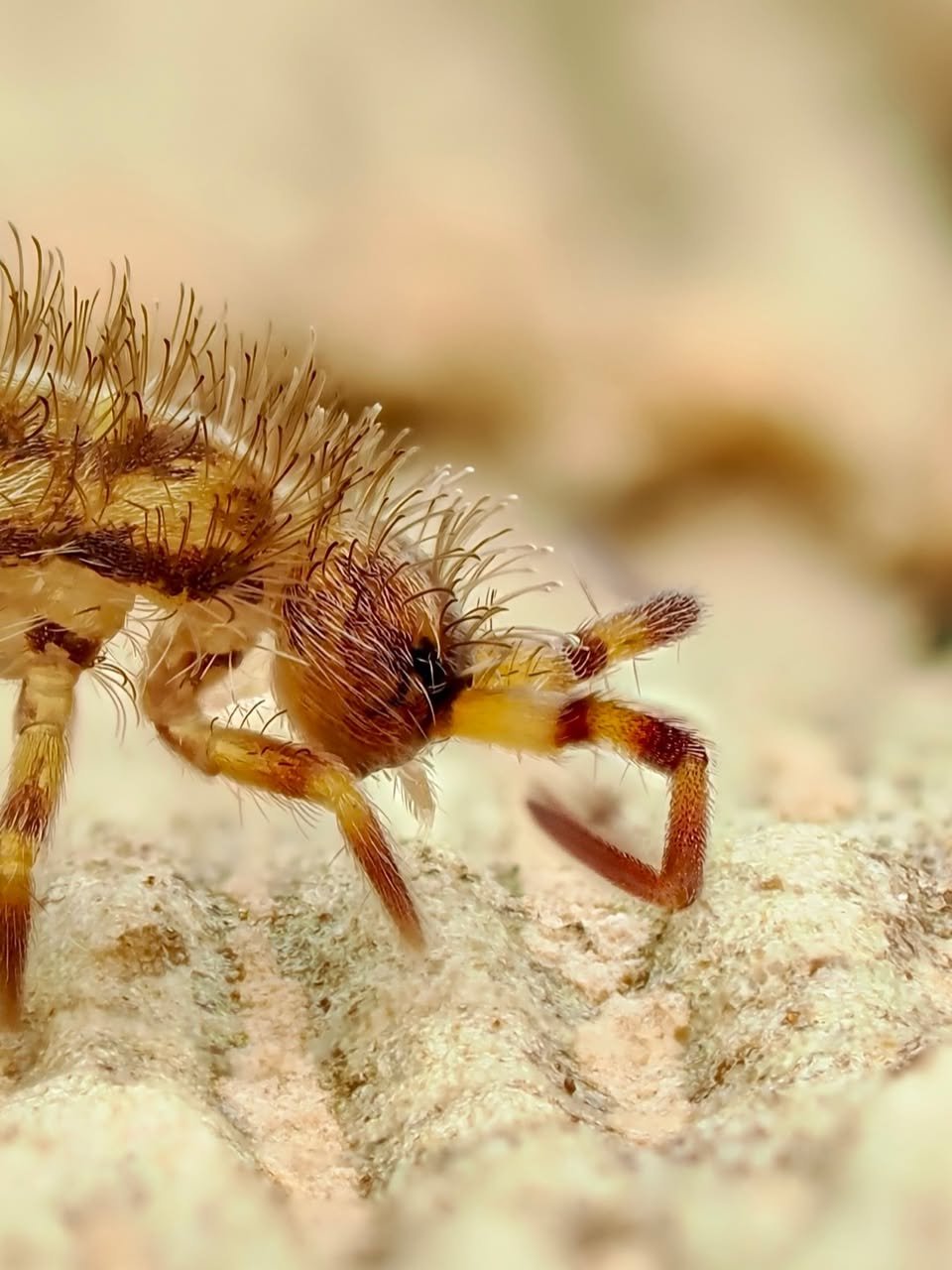
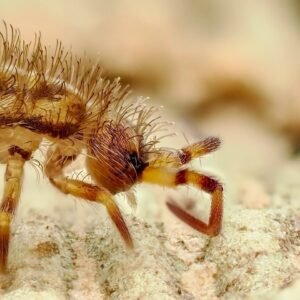
Reaching 4–6mm in length at adulthood, with a slender pale cream body boldly interrupted by dark banding across the abdominal segments, O. cincta is one of the few temperate springtail species that can genuinely be spotted, followed, and watched in a display terrarium without any magnification at all.
The species name cincta comes directly from the Latin for “belted” named by taxonomists for the unmistakable dark banding that has defined this animal since it was first described by Carl Linnaeus in 1758.
This is a temperate springtail with real visual presence.
And in a category dominated by small, pale, functionally identical white cultures, visual presence is exactly what a well-built display terrarium needs.
What Makes Orchesella cincta Unique in the Temperate Category
O. cincta occupies a position in the temperate springtail world that no other readily available culture species fills; large, boldly patterned, highly mobile, and genuinely observable to the naked eye in a terrarium setting:
- 4–6mm adult body length — among the largest temperate springtail species available in culture; significantly larger than standard white springtails and visible without magnification
- Bold dark banding on a pale cream body — the defining characteristic of this species, referenced directly in its scientific name; dark transverse bands across the abdominal segments create a striped, belted appearance that catches the eye against both light and dark substrates
- Highly mobile and surface-active — O. cincta has a notably high metabolic rate and is more mobile than most springtail species, spreading readily across leaf litter, moss, bark surfaces, plant foliage, and tree trunk crevices
- Versatile feeder — uniquely among common temperate springtails, O. cincta is both a fungivore/bacterivore AND a herbivore, feeding on live and dead plant tissue, mosses, algae, lichens, fungal hyphae, and bacteria; one of the most ecologically complete springtail feeders in the hobby
- Resilient population dynamics — when conditions become temporarily adverse, O. cincta synchronises its reproductive cycle across the population, then surges when conditions improve; a remarkably robust colony strategy that maintains population health through difficult periods
- Year-round active — found active across all seasons in natural woodland habitats, making it a reliable and consistent performer in temperate terrarium conditions
The Science Behind the Band
The banding of O. cincta is not merely decorative.
The distinctively pigmented third abdominal segment — the “belt” that gives the species both its common and scientific names and has made it as one of the most studied and scientifically documented springtail species in temperate ecology.
Its genome has been fully sequenced at Vrije Universiteit Amsterdam, making O. cincta one of only a handful of Collembola species with a completely characterised genetic profile.
Research has documented its role in stimulating microbial activity through litter fragmentation, enhancing soil fertility, and contributing to nutrient cycling at a measurable ecological level.
In plain terms: this is not just a cleanup crew member; it is one of the most ecologically understood and functionally documented temperate springtails in existence.
For keepers who value knowing exactly what their animals do and why, O. cincta is uniquely satisfying.
What O. cincta Does in a Display Terrarium
As a highly mobile, surface-active species with an exceptionally broad diet, O. cincta covers more of the terrarium and processes more types of organic material than most temperate cleanup crew members:
- Mold and fungal control — feeds continuously on fungal hyphae, mold, and bacterial biofilm across substrate surfaces, moss, bark, and leaf litter
- Plant matter processing — uniquely capable of feeding on both living and dead plant tissue, algae, mosses, and lichens — expanding its cleanup function beyond what strictly detritivorous species can manage
- Litter fragmentation — physically breaks down organic material through feeding and movement, accelerating microbial decomposition and nutrient return to the substrate
- Vertical range — climbs plant stems, bark surfaces, and tree trunk features within the enclosure, providing cleanup function at multiple height levels not just the substrate floor
- Visible activity — bold patterning and constant movement make O. cincta genuinely entertaining to observe; feeding time brings visible clusters of banded animals onto food sources
Who Is This Species For?
- Display terrarium builders who want a temperate springtail species large and boldly patterned enough to actually be seen and appreciated in the enclosure
- Keepers who value ecological substance — O. cincta is one of the most scientifically documented springtail species in existence, with a fully sequenced genome and extensive field research backing its functional role
- Moss and lichen terrarium builders — as a species that feeds on mosses, algae, and lichens in addition to standard detritus, O. cincta is specifically suited to setups with living botanical complexity at multiple levels
- Planted display builds — its ability to climb plant stems and foliage makes it active throughout the enclosure rather than confined to the substrate floor
- Cool-climate reptile and amphibian keepers looking for a large, visible, patterned temperate springtail that matches the naturalistic aesthetic of a woodland vivarium
- Macro photographers and content creators — the bold banding of O. cincta makes it one of the most photogenic temperate springtail species available
Care Level: Beginner. Despite its impressive size and bold appearance, O. cincta is straightforward to culture and maintain. It is one of the most common springtail species in the British Isles and northern Europe — robust, adaptable, and forgiving.
Care & Housing Requirements
| Parameter | Recommended Range |
|---|---|
| Temperature | Temperate — cool to moderate; performs well across a wide range |
| Humidity | Moderate — consistently damp but not waterlogged |
| Substrate | Organic soil with leaf litter, moss, bark, and algae-covered surfaces |
| Diet | Decaying plant matter, mold, fungi, algae, mosses, lichens, brewer’s yeast |
| Enclosure | Secure-lidded container with ventilation — active jumper with a strong furcula |
| Care Level | Beginner |
Useful care note: In the laboratory, O. cincta is commonly maintained on twigs covered with green algae; a simple, effective, and low-cost supplement that drives excellent colony health.
Adding a small algae-covered stick or piece of bark to your culture is one of the easiest ways to boost population growth and activity.
Population behaviour note: If your culture experiences a temporary adverse period (temperature drop, brief drying), don’t panic.
O. cincta synchronises reproduction across the population and surges back strongly when conditions improve as one of the most resilient colony recovery strategies of any temperate springtail species.
What’s Included
Each culture contains approximately 50 Orchesella cincta springtails, including adults and juveniles, raised in-house at Springtails Culture on organic soil substrate with leaf litter and shipped with our live arrival guarantee.
Select your preferred quantity at checkout. All cultures are active, counted by estimation, and packed with care.
The Complete Visible Temperate Cleanup Crew
Pair Orchesella cincta with Tomocerus minor for the ultimate visible temperate cleanup combination; two large, surface-active temperate species covering complementary ecological roles across leaf litter, bark, moss, and substrate layers.
Add Folsomia candida for deep soil coverage and Hypogastrura vernalis for the coldest, dampest microhabitats, and you have a complete four-species temperate cleanup crew with genuine ecological depth, visible diversity, and total enclosure coverage from top to bottom.
Shipping & Live Arrival Guarantee
All active cultures from Springtails Culture are carefully packed and monitored throughout transit.
We track destination temperatures and weather conditions before every shipment to ensure your O. cincta cultures arrive alive, active, and ready to establish.
Please note: Quantities are estimated counts. Cultures may vary slightly in number. All sales are final — please review our Refund & Returns Policy before purchasing.
| Weight | 0.5 lbs |
|---|---|
| Species | Orchesella cincta |
| Common Name | Banded Springtail |
| Type | Temperate |
| Difficulty | Beginner |
| Temperature | 15–22°C (59–72°F) |
| Humidity | Moderate (55–75%) |
| Use | Cleanup crew / display species |
| Substrate | Leaf litter, bark, surface organic matter |
| Live Arrival | Guaranteed |
| Care Sheet | Included |
| quantity | 100 springtails, 1000 springtails, 150 springtails, 200 springtails, 250 springtails, 50 springtails, 500 springtails |
Be the first to review “Orchesella cincta | Banded Springtail Culture | Large Visible Temperate Springtails for Display Terrariums”
Related products
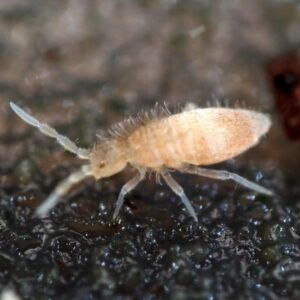
Temperate Springtails
Sinella curviseta – Pink Curved Springtail Culture — Planted Vivarium Bioactive Substrate Kit
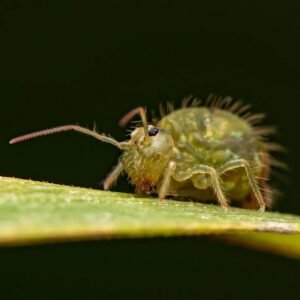
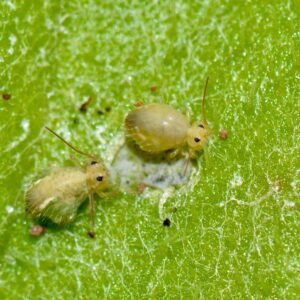
Rare and Exotic Springtails
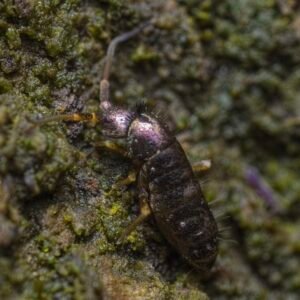
Sminthurus viridis — Lucerne Flea Culture | Globular Springtail for Decaying Matter Terrariums
Temperate Springtails
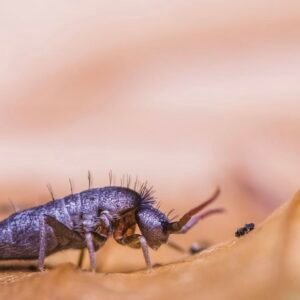
Tomocerus minor | Large Temperate Springtail Culture | Woodland Leaf Litter Processor
Temperate Springtails
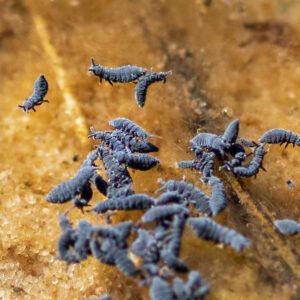
Hypogastrura vernalis | Spring Springtail Culture | Cool Damp Compost Terrarium Springtails
Temperate Springtails
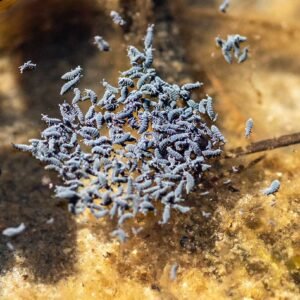
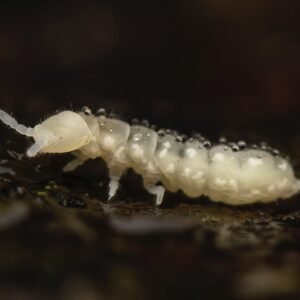
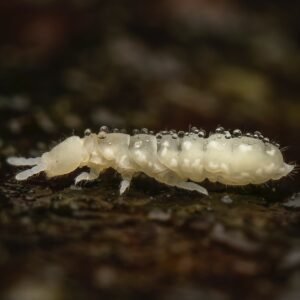
Folsomia candida White Springtail Culture | Temperate Cleanup Crew for Terrariums & Bioactive Setups
Temperate Springtails
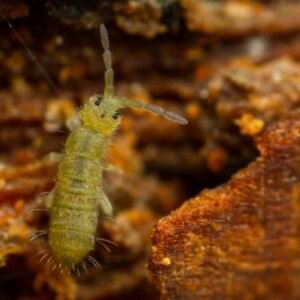
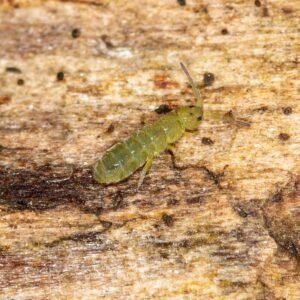
Isotoma viridis Green Springtail Culture | Cool-Climate Springtails for Moss Terrariums
Reviews
There are no reviews yet.