
Species Guides, Buying Guides
Springtails for Sale | Live Bioactive Cultures, Shipped Safe

Jul
Springtails for Sale: The Complete Buyer’s Guide to Live Bioactive Cultures
If you’ve searched “springtails for sale” because your terrarium has mold, your isopod bin looks off, or you just want a cleaner, healthier bioactive enclosure, you’re in the right place. This guide covers exactly what springtails are, which species to buy for your specific setup, how to keep a culture alive long-term, and where the common mistakes happen. It’s written for total beginners and experienced keepers alike, and every claim here reflects how we actually raise and ship our own cultures at Springtails Culture.
By the end, you’ll know exactly which springtail culture to buy, how to care for it, and how to avoid the culture crashes that frustrate most first-time buyers.
Who this guide is for: reptile and amphibian keepers building a bioactive enclosure for the first time, dart frog keepers looking for a live feeder with strong visual contrast, isopod keepers who want a companion cleanup species, and hobbyists troubleshooting an existing mold or substrate problem who’ve been told a cleanup crew is the fix but aren’t sure where to start.
Table of Contents
1. What Are Springtails?
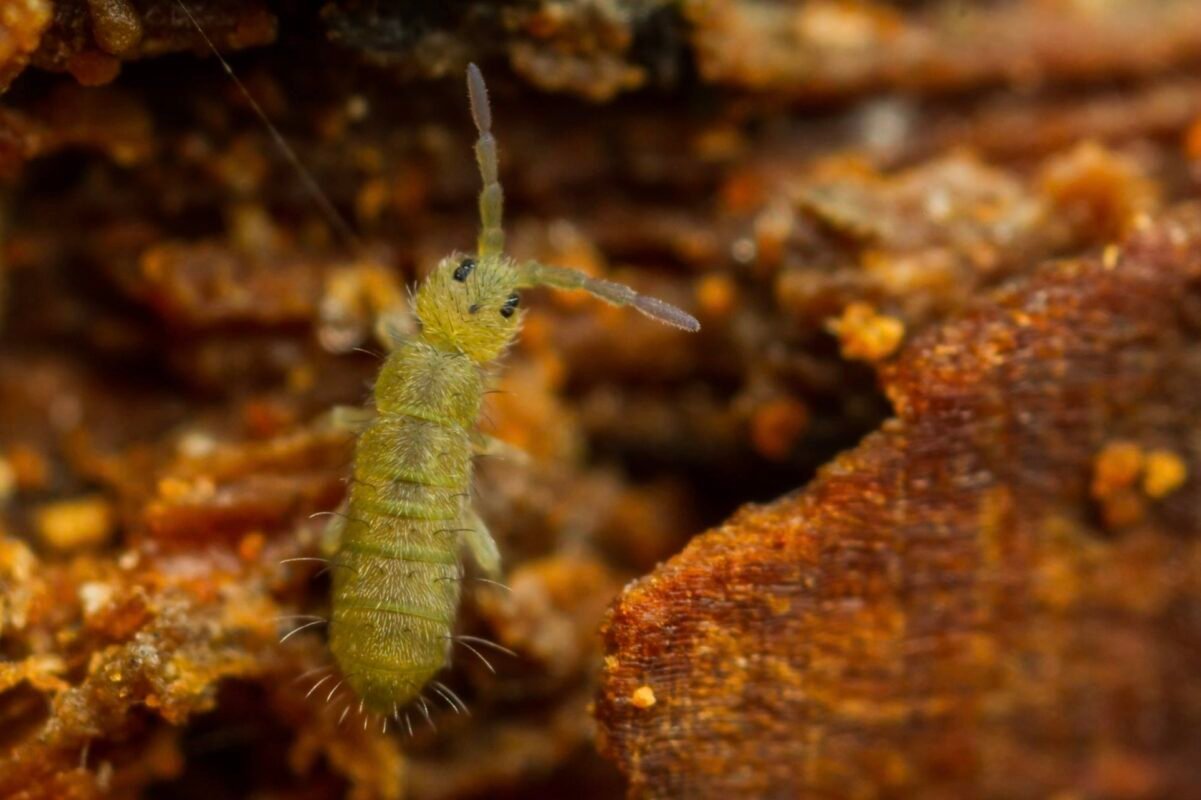
Springtails, scientifically classified as Collembola, are tiny, wingless arthropods; not insects, though they’re often grouped with them casually. Most species measure less than 2mm, and they’re named for the furcula, a spring-loaded tail-like structure many species use to flick themselves away from danger.
In the wild, springtails live in soil, leaf litter, and decaying wood almost everywhere on Earth. In captivity, hobbyists and reptile/amphibian keepers use them for one specific job: cleanup. A healthy springtail culture will:
- Graze on mold spores before a visible mold outbreak forms
- Break down leftover food, waste, and decaying plant matter
- Aerate substrate as they move through it, helping root health
- Recycle nutrients back into the substrate for live plants to use
- Serve as a live micro food source for dart frogs, isopods, and other small insectivores
If you keep a bioactive terrarium, vivarium, or paludarium, springtails aren’t a decorative add-on — they’re one of the two foundational cleanup organisms (the other being isopods) that most bioactive setups are built around.
1.1 Springtail Lifecycle Basics
Understanding the basic lifecycle helps explain why culture management (covered in Sections 9 and 10) matters so much. Springtails develop through several nymphal stages before reaching adulthood, and unlike many insects, they continue molting throughout their adult lives. A single healthy female can lay dozens of eggs over her lifespan, and under good conditions — stable moisture, moderate temperature, light feeding — a small starter population can grow into a large, self-sustaining colony within a few weeks.
This is also why a culture can look “fine” one week and crash the next: population growth is exponential when conditions are right, but so is die-off when conditions turn (too dry, too wet, overfed, or temperature-stressed). A culture isn’t a static product you set and forget — it’s a living population that responds directly to how it’s maintained, which is the main difference between a culture that lasts for months and one that fizzles out within weeks.
2. Why Buy Springtails for Sale (Instead of Skipping Them)
A lot of new keepers ask if springtails are really necessary, or if they can just clean the enclosure manually. Technically, yes, you can hand-clean a terrarium. Practically, most keepers who skip a cleanup crew run into the same three problems within a few weeks:
Mold outbreaks. Warm, humid enclosures are ideal mold habitat. Without something actively eating mold spores as they land, colonies establish fast especially on leaf litter, cork bark, and any decaying wood.
Nutrient-poor, “dead” substrate. Soil that isn’t being broken down and recycled by microfauna doesn’t support plant roots the way a live, active substrate does. This is the difference between a terrarium that looks planted and one that’s actually thriving.
Pest competition. Fungus gnats and mites both compete with springtails for the same food sources; mold and organic debris. A dense, established springtail population outcompetes these pests for food before they can build up a real presence.
Buying a culture solves all three at once, and it’s a one-time purchase that becomes self-sustaining if you care for it correctly (more on that in Section 10).
There’s also a maintenance-time argument that’s easy to underestimate before you’ve kept a bioactive enclosure.
Manual cleaning means physically spot-checking substrate, removing visible mold, and pulling out decaying matter on a regular schedule a routine that only gets more time-consuming as an enclosure matures and its bioload increases.
A working cleanup crew handles this continuously, at a microscopic level, in areas of the substrate you’d never think to check manually.
For anyone managing more than one or two enclosures, this difference compounds quickly, turning what would be a recurring chore into something the ecosystem manages on its own.
3. Live Springtails for Sale: What “Live Arrival” Actually Means
Not every seller backs their cultures the same way, and this matters more than most buyers realize before their first order.
A live arrival guarantee means the seller will reship your order (or refund it) if the culture arrives dead. This protects you against the two most common shipping failure points:
- Temperature exposure. Springtails are sensitive to extreme heat and cold. A culture shipped without seasonal insulation in a July heatwave or a January freeze can die in transit even with correct packing otherwise.
- Transit time. A culture sealed too long without airflow can suffocate or dry out.
When you’re comparing where to buy springtails for sale, always check for an explicit live arrival guarantee, not just “we ship carefully.” At Springtails Culture, every order ships with a live arrival guarantee. if it doesn’t arrive alive, we reship, no questions asked.
4. Best Springtail Species for Sale (And Which One You Need)
This is where most buyers get stuck not because the choice is complicated, but because most product pages don’t explain why one species suits your setup better than another.
The honest answer is that species selection comes down almost entirely to matching a culture’s natural temperature and humidity preferences to the conditions inside your specific enclosure, rather than picking whichever culture happens to be cheapest or most visually appealing. Here’s the breakdown.
4.1 Temperate White Springtails
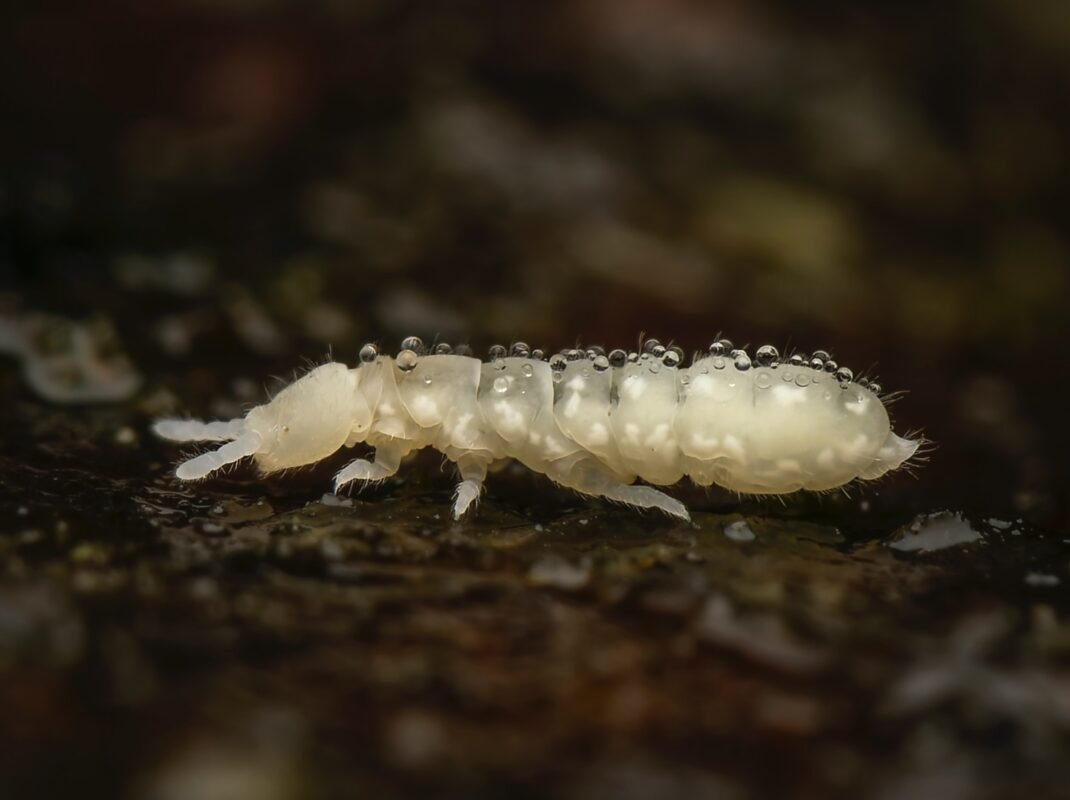
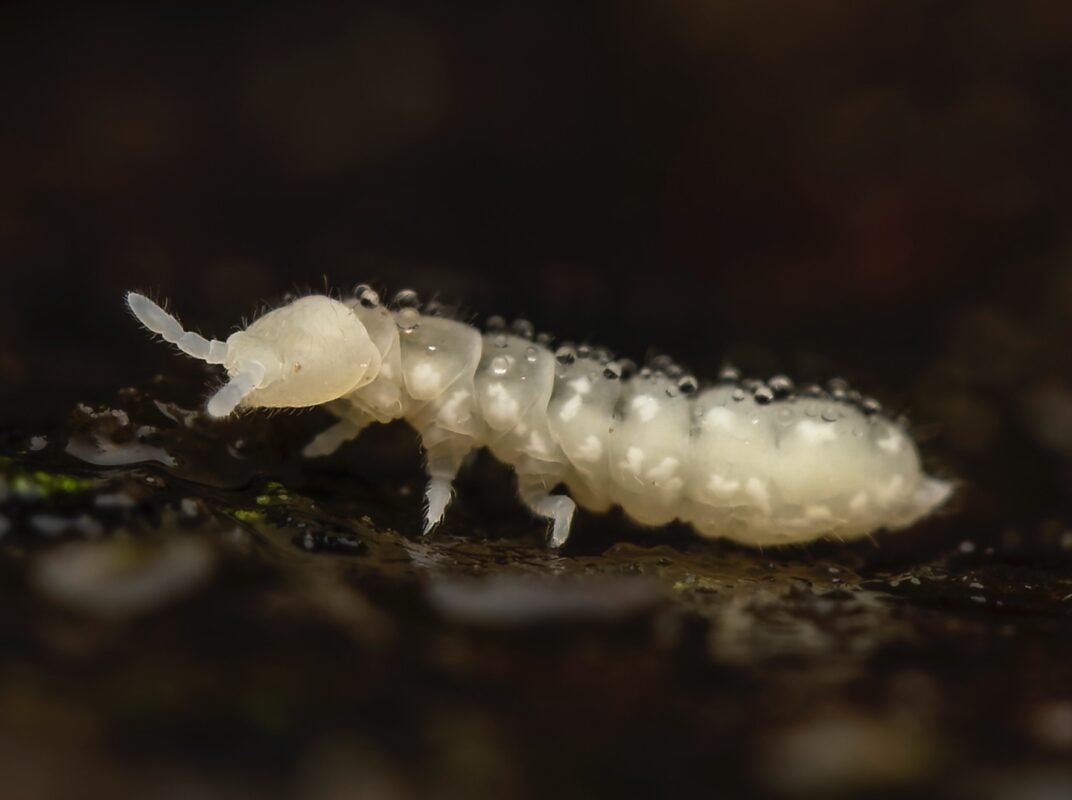
The default choice for most reptile and amphibian keepers, and the most widely recommended starter culture in the hobby. Temperate whites (commonly Folsomia candida) tolerate a broader temperature range than tropical species, reproduce reliably, and are the easiest culture to keep alive long-term for a beginner.
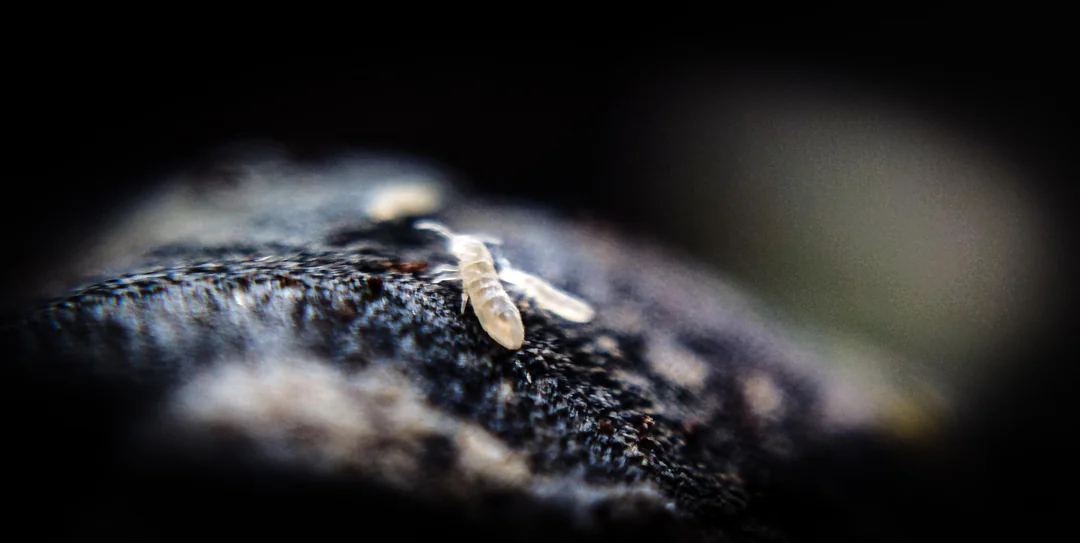
They handle the ordinary fluctuations of a typical household; a few degrees warmer during the day, cooler overnight without the population collapsing the way a more sensitive tropical species might under the same swings.
If you’re setting up your first bioactive enclosure, running a cooler reptile setup (many temperate reptile and amphibian species are kept well below tropical vivarium temperatures), or simply aren’t sure which species to start with, this is almost always the right answer. It’s also the easiest culture to maintain as a standalone backup, since it’s more forgiving of the small care inconsistencies that are common while you’re still learning culture maintenance.
4.2 Tropical Springtails
Built for warm, humid environments; roughly 75–85°F with consistently high humidity. If your setup is a tropical vivarium, a dart frog enclosure, or anything running warmer and more humid than a standard reptile tank, tropical springtails will establish and reproduce faster than temperate species in those specific conditions, because their natural range matches your enclosure’s baseline rather than working against it.
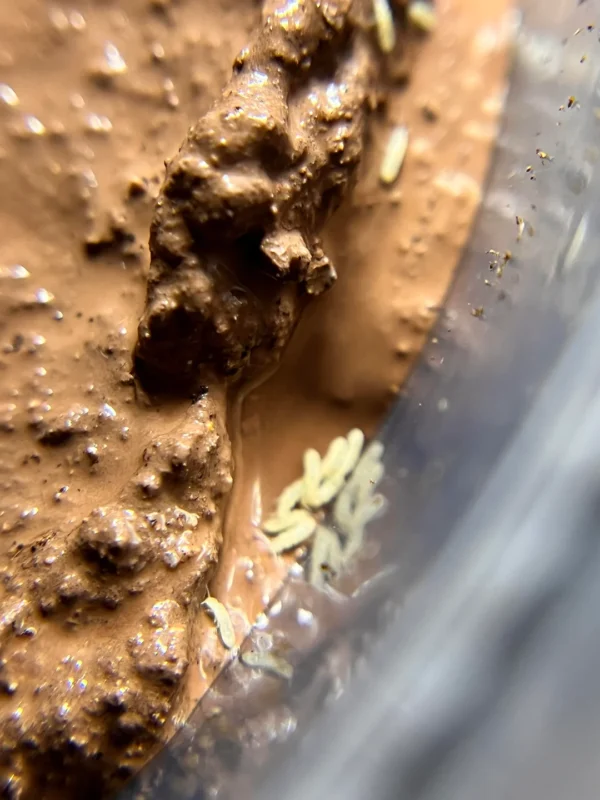
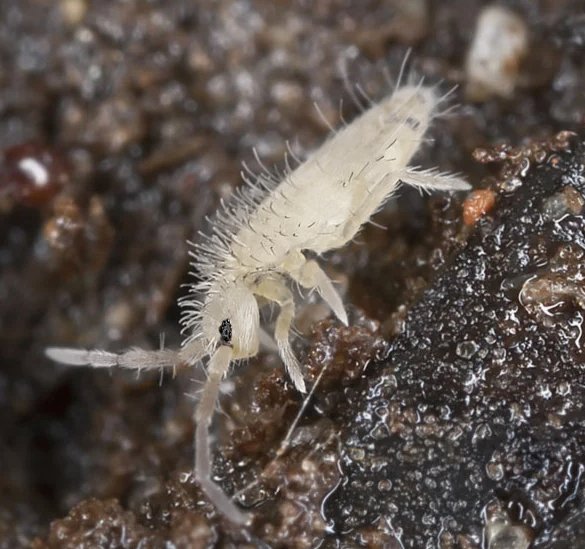
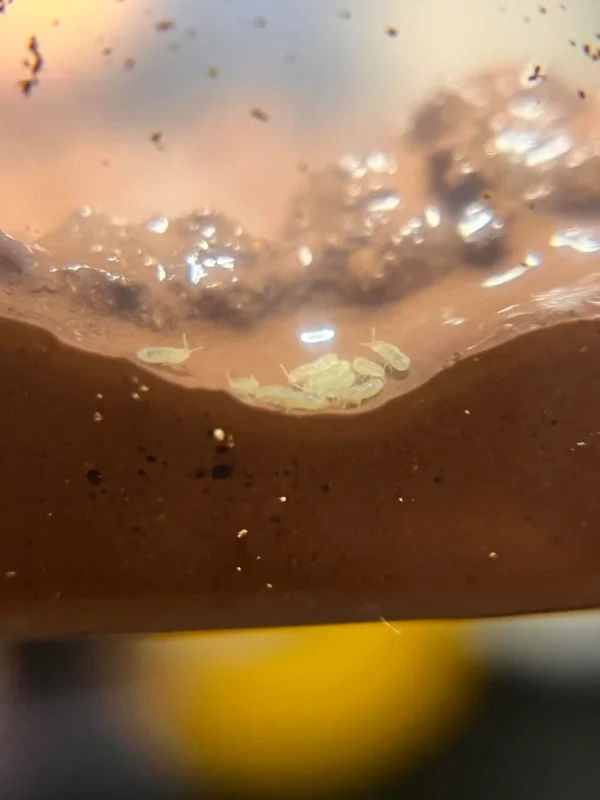

The trade-off is that tropical species are noticeably less forgiving outside their preferred range.
A tropical culture kept too cool or allowed to dry out will decline faster than a temperate culture would under the same lapse, so they’re a better fit once you’re already comfortable maintaining consistent humidity and temperature, rather than as a first-ever culture purchase.
4.3 Tropical Pink Springtails
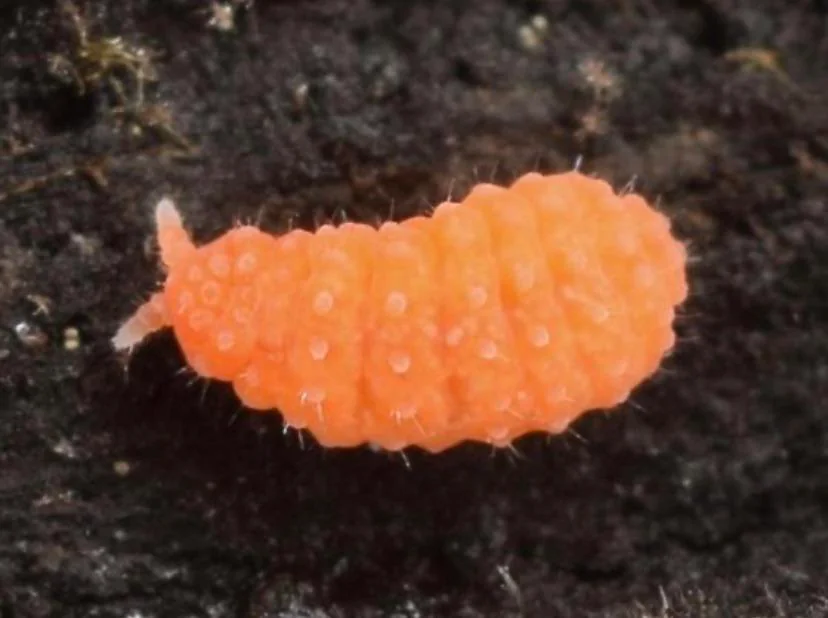
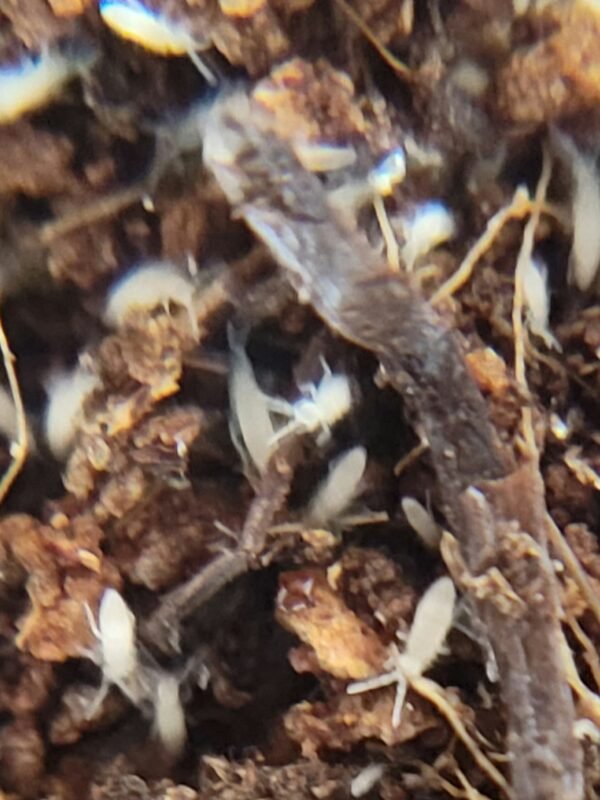
Coecobrya cf. tenebricosa: a visually distinct pink-toned tropical species that performs the same cleanup function as standard tropical springtails, with the bonus of being easy to spot moving across substrate, which some keepers use as a quick visual health check for the culture itself. Browse our Tropical Pink Springtail Culture for the full care specs and current availability.


4.4 Thai Red Springtails (Rare Collector Species)
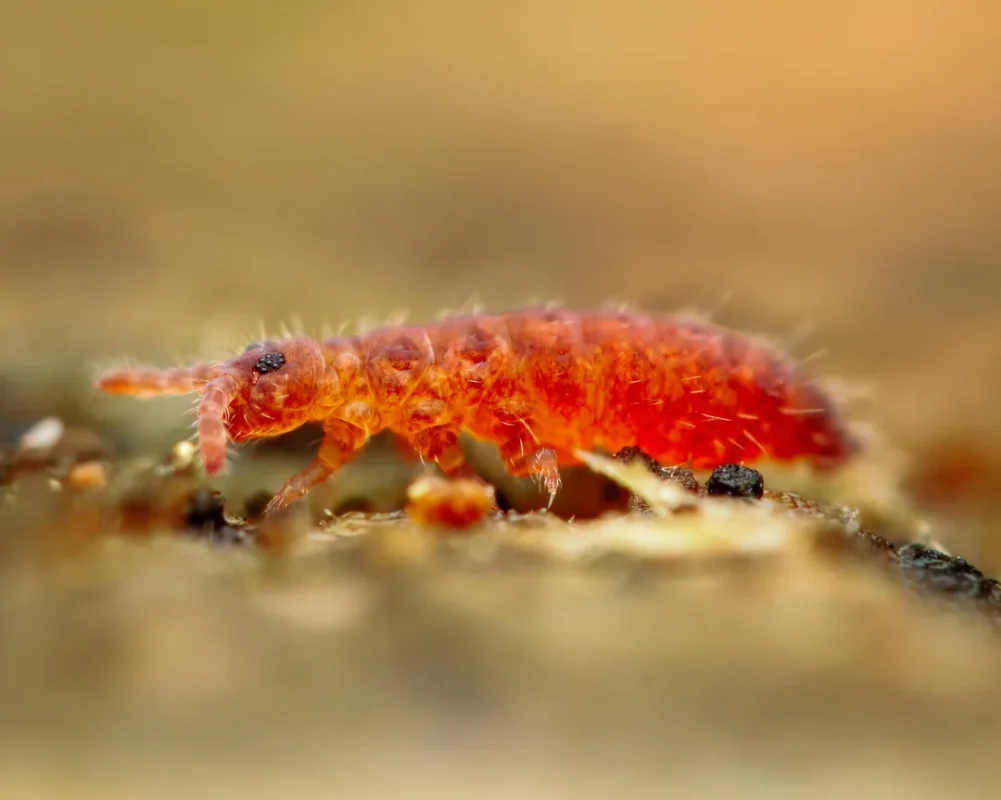
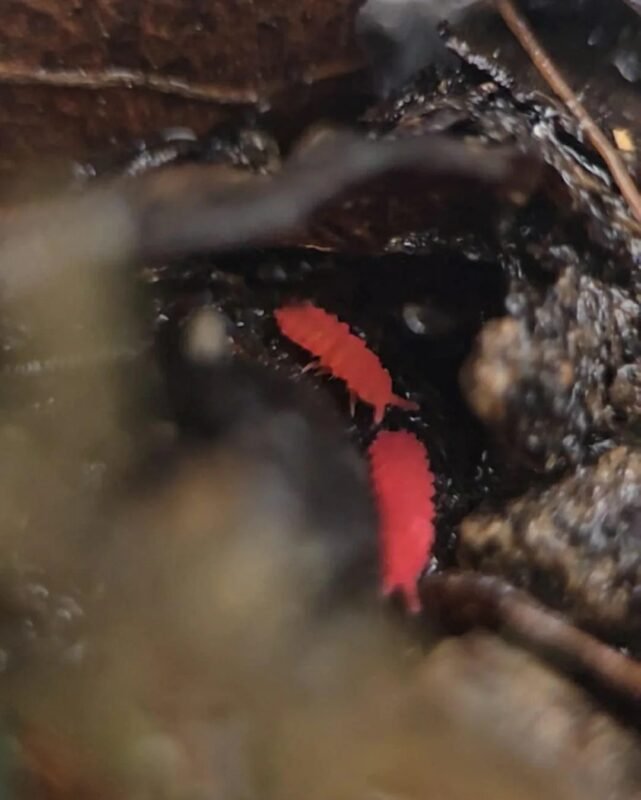
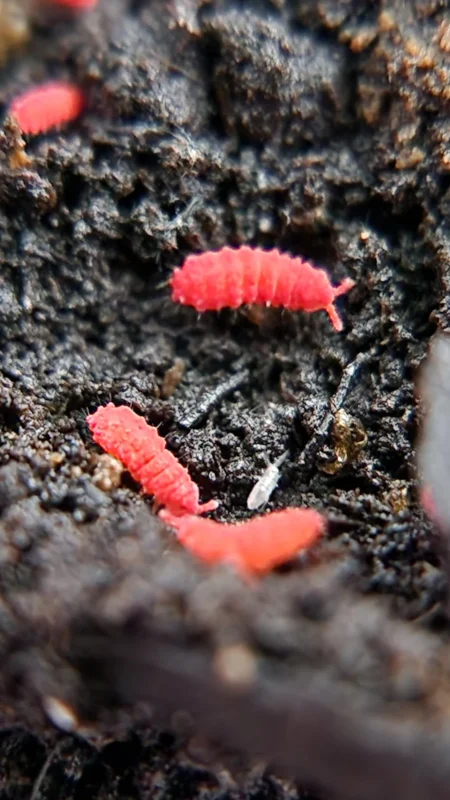
Lobella cf. sp. Thai Red sits at the rarer, more specialist end of the springtail hobby. Beyond cleanup duty, their bright red coloration makes them an effective live feeder for smaller dart frogs and other insectivores: the color contrast against dark substrate makes them easy targets for hunting species, which improves feeding response versus duller feeder insects.


We’ve written a full breakdown in our Thai Red Springtails Complete Guide & Culture Care, covering setup, feeding, and breeding specifics for this species. You can view current stock on the Thai Red Springtails product page.
4.5 Other Rare & Exotic Species
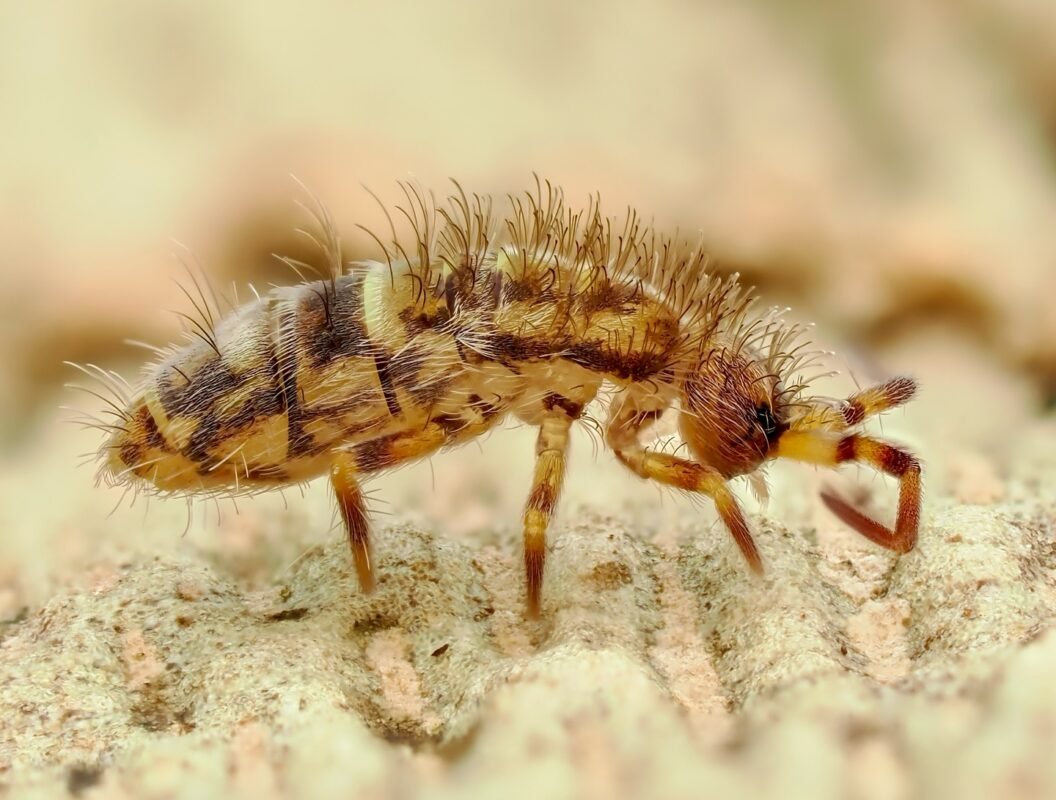
Beyond the staples above, the hobby includes specialty species like silver, zebra, and blue podura springtails, each with slightly different visual traits and micro-habitat preferences. If you’re building a display-focused bioactive setup where the microfauna itself is part of the visual interest (not just functional cleanup), it’s worth browsing our rare species collection to see what’s currently in culture.


5. Springtails vs. Isopods: Do You Need Both?
Short answer: for most bioactive builds, yes and they’re not redundant.
Springtails specialize in fine organic matter: mold spores, fungal growth, small food particles, and general substrate-level decay. Their small size lets them work in tight spaces isopods can’t access.
Isopods handle larger waste: decomposing leaf litter, shed skin, larger leftover food pieces, and bulkier organic debris.
Run them together and you get full-spectrum cleanup coverage across both waste scales. This is why almost every established bioactive vivarium runs a springtail-isopod combination rather than relying on either alone.
| Springtails | Isopods | |
|---|---|---|
| Primary role | Fine organic matter, mold spores | Larger decaying waste, leaf litter |
| Size | Under 2mm typically | Several millimeters to over a centimeter |
| Best for | Mold control, substrate-level cleanup | Bulk waste, shed skin, larger debris |
| Reproduction speed | Fast under good conditions | Generally slower than springtails |
| Also used as | Live feeder for small insectivores | Live feeder for larger insectivores |
| Access | Can work in tighter substrate spaces | Needs more open surface area to move |
Neither organism is a substitute for the other; they occupy different niches in the same cleanup system, which is exactly why pairing them produces a more resilient bioactive enclosure than either alone.
6. How to Choose the Right Springtail Culture for Your Setup
Use these three questions to narrow down a purchase decision quickly:
What’s your enclosure’s temperature and humidity range? Cooler, drier, more variable conditions → temperate white springtails. Warm, consistently humid, tropical → tropical or tropical pink springtails.
Is this culture primarily functional, or also a feeder source? Pure cleanup crew → any standard species works. Cleanup and live feeder for small frogs or insectivores → Thai Red springtails specifically, due to their visibility and feeding-response advantage.
How large is the enclosure, or how many enclosures are you seeding? A single small terrarium → a standard starter culture is enough. Multiple enclosures, or one large bioactive build → consider ordering more than one culture, or a larger culture size if available, so you’re not stretching a small starter population too thin across too much substrate.
If you’re still unsure after these three questions, temperate white springtails are the safest, most forgiving default start there and branch into specialty species once you’re comfortable maintaining a culture.
It’s also worth thinking about your enclosure’s existing bioload before ordering.
A newly set up terrarium with minimal waste input needs a smaller starting population than an established enclosure already generating food scraps, shed skin, or heavier organic waste from a larger animal.
If you’re seeding a new build, a standard starter culture is generally enough since the population can grow alongside the enclosure’s bioload.
If you’re introducing a cleanup crew to an already-active enclosure with a visible mold or waste problem, a larger or already-established culture will bring the population up to a workable level faster than a small starter batch would.
7. How Much Do Springtails Cost?
Pricing varies by species rarity, culture size, and whether you’re buying a small starter cup or a larger culture meant to seed multiple enclosures. As a general guide across the hobby:
- Common staple species (temperate white, standard tropical) tend to sit at the lower end of the price range these are produced in higher volume and are the most beginner-friendly buy.
- Specialty color morphs (tropical pink, silver, blue podura) typically cost more than staple species, reflecting slower production rates and lower overall supply.
- Rare collector species (like Thai Red springtails) sit at the top of the price range, priced closer to a specialty livestock purchase than a routine cleanup-crew supply item.
- Larger culture sizes cost more upfront but often work out cheaper per enclosure if you’re seeding multiple setups, since you avoid paying for shipping multiple times.
A useful rule of thumb: if you’re only maintaining one or two standard enclosures, a starter culture of a staple species is the most cost-effective entry point.
If you’re running a larger bioactive collection, consider a bigger culture size, or a species combo, to reduce the number of separate orders (and separate shipping charges) over time.
Current pricing for every species we carry is listed on each individual product page.
8. Shipping and Packaging: What to Expect
Because springtails are living organisms, shipping isn’t a “drop it in a box” situation the way dry goods are. Reputable sellers ship with a few specific considerations in mind:
- Seasonal insulation. Cultures shipped during summer heat or winter cold should include appropriate insulation, and in more extreme conditions, temperature packs. A seller who ships the same way year-round regardless of climate is a red flag.
- Airflow, not an airtight seal. Containers need enough airflow to prevent CO2 buildup during transit, while still being secure enough not to spill or dry out completely.
- Transit time matching order processing. Faster shipping methods reduce the amount of time a culture spends in a box, which directly reduces stress and die-off risk — this is part of why order processing and shipping speed matters more for live cultures than it does for typical e-commerce products.
- Tracking and delivery notifications. Since cultures shouldn’t sit in a mailbox or on a porch for extended periods, especially in extreme weather, tracking lets you retrieve the package promptly on arrival day.
When your culture arrives, treat the delivery day as time-sensitive This means you bring it inside and open it the same day rather than letting it wait, even if you don’t plan to set up your enclosure until later.
9. Setting Up Your Springtail Culture When It Arrives
- Open the package indoors immediately upon arrival, even if you’re not adding them to an enclosure right away.
- Check for movement on the culture medium and container walls. Springtails are tiny — look closely, especially near moist surfaces and food.
- Keep the culture moist, never flooded. If the medium looks dry, mist lightly or add a small amount of clean, dechlorinated water.
- Allow airflow. Don’t seal the container completely — a small culture builds up CO2 quickly in an airtight space.
- Let it establish for 1–2 weeks before splitting it into an enclosure, if possible. Adding a barely-arrived culture directly into a large substrate area spreads a small population too thin to establish well. Letting it grow in the original container first, then seeding your enclosure once it’s visibly active, gives you a much stronger start.
- Keep a backup. Split the culture rather than adding all of it to one enclosure
keep a portion growing separately as insurance if anything goes wrong with the primary population.
10. Feeding and Long-Term Culture Maintenance
Once established, springtail cultures are largely self-sustaining, but a few habits keep them productive long-term:
- Feed lightly and infrequently. Overfeeding is the single most common cause of a culture crash — excess food rots, fouls the medium, and can crash humidity/oxygen balance faster than the springtails can consume it. A small pinch every 1–2 weeks is typically enough for an established culture.
- Yeast-based foods work well as a supplemental feed for most species, alongside whatever organic matter is naturally available in the enclosure itself.
- Watch moisture levels weekly. Too dry and the culture stalls; too wet and mold or bacterial issues can take over the medium instead of the springtails keeping pace with it.
- Rotate or refresh charcoal/substrate periodically if you’re maintaining a standalone backup culture outside an enclosure, since old medium eventually turns sour with heavy use.
- Our Slime Mold Culture Guide covers substrate and charcoal prep techniques that apply directly to keeping a clean springtail culture medium as well.
11. Common Springtail Culture Mistakes (And How to Avoid Them)
Adding the entire culture to one enclosure immediately. Split it and always keep a backup portion.
Overfeeding. More food doesn’t mean faster reproduction; it usually means a fouled, crashed culture instead.
Letting the medium dry out completely. A dried-out culture can die off entirely within days, especially for tropical species.
Ignoring temperature swings. A culture kept near a window, heater, or AC vent can experience temperature spikes that stress or kill a population that looked healthy the day before.
Assuming all springtail species behave identically. Temperate and tropical species have different humidity and temperature tolerances. if you are using tropical-species care instructions on a temperate culture (or vice versa) is a common, avoidable failure point.
Leaving the package sealed too long after delivery. Even a well-packed culture is under stress in transit. Letting it sit unopened for another day or two after arrival compounds that stress unnecessarily.
Using tap water with heavy chlorine or chloramine. Some municipal water supplies are treated heavily enough to harm a sensitive culture over repeated use.
If your tap water is heavily chlorinated, letting it sit out uncovered for 24 hours (or using dechlorinated water) before adding it to the culture is a simple precaution.
Mixing species without understanding compatibility. Not every springtail species mixes cleanly with every isopod species or every other springtail species.
If you’re combining multiple microfauna types in one enclosure, a quick compatibility check before combining them prevents one population from simply outcompeting and displacing the other.
Judging a culture’s health from a single glance. Springtails are small and can cluster in specific moist zones rather than spreading evenly.
A culture can look “empty” at first glance while still being perfectly healthy; check multiple areas, especially near food and moisture, before assuming something is wrong.
12. Springtails and Live Plants: Building a True Bioactive Ecosystem
A springtail culture doesn’t just clean in a planted bioactive setup, it actively supports the plants themselves. As springtails break down organic waste and mold, they recycle nutrients back into the substrate in a form plant roots can actually use, and their movement through the soil helps aerate it, supporting healthier root systems.
This matters most in setups running live tropical plants; bromeliads, ferns, mosses, and aroids in particular benefit from the nutrient cycling and soil microbial balance a healthy springtail population helps maintain.
If you’re planning or expanding a planted bioactive build and need tropical plant stock suited to the same warm, humid conditions springtails thrive in, Variegated Plant Shop carries a well-matched selection of tropical species for exactly this kind of setup.
13. Where to Buy Springtails for Sale (And What to Check Before You Do)
Before ordering from any seller — including us — check for these four things:
- An explicit live arrival guarantee, not vague shipping language.
- Species clarity. A listing should tell you exactly which species you’re getting (e.g., Folsomia candida, Lobella cf. sp. Thai Red), not just “springtails.”
- In-house raising vs. reselling. Cultures raised in a controlled facility tend to arrive healthier and more established than cultures resold through multiple hands.
- Seasonal shipping protection. Extreme heat or cold during transit is one of the most common causes of dead-on-arrival cultures so sellers should account for this with insulated or seasonally-adjusted packaging.
At Springtails Culture, every culture is raised in-house under controlled humidity, temperature, and feeding conditions, not resold and is backed by a live arrival guarantee. You can browse our full range on the shop page, or jump straight to rare and collector species if you’re past the beginner staples.
14. Frequently Asked Questions
What are springtails used for? Springtails are used as a cleanup crew in bioactive terrariums, vivariums, and paludariums. They consume mold, leftover food, and decaying organic matter, and they help aerate substrate and recycle nutrients back into the soil for live plants.
Are springtails safe for reptile and amphibian enclosures? Yes. Springtails are widely used in bioactive reptile and amphibian setups and are considered safe alongside most enclosure animals. They also double as a supplemental live food source for small insectivores such as dart frogs.
How long does it take for a springtail culture to establish? Most cultures take one to two weeks to visibly establish and build a stronger population after arrival, before they’re ready to be split into an enclosure.
Do springtails get rid of mold in a terrarium? Yes, this is one of their primary functions. A healthy, established springtail population consumes mold spores before a visible outbreak can form, which is why they’re added proactively rather than only after mold appears.
Can I use springtails and isopods together? Yes, and it’s recommended. Springtails handle fine organic matter like mold and small food particles, while isopods break down larger waste like leaf litter and shed skin. Together they cover a fuller range of cleanup duties than either species alone.
What’s the difference between tropical and temperate springtails? Temperate springtails, such as Folsomia candida, tolerate a broader temperature range and are easier for beginners to maintain. Tropical springtails need consistently warm, humid conditions and are better suited to tropical vivariums and dart frog enclosures.
Why did my springtail culture crash? The most common causes are overfeeding, the medium drying out completely, or exposure to temperature extremes. Feeding lightly, monitoring moisture weekly, and keeping the culture away from heaters, vents, or direct sun typically prevents this.
How do I know if my springtail culture arrived healthy? Look closely for movement on the culture medium and container walls shortly after opening the package. Springtails are small, so check moist surfaces and areas near food closely rather than relying on a glance.
Do springtails need to be fed? Yes, but sparingly. A small amount of food every one to two weeks is usually enough for an established culture — overfeeding is a far more common problem than underfeeding.
Where can I buy live springtails for sale online? You can buy live, in-house raised springtail cultures with a live arrival guarantee directly from Springtails Culture, across more than 20 species ranging from beginner staples to rare collector cultures.
How much does a springtail culture cost? Prices vary by species and culture size. Common staple species like temperate whites are the most affordable entry point, while specialty color morphs and rare collector species like Thai Red springtails cost more due to slower production and lower supply.
Can springtails escape a terrarium? Springtails are extremely small and can occasionally be found outside an enclosure, but they aren’t a pest risk to a home — they typically die quickly outside the moist, humid conditions their enclosure provides.
Do springtails bite or harm pets? No. Springtails don’t bite, sting, or pose any harm to reptiles, amphibians, or other enclosure animals. They’re purely detritivores and, for some species, an occasional live food source for very small insectivores.
How often should I add new springtails to my enclosure? Once a culture is established and reproducing inside the enclosure, you generally don’t need to add more. If population levels visibly drop over time (due to a bioload increase or a die-off event), reseeding with a fresh culture restores the population faster than waiting for the existing one to recover on its own.
What’s the difference between a “fresh” culture and a “booming” culture? A fresh culture is newly started with a smaller population that needs time to grow. A booming culture is already established, with a larger, more active population across multiple life stages — useful if you want a culture that’s ready to seed an enclosure immediately rather than waiting out an establishment period.
Can I ship springtails to myself in extreme weather? Reputable sellers adjust packaging seasonally, using insulation or heat/cold packs during weather extremes. If you’re ordering during a heatwave or deep freeze, check that the seller specifically accounts for seasonal shipping rather than using standard packaging year-round.
Quick Glossary
Collembola — the scientific class name for springtails.
Bioactive — an enclosure design that uses live microfauna (springtails, isopods) and often live plants to create a self-cleaning, nutrient-cycling ecosystem rather than relying on manual cleaning alone.
Culture — a self-contained population of springtails (or isopods) kept in a substrate medium, either as a standalone backup or as the starting population added to an enclosure.
Furcula — the spring-loaded, tail-like structure many springtail species use to flick themselves away from threats, and the source of their common name.
Cleanup crew — the general hobby term for the combination of springtails and isopods used to manage waste and mold in a bioactive enclosure.
Live arrival guarantee — a seller’s commitment to reship or refund an order of live organisms if they arrive dead, protecting buyers against shipping-related losses.
Whether you’re seeding your first terrarium or adding a rare collector species to an established bioactive room, the right springtail culture comes down to matching the species to your enclosure’s conditions and giving it a few weeks to establish before putting it to work. Browse our full range of live springtail cultures, or start with our Tropical Pink Springtail Culture or Thai Red Springtails if you’re ready to move beyond the basics.
