
Species Guides
Temperate vs Tropical Springtails: Which Do You Need?
Jul
Temperate vs Tropical Springtails
Every springtail species comparison eventually comes back to this one split: temperate or tropical. It’s the single most important decision in choosing a culture, because it’s not about which species is “better” — it’s about which one matches the actual conditions inside your enclosure. Get this wrong, and even a healthy, well-cared-for culture will struggle against an environment it’s not built for.
This guide breaks down exactly what separates the two groups, which one fits which setup, and how to tell if you’ve picked the wrong one after the fact.
Table of Contents
1. The Core Difference: Temperature and Humidity Range
The distinction between temperate and tropical springtails isn’t about size, color, or behavior. it’s about the temperature and humidity range each group evolved to tolerate, which directly determines how well they’ll perform in your specific enclosure.
Temperate species (most commonly Folsomia candida, the “temperate white” springtail sold across the hobby) tolerate a broad range of conditions, including cooler temperatures and lower, more variable humidity. They’re built for resilience across shifting conditions rather than peak performance in one narrow range.
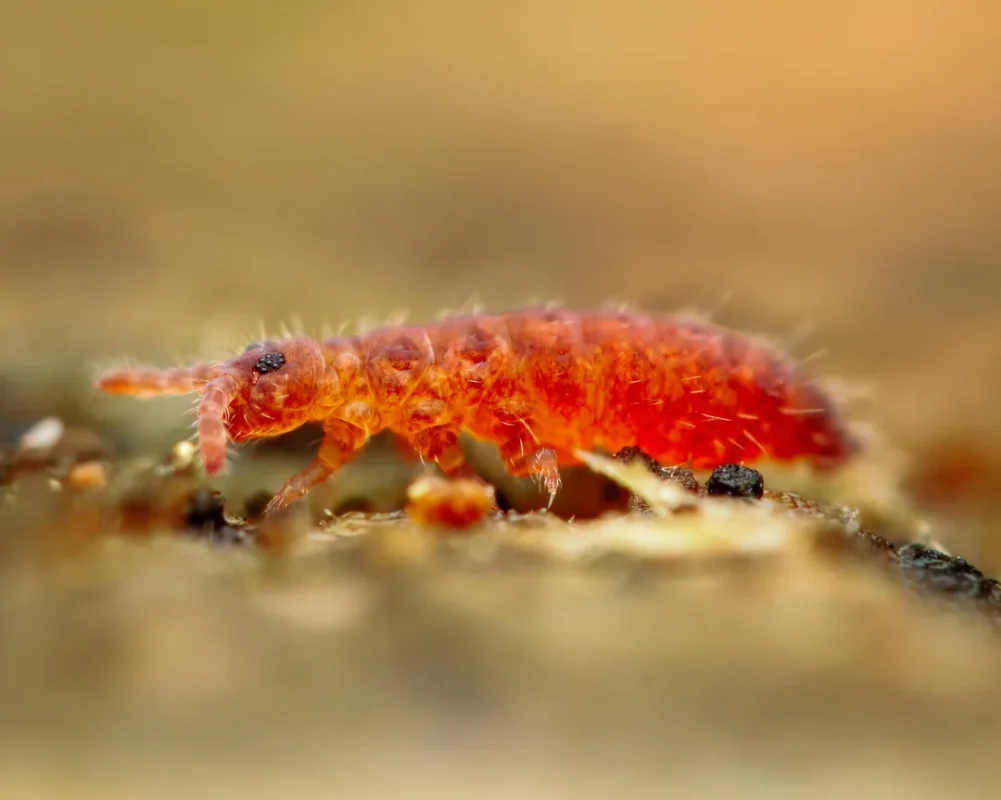
Tropical species are adapted to consistently warm, consistently humid environments, and perform best by reproducing faster and processing waste more efficiently when kept within that narrower preferred range. Outside of it, they decline faster than a temperate species would under the same conditions.
Neither group is objectively “hardier” or “better.” Each is suited to a different set of conditions, and matching your enclosure to the right group is the actual decision that matters.
2. Temperate Springtails: Traits and Best Uses
Temperate springtails handle the ordinary temperature swings of a typical household environment well like a few degrees warmer during the day, cooler at night and without the population declining the way a more sensitive tropical species might under the same fluctuation. This makes them the most forgiving option for keepers still learning to maintain consistent culture conditions.
Best suited for:
- Cooler reptile and amphibian setups kept below tropical vivarium temperatures
- First-time bioactive keepers who want the most forgiving starter culture
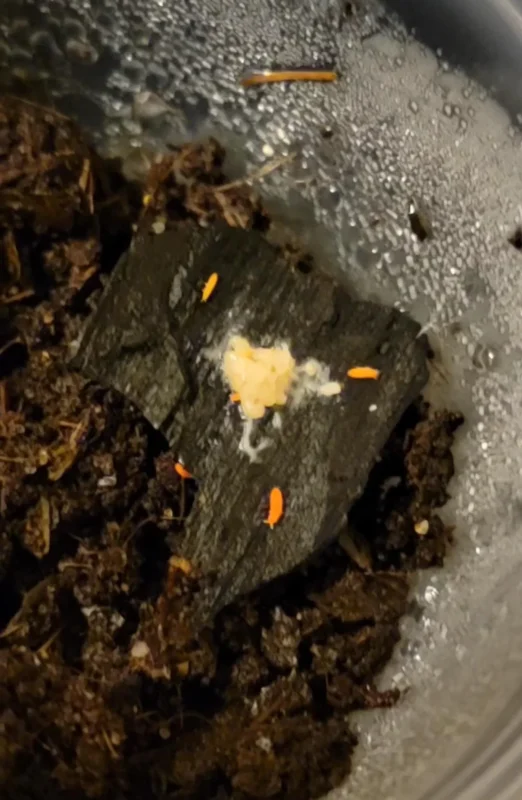
- Standalone backup cultures kept outside an enclosure, where conditions are less controlled than inside a vivarium
- General-purpose cleanup crew duty where feeding response and color visibility aren’t a priority (see our dart frog feeding guide for setups where visibility does matter)
3. Tropical Springtails: Traits and Best Uses
Tropical springtails need consistently warm roughly 75–85°F and consistently humid conditions to perform well. Within that range, they typically establish and reproduce faster than a temperate species would in the same warm, humid setup, since the conditions match their natural tolerance rather than pushing against it.
The trade-off is reduced forgiveness outside that range. A tropical culture allowed to run too cool, too dry, or with inconsistent humidity will decline noticeably faster than a temperate culture facing the same lapse in care.
Best suited for:
- Tropical vivariums and dart frog enclosures running warm and consistently humid
- Paludariums and other high-humidity bioactive builds
- Keepers already comfortable maintaining stable temperature and humidity, rather than as a first-ever culture
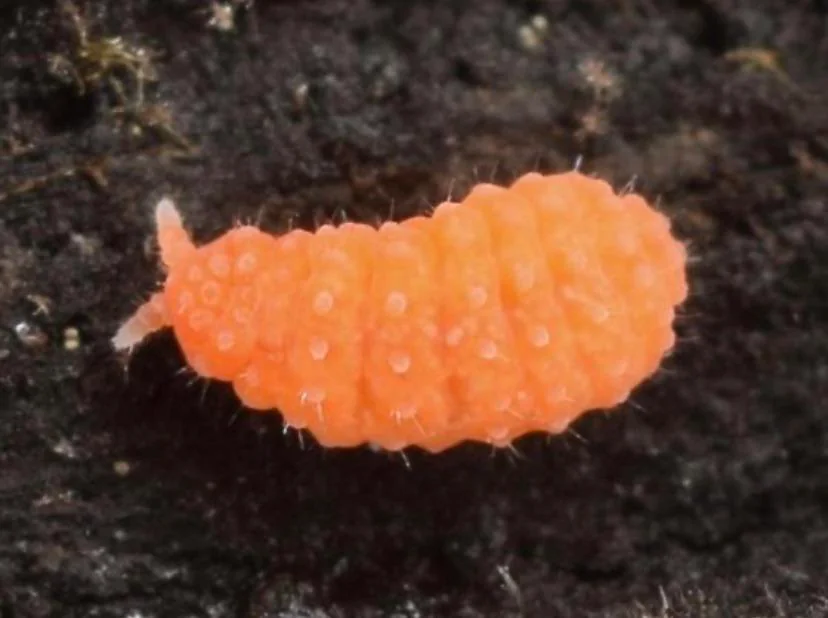
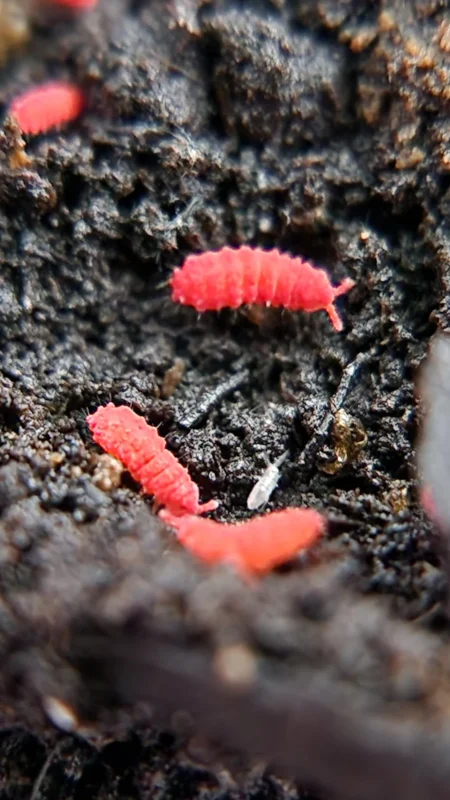
- Setups specifically pairing with color-morph species like Tropical Pink or Thai Red springtails, both of which are tropical-range species. See our Tropical Pink Springtail Culture and Thai Red Springtails product pages

4. Side-by-Side Comparison
| Temperate Springtails | Tropical Springtails | |
|---|---|---|
| Preferred temperature | Broad range, tolerates cooler conditions | Roughly 75–85°F, consistently warm |
| Preferred humidity | Tolerates more variability | Consistently high humidity |
| Forgiveness of care lapses | Higher | Lower |
| Best for beginners | Yes | Better once comfortable with humidity control |
| Best enclosure type | Cooler reptile/amphibian terrariums | Tropical vivariums, dart frog enclosures, paludariums |
| Reproduction speed in matched conditions | Reliable | Faster, when conditions are well-matched |
| Common species example | Folsomia candida | Various tropical Collembola species, including color morphs |
5. How to Tell If You’ve Picked the Wrong One
A few signs suggest a species-environment mismatch rather than a general care issue:
- A tropical culture that seems sluggish or is declining despite reasonable feeding and moisture; check whether your enclosure’s temperature is actually staying in the 75–85°F range consistently, not just occasionally.
- A temperate culture in a very warm, very humid tropical vivarium that seems to be struggling more than expected; while temperate species tolerate a broad range, a consistently tropical-level environment isn’t their ideal range either, and a tropical species would likely outperform them in that specific setup.
- Comparing your experience to our bioactive terrarium crash guide; if you’re seeing early warning signs of a decline and your enclosure’s conditions don’t match your species’ preferred range, a species mismatch is worth ruling in or out alongside the other common causes covered there.
If you conclude you’ve got a mismatch, the fix isn’t necessarily abandoning your current culture, a backup culture of the better-matched species, seeded alongside or in place of the struggling one, resolves this more directly than trying to force one species to thrive outside its range.
6. Frequently Asked Questions
What’s the difference between temperate and tropical springtails? Temperate springtails tolerate a broader range of temperature and humidity conditions and are more forgiving of care inconsistencies, while tropical springtails need consistently warm (75–85°F) and consistently humid conditions to perform well, but reproduce faster than temperate species when those conditions are matched.
Which springtails are best for beginners? Temperate white springtails (commonly Folsomia candida) are generally the best starting point for beginners, since they tolerate a wider range of conditions and are more forgiving of the small care inconsistencies common while still learning culture maintenance.
Can I use temperate springtails in a tropical vivarium? Temperate springtails can survive in a tropical vivarium, but they aren’t specifically adapted to that consistently warm, humid range the way a tropical species is, and may be outperformed by a properly matched tropical species in that specific setup.
Do tropical springtails need a heater or humidifier? Tropical springtails need consistently warm, humid conditions, which in most dart frog and tropical vivarium setups are already being maintained for the primary animal’s needs. A stand alone tropical culture kept outside such an enclosure may need supplemental heating or humidity control to stay within their preferred range.
Why did my tropical springtail culture decline faster than expected? Tropical species are less forgiving of temperature or humidity lapses than temperate species. If your culture is declining, check whether your enclosure has been consistently within the 75–85°F, high-humidity range tropical springtails need, since even a temporary lapse can affect them more than it would a temperate culture.
Are temperate or tropical springtails better for a plant setup? Tropical springtails are generally the better choice for warm, humid plant setups. They thrive in bioactive environments, reproduce quickly, and help keep the substrate clean by feeding on mold and decaying organic matter.
Choosing between temperate and tropical springtails comes down entirely to matching the species to your enclosure’s actual conditions, not picking whichever is more popular or convenient. If you’re still unsure after reading this, temperate white springtails remain the safest, most forgiving starting point as you can always add a tropical or color-morph species once you’re comfortable maintaining consistent conditions. Browse our full range of springtail cultures to compare current species and availability.
