
Isotoma viridis Green Springtail Culture | Cool-Climate Springtails for Moss Terrariums
Price range: $30.00 through $380.00
Buy Isotoma viridis — the Green Springtail — a bright vivid green cool-climate springtail named directly for its distinctive colouration and the definitive species choice for moss terrariums.
Found naturally in moist habitats including moss, leaf litter, stones, and snow surfaces across the Holarctic region, I. viridis is ecologically at home in the cool, consistently damp conditions that moss terrariums demand.
Feeds on fungal hyphae, algae, and decaying leaf matter.
Active, surface-visible, and strikingly coloured against both bare and planted terrarium surfaces.
Beginner-friendly and widely adaptable.
Raised in-house and shipped with a live arrival guarantee.
Select your quantity below.
Isotoma viridis — Green Springtail Culture | Cool-Climate Springtails for Moss Terrariums
There is one temperate springtail species whose colouration does something none of its category peers can manage.
it disappears into green moss and then reappears, vivid and unmistakable, the moment it moves onto bare substrate, bark, or soil.
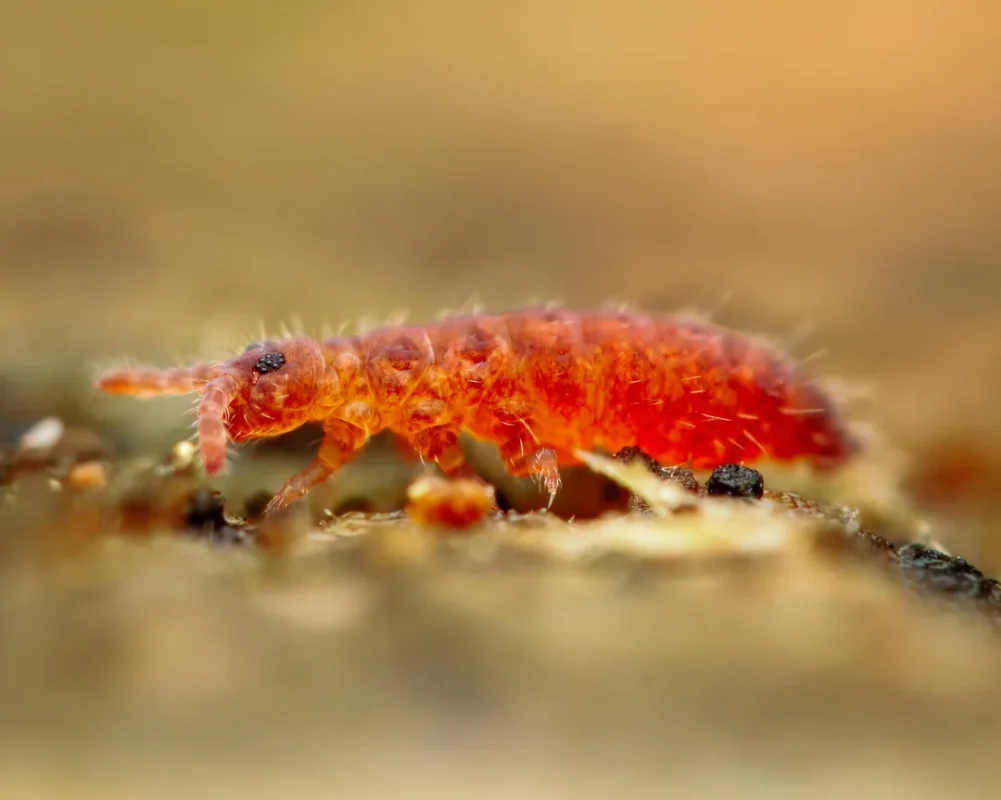
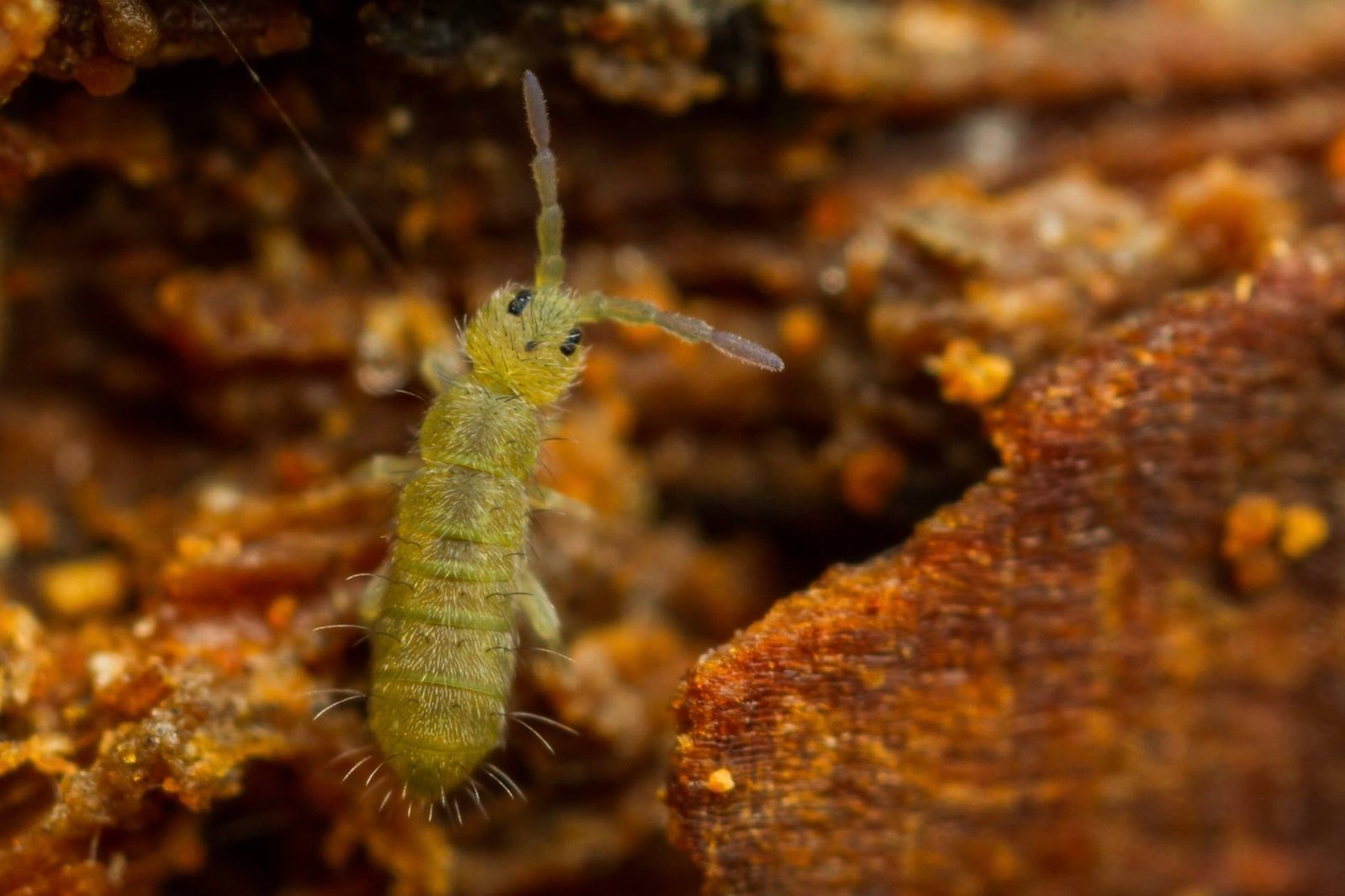
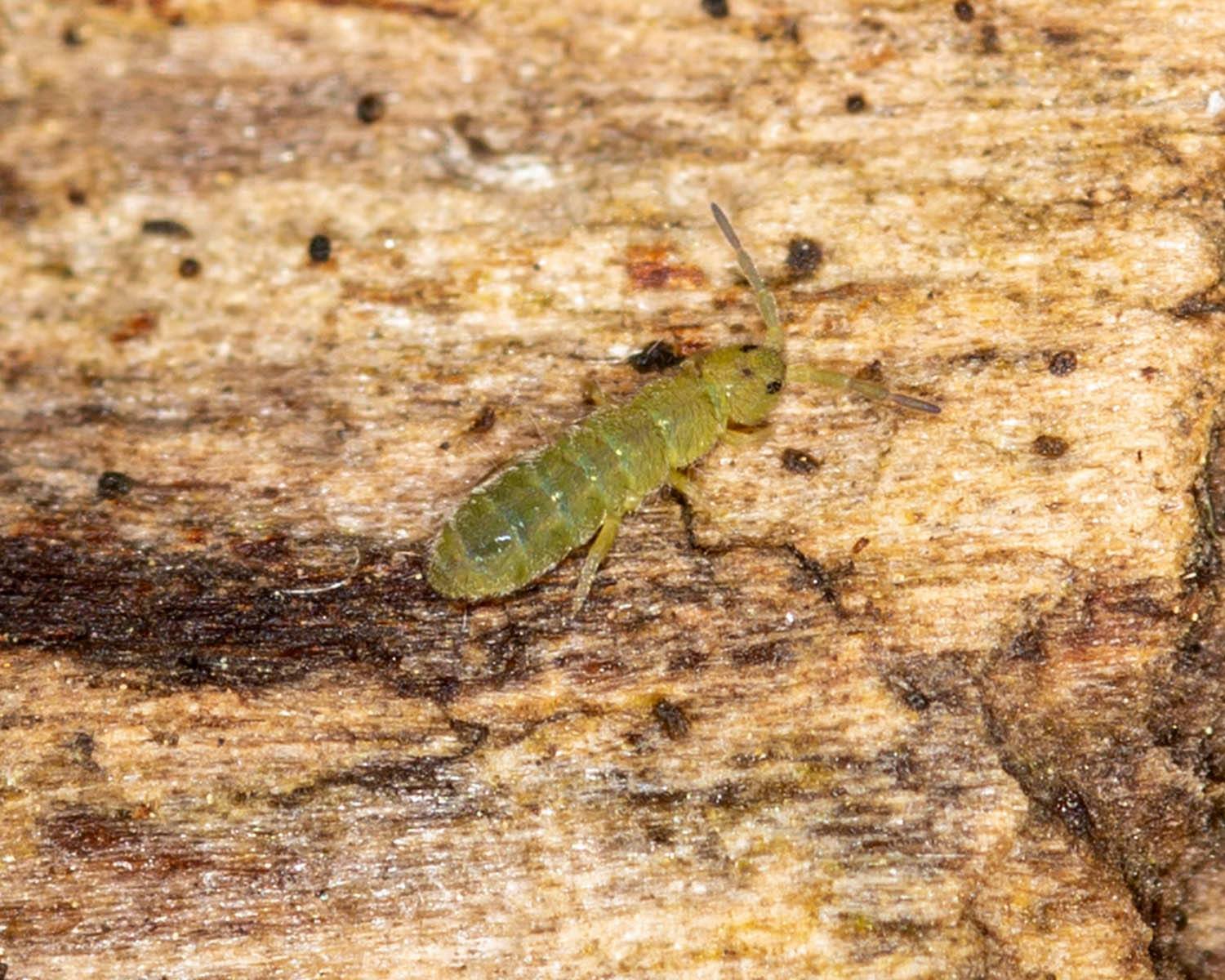
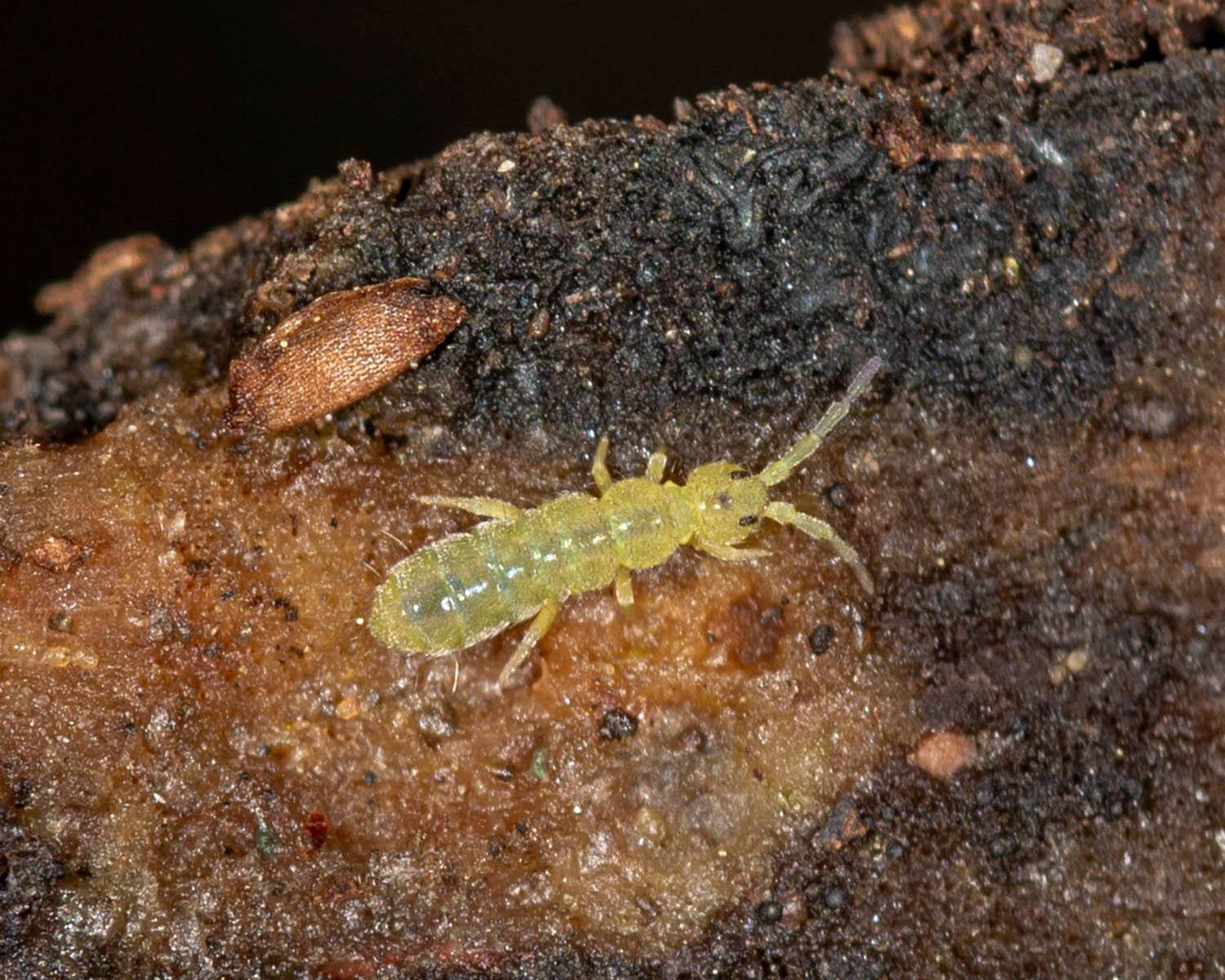
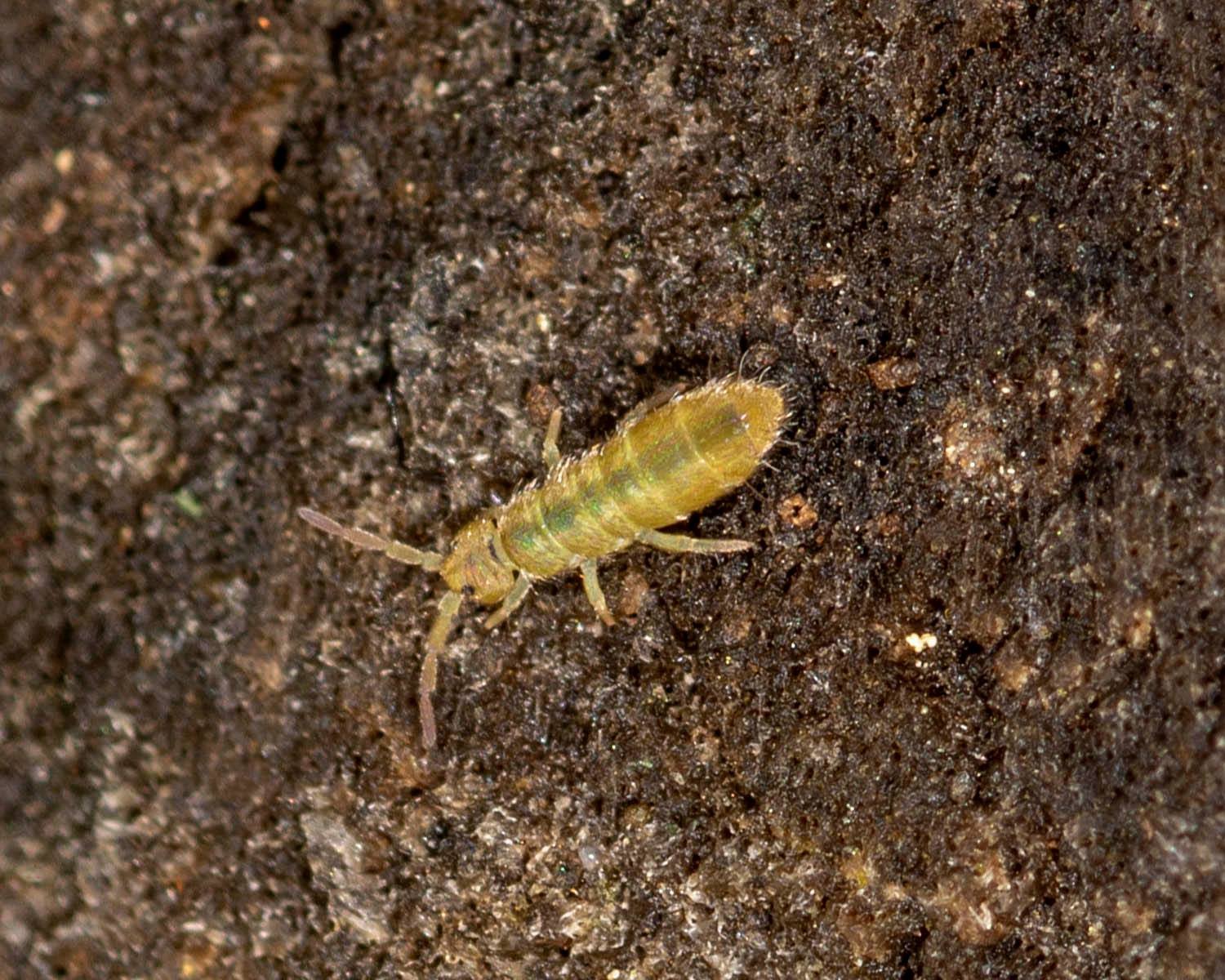
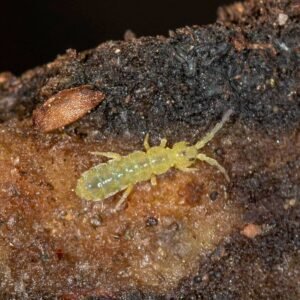
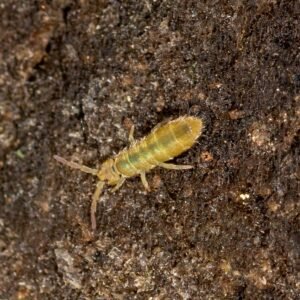
Isotoma viridis — the Green Springtail is named directly for its striking colouration: viridis is Latin for green, and the bright, vivid green body of this species is the defining feature that sets it apart from every other cool-climate springtail in the hobby.
Found naturally across the Holarctic region from the meadows, garden soils, and leaf litter of Europe through to North America, I. viridis is a common, widespread, and ecologically well-documented species with a specific affinity for the moist, organic-rich, moss-heavy habitats that temperate terrarium builders invest so much care in recreating.
It is the only vivid green springtail readily available in dedicated terrarium culture. And in a moss terrarium, that specificity matters enormously.
The Green Springtail — What Makes It Unique
Isotoma viridis belongs to the family Isotomidae; the same family as Folsomia candida but where F. candida is pale, small, and effectively invisible, I. viridis is bright, active, and genuinely striking in an enclosure setting:
- Bright vivid green colouration — the most distinctively coloured of all commonly cultured temperate springtails; the green stands out sharply against pale substrate, bark, and rotting wood while blending beautifully against moss and green plant material
- 2–4mm elongated body — a meaningful size for a temperate species; larger than standard white springtails and visible to the naked eye in a well-lit display terrarium
- Body clothed in fine short hairs — giving the surface a subtly textured, velvety appearance under close observation or macro photography
- Small pale dorsal spots — fine pale markings along the dorsal surface add depth and pattern to the vivid green base colouration
- Runs actively with strong springing movement — a high-energy surface dweller that covers ground quickly across moss, litter, and substrate surfaces; genuinely entertaining to watch in motion
- Holarctic distribution — one of the most widely distributed green springtail species in the Northern Hemisphere, found across the Palearctic and into North America; ecologically proven across a vast range of cool, moist conditions
- Year-round active including on snow surfaces — I. viridis is found active across all seasons including cold periods when other species have slowed, making it a reliable performer in the coolest terrarium conditions
Why I. viridis Is the Definitive Moss Terrarium Springtail
Moss terrariums have specific requirements that most springtail species aren’t optimised for.
The cool, consistently damp, low-nutrient, high-moisture conditions that moss demands are exactly the conditions where I. viridis thrives naturally.
It is found in the wild in moist habitats under stones and logs, in leaf litter and moss across all seasons, including on snow surfaces during cold periods.
The combination of its cool-climate adaptation, moisture preference, and vivid green colouration makes it uniquely suited to moss terrarium use in three distinct ways:
Functionally — feeds specifically on fungal hyphae, fungal spores, decaying leaf matter, and algae; precisely the organisms that build up in cool, damp, moss-rich environments and cause the slow degradation of closed terrarium ecosystems
Visually — the vivid green colouration creates a natural camouflage effect against moss surfaces while providing sharp visible contrast against bare substrate, creating a dynamic visual experience as individuals move between the two zones
Ecologically — its natural affinity for moist habitats including moss, leaf litter, and organic soil means it doesn’t merely tolerate a moss terrarium — it inhabits one naturally and performs at its ecological best within it
Diet and Feeding Behaviour
Isotoma viridis is a specialist fungivore and detritivore with a diet specifically aligned to the organic content of cool, moist temperate environments:
- Fungal hyphae and spores — the primary food source, making it a highly effective mold controller in cool, damp enclosures
- Decaying leaf matter — processes leaf litter at the surface and litter layers
- Algae — feeds on algal growth on substrate surfaces, bark, and stone features within the enclosure
- Brewer’s yeast and springtail food supplements — accepts supplemental feeding readily in culture
Its active running behaviour means it forages across a wide area of the enclosure surface rather than concentrating in a single zone — distributing its cleanup function broadly across moss, substrate, wood, and stone features.
Who Is This Species For?
- Moss terrarium builders — the single most ecologically and visually appropriate temperate springtail for cool, moist, moss-rich closed terrarium environments
- Keepers who want a green cleanup crew — I. viridis is the only vivid green springtail readily available in dedicated culture; an essential choice for builders who care about the aesthetic coherence of their microfauna
- Cool and cold-climate vivarium keepers — thrives in the cool, consistently moist conditions that challenge or exclude warm-climate springtail species
- Macro photographers and content creators — the vivid green colouration, fine hair texture, and pale dorsal spots make I. viridis one of the most photogenic small temperate springtails available
- Multi-species collectors completing a comprehensive temperate collection with the only vivid green Isotomidae culture in the range
- Planted cool-climate builds — fern terrariums, woodland floor setups, and moss-dominant enclosures where a green springtail completes the naturalistic aesthetic at every level
Care Level: Beginner. I. viridis is a common, widespread, and adaptable species found across a vast natural range. Straightforward to establish and maintain in cool, moist terrarium conditions. One of the most forgiving green springtail options available.
Care & Housing Requirements
| Parameter | Recommended Range |
|---|---|
| Temperature | Cool to moderate — thrives across a wide temperate range including near-cold conditions |
| Humidity | High — moist habitats; moss, leaf litter, and damp substrate essential |
| Substrate | Organic soil with moss, leaf litter, algae-covered surfaces, stones, and bark |
| Diet | Fungal hyphae, algae, decaying leaves, brewer’s yeast, springtail food |
| Enclosure | Secure-lidded container with moderate ventilation — active jumper |
| Care Level | Beginner |
Practical care tip: I. viridis thrives specifically in the moist, moss-rich microhabitat.
A living moss layer on top of your culture substrate is both an aesthetic feature and a functional benefit providing shelter, moisture retention, and algal food sources that boost colony health and activity simultaneously.
What’s Included
Each culture contains approximately 50 Isotoma viridis springtails, including adults and juveniles, raised in-house at Springtails Culture on organic soil substrate with moss and shipped with our live arrival guarantee.
Select your preferred quantity at checkout. All cultures are active, counted by estimation, and packed with care.
The Ultimate Moss Terrarium Cleanup Crew
Pair Isotoma viridis with Folsomia candida for complete ecological coverage in a moss terrarium, F. candida working deep in the soil layer while I. viridis covers the cool, moist surface and moss zones above.
For a fully layered temperate system with complete visual and functional diversity, add Orchesella cincta for bold banding and vertical range, and Hypogastrura vernalis for the coldest, dampest microhabitats.
Four species, four distinct roles, one complete and thriving cool-climate ecosystem.
Shipping & Live Arrival Guarantee
All active cultures from Springtails Culture are carefully packed and monitored throughout transit.
For our cool-climate I. viridis cultures, we take particular care to avoid heat exposure during shipping, ensuring your cultures arrive alive, active, and ready to establish in their moss terrarium home.
Please note: Quantities are estimated counts. Cultures may vary slightly in number. All sales are final — please review our Refund & Returns Policy before purchasing.
| Weight | 0.5 lbs |
|---|---|
| Species | Isotoma viridis |
| Common Name | Green Springtail |
| Type | Temperate (cool preference) |
| Difficulty | Beginner–Intermediate |
| Temperature | 12–20°C (54–68°F) |
| Humidity | High (70–90%) |
| Use | Cleanup crew / moss companion |
| Substrate | Sphagnum moss, live moss, damp topsoil |
| Live Arrival | Guaranteed |
| Care Sheet | Included |
| quantity | 100 springtails, 1000 springtails, 150 springtails, 200 springtails, 250 springtails, 50 springtails, 500 springtails |
Be the first to review “Isotoma viridis Green Springtail Culture | Cool-Climate Springtails for Moss Terrariums”
Related products
Temperate Springtails
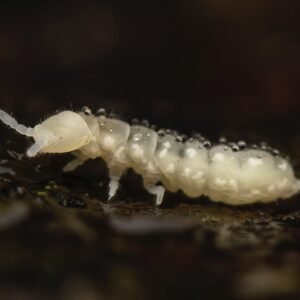
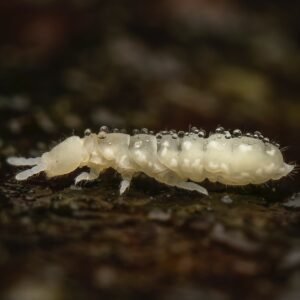
Folsomia candida White Springtail Culture | Temperate Cleanup Crew for Terrariums & Bioactive Setups
Temperate Springtails
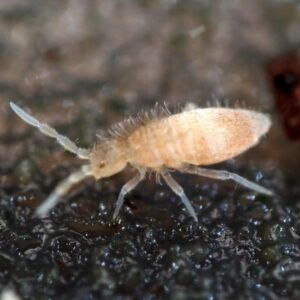
Sinella curviseta – Pink Curved Springtail Culture — Planted Vivarium Bioactive Substrate Kit
Rare and Exotic Springtails
Sminthurus viridis — Lucerne Flea Culture | Globular Springtail for Decaying Matter Terrariums
Temperate Springtails
Hypogastrura vernalis | Spring Springtail Culture | Cool Damp Compost Terrarium Springtails
Temperate Springtails
Temperate Springtails
Tomocerus minor | Large Temperate Springtail Culture | Woodland Leaf Litter Processor
Reviews
There are no reviews yet.