
Lilac springtails Ceratophysella Culture — Tropical Purple Bioactive Cleanup Crew Substrate Kit

Price range: $30.00 through $380.00
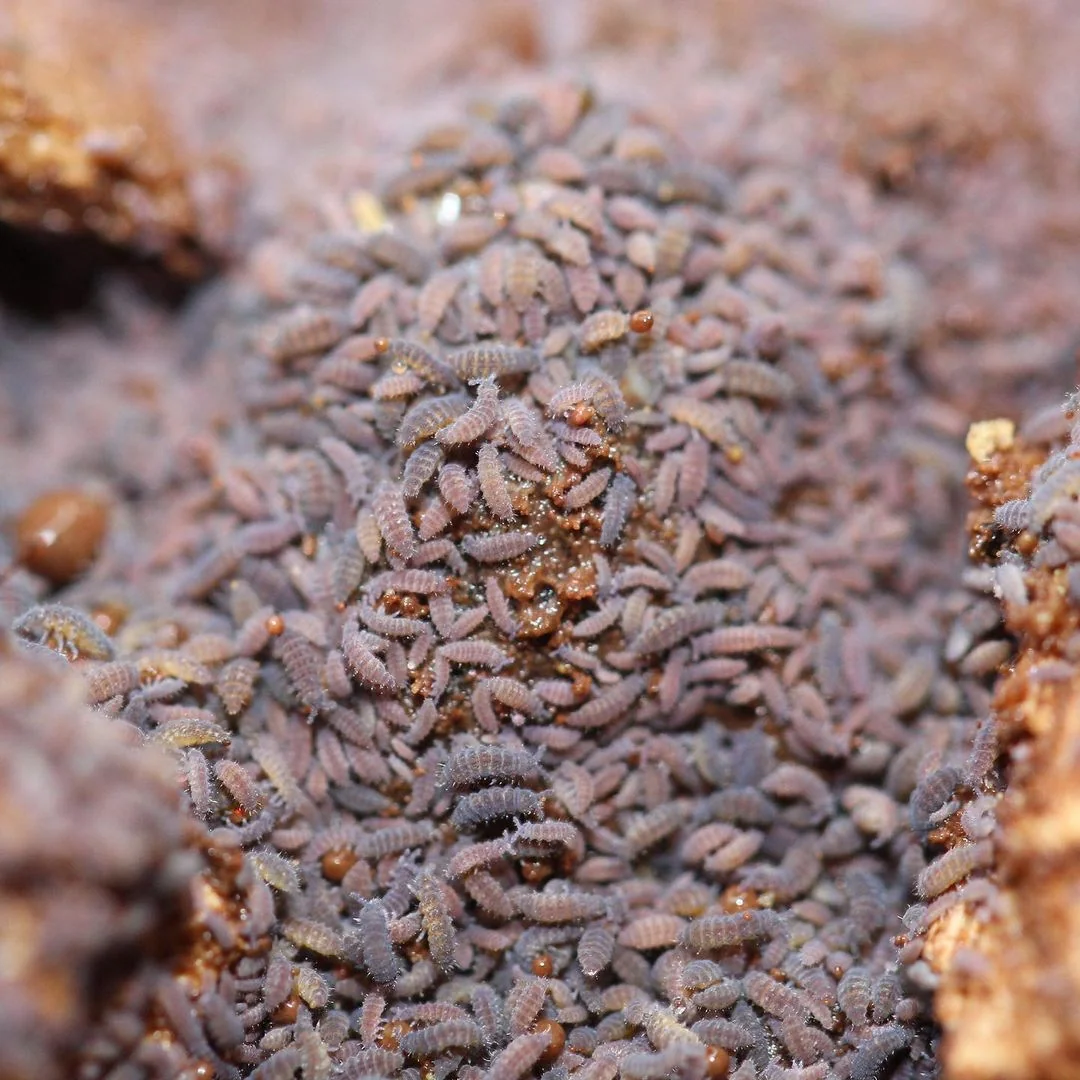
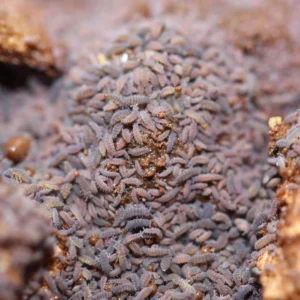
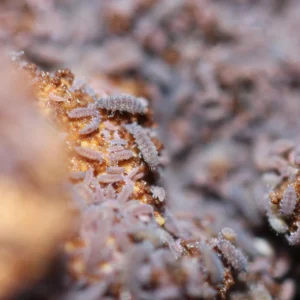
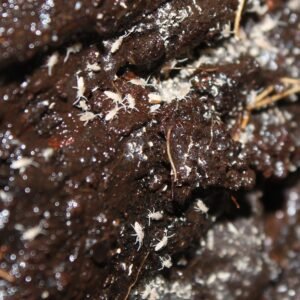
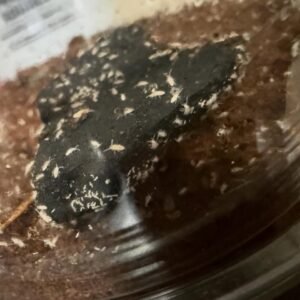
Buy Ceratophysella sp. “Lilac” — Tropical Lilac Springtails is the only tropical springtail species that brings genuine lilac-purple colour to your vivarium substrate, with a unique colony effect where large established groups produce a breathtaking powder-purple shimmer across the enclosure floor.
Compact, chubby Ceratophysella body form, prolific reproduction, and serious mold control performance as functional as they are beautiful.
An outstanding live feeder for dart frogs with high-contrast visual appeal.
Beginner-friendly and raised in-house with a live arrival guarantee.
Select your quantity below.
Lilac Springtails Ceratophysella sp — Tropical Vibrant Bioactive Species (Ceratophysella sp. “Lilac”)
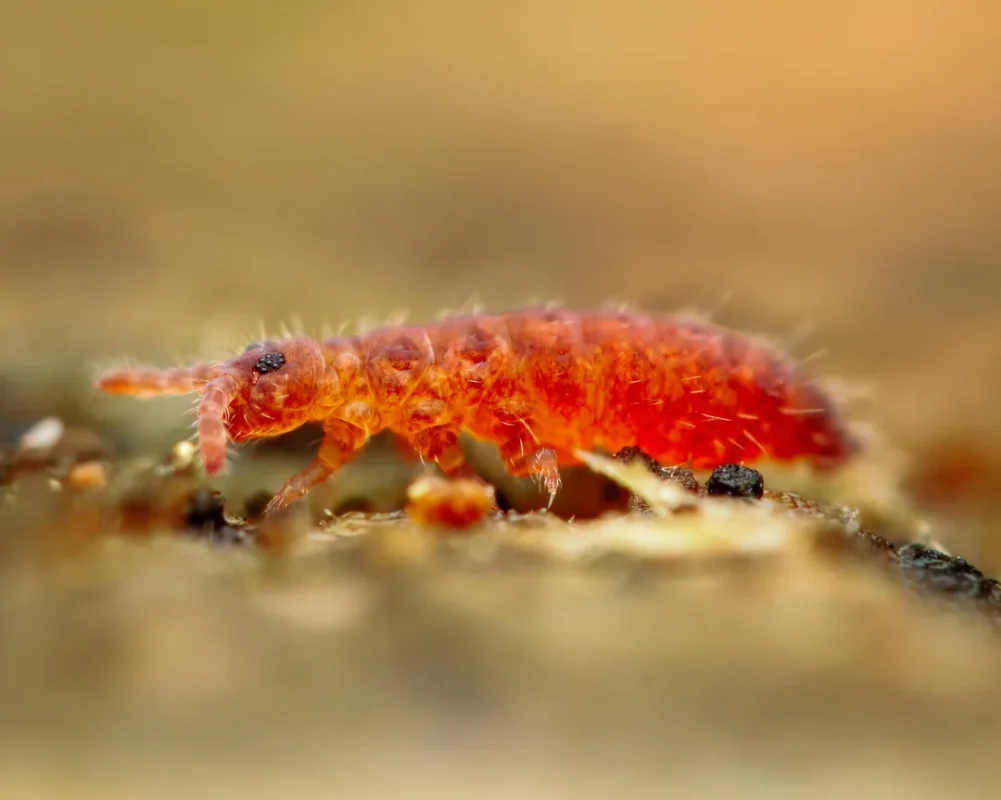
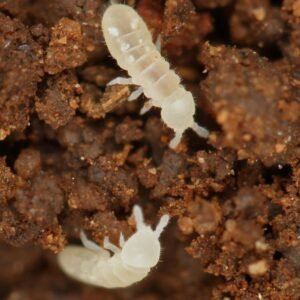
Ceratophysella sp. “Lilac” is the only springtail species in the tropical cleanup crew world that brings genuine colour to your vivarium substrate in a way that stops you mid-observation and makes you look twice.
Their distinctive lilac-purple colouration sets them apart from every other species on the market and their performance as a cleanup crew is equally impressive.
But what makes the Lilac Springtail genuinely extraordinary is what happens when the colony establishes and grows.
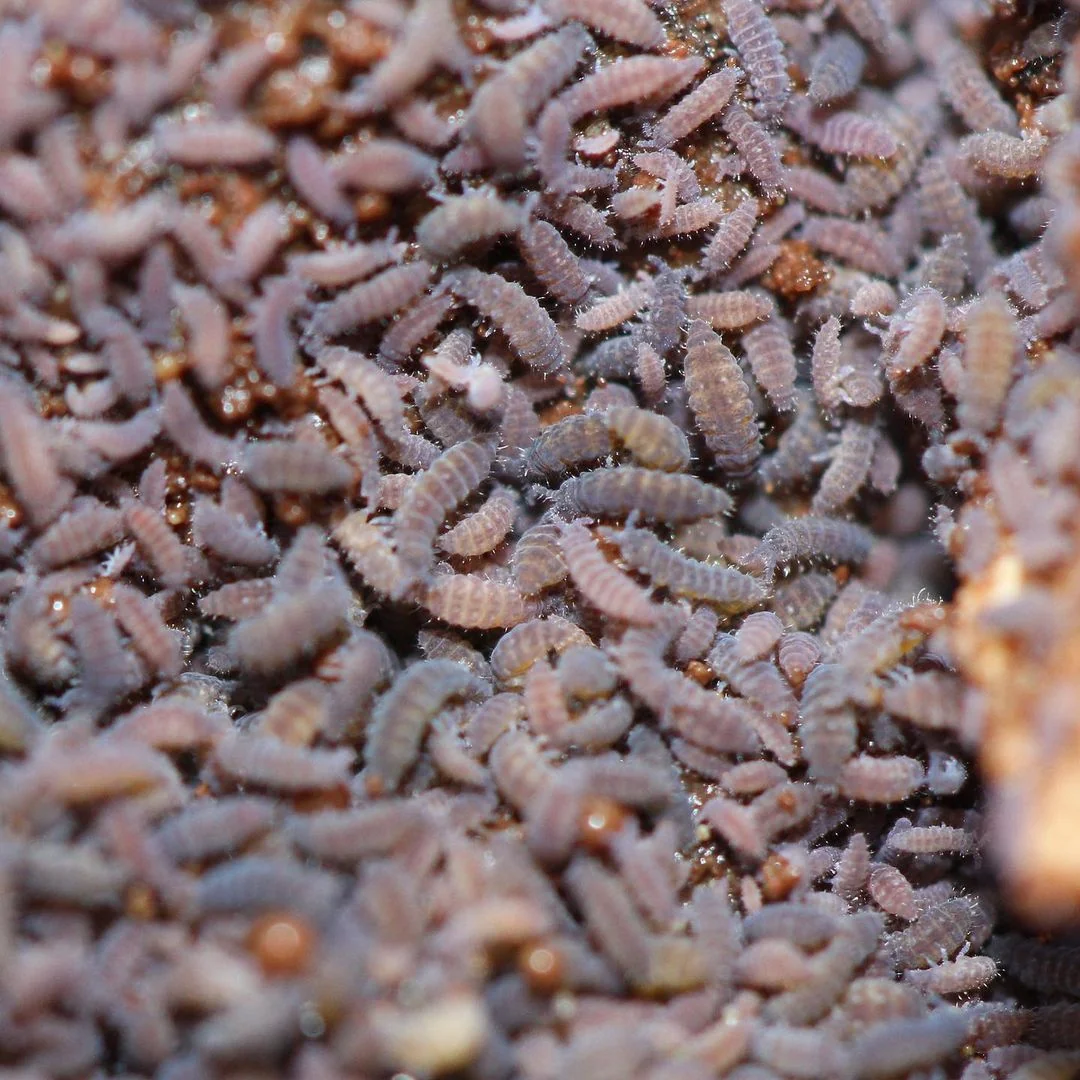
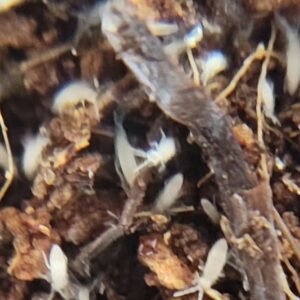
In large groups, Ceratophysella sp. “Lilac” gives off a beautiful powder-purple shimmer across the substrate surface; a living, moving wash of colour that no other springtail species can produce.
As individuals, they darken to a deep, vivid purple in bright light.
As a colony, they become one of the most visually spectacular microfauna displays in the entire bioactive hobby.
The Colour-Shifting Purple Colony — A Unique Visual Experience
Most keepers who discover the Lilac Springtail describe the same experience: they add the culture to their vivarium, wait for the colony to establish, and then one day notice that the substrate has come alive with a soft purple shimmer they’ve never seen in a bioactive enclosure before.
This is the defining characteristic of Ceratophysella sp. “Lilac” that no description fully prepares you for:
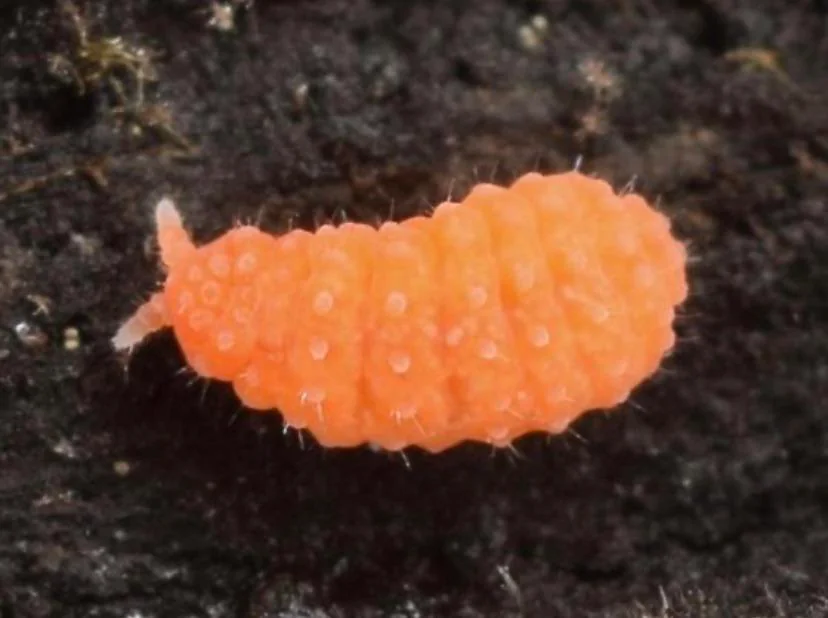
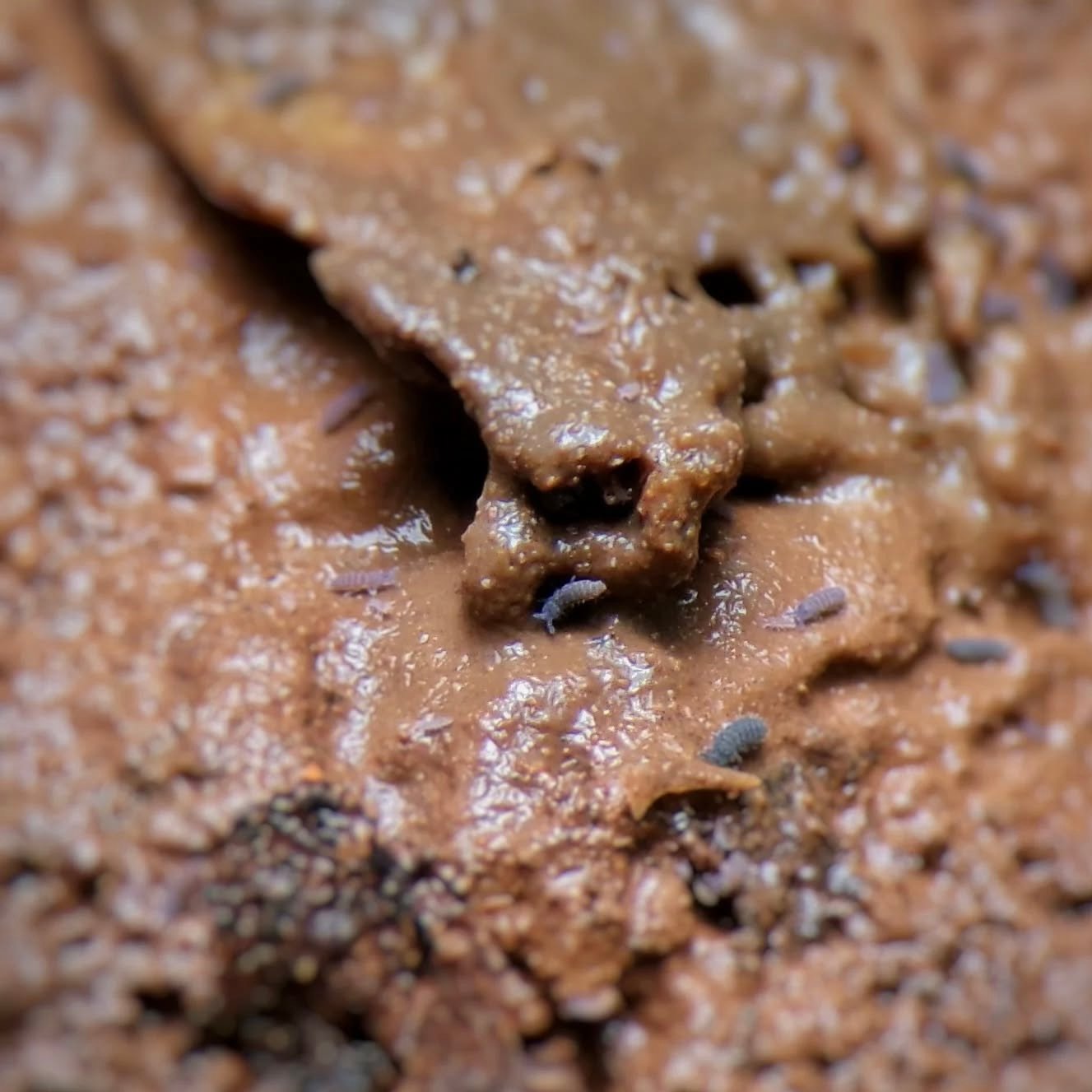
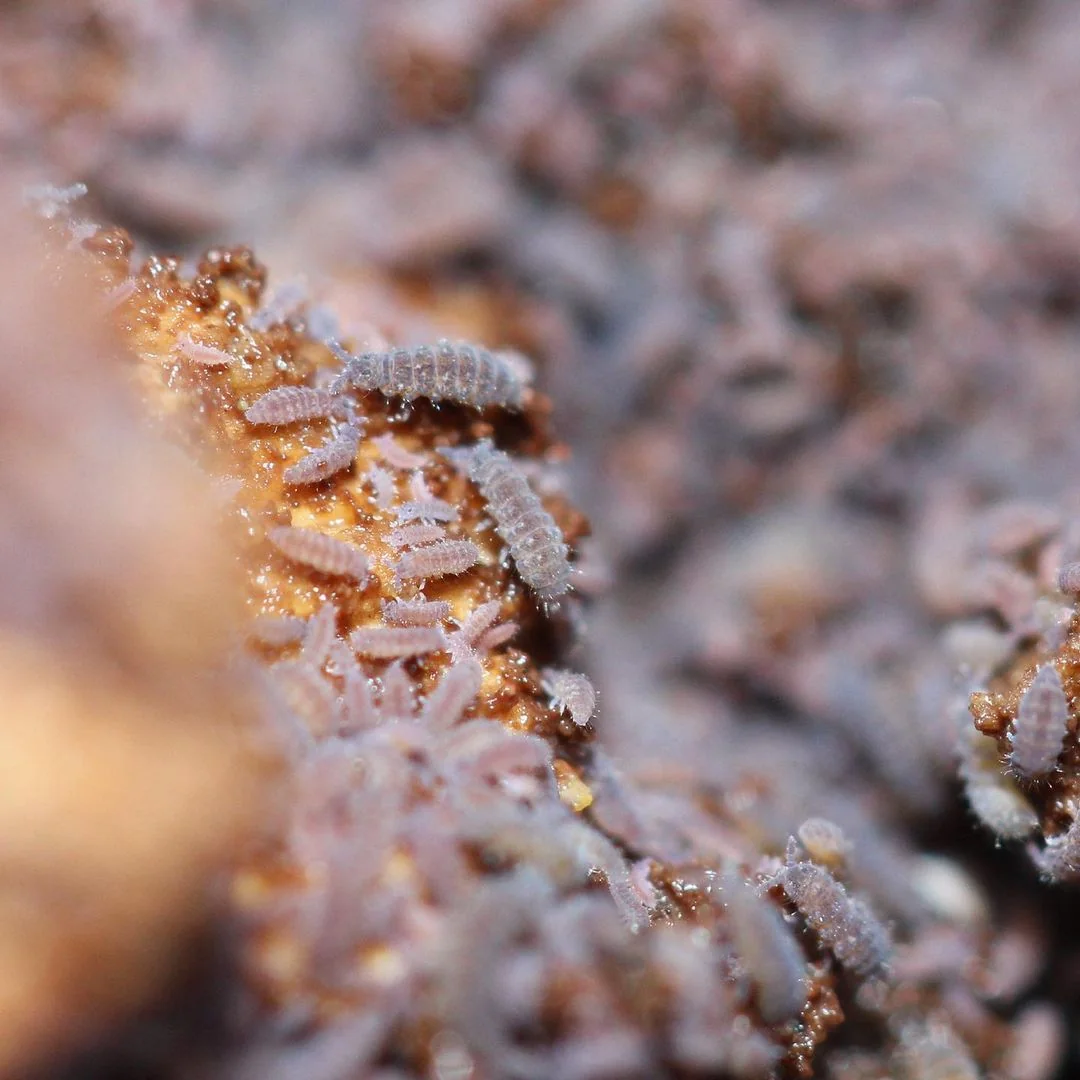
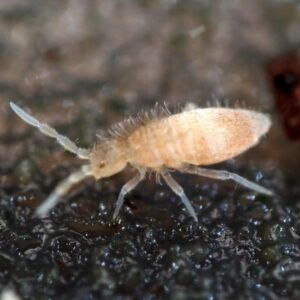
- Individual colouration — a distinctive lilac to light purple hue ranging from 0.5–2mm body length; clearly coloured and identifiable even as single animals on a dark substrate
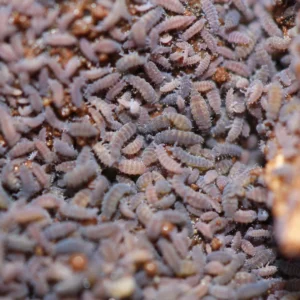
- Colony effect — in large, established groups the colony produces a collective powder-purple shimmer across the substrate surface that shifts and pulses with movement — a visual effect unique to this species in the hobby
- Light-responsive deepening — in bright or direct light, individuals darken toward a deep, vivid purple; in lower light conditions the lilac becomes softer and more pastel; the enclosure lighting genuinely changes how this species looks
- Chubby, compact Ceratophysella body form — plump and rounded rather than elongated; a distinctly different body shape from Entomobryidae species that makes them immediately recognisable and adds to their visual character
- Visible without magnification — despite their small size, the vivid colouration makes individual Lilac Springtails trackable with the naked eye in a well-lit vivarium in a way that white or translucent species are not
Cleanup Crew Performance — As Good as the Colour
The visual appeal of Ceratophysella sp. “Lilac” is matched by its functional performance.
This is not a decorative species that sacrifices cleanup ability for aesthetics; it is a prolific, fast-reproducing, highly active detritivore that delivers serious cleanup crew function alongside its remarkable appearance:
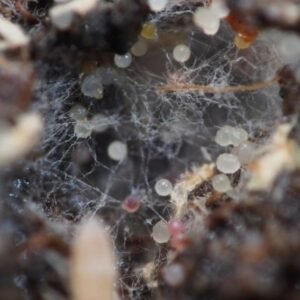
- Mold and fungal control — feeds continuously on mold spores, fungal hyphae, and bacterial biofilm throughout the substrate; particularly effective at forming dense feeding clusters on fungal hotspots, eliminating mold outbreaks at the source
- Organic waste processing — breaks down decaying plant matter, leaf litter, animal waste, and uneaten food rapidly; highly active feeders that cover significant substrate area per individual
- Nutrient cycling — converts organic waste into bioavailable substrate nutrients, enriching the soil and supporting plant health throughout the vivarium
- Prolific reproduction — one of the faster-reproducing springtail species in the hobby; colonies establish quickly and build to impressive population densities under appropriate warm, humid conditions — driving increasingly spectacular colony colour displays as numbers grow
- Soil colonisation — cultures best on moist soil and moves actively through the substrate layers as well as across the surface, providing cleanup coverage at multiple depths
Live Feeder Function
The compact, plump Ceratophysella body form are chubby and rounded compared to slender Entomobryidae species which makes Lilac Springtails particularly valuable as a live feeder:
- Chubby bodies = more nutrition per individual — the rounded body form carries more mass per animal than elongated springtail species of comparable length
- Vivid colour = strong hunting stimulus — the lilac-purple colouration against dark substrate creates a high-contrast visual trigger that stimulates hunting behaviour in dart frogs, small geckos, and micro-insectivores more effectively than invisible white species
- Appropriate size for a wide range of feeders — at 0.5–2mm, suitable for dart froglets through to adult poison frogs, small geckos, pygmy chameleons, and juvenile tropical invertebrates
- Self-replenishing in vivarium conditions — once established, the colony reproduces continuously at tropical temperatures, providing an ongoing live food supply without reordering
Who Is This Species For?
- Display vivarium builders who want a cleanup crew that adds genuine visual colour to the substrate — not just functional benefit but observable, beautiful microfauna activity
- Dart frog keepers — the vivid lilac colouration is a powerful visual feeding trigger, and the chubby body form is a nutritionally substantial prey item for a wide range of frog sizes
- Multi-species collectors who want a coloured tropical springtail that occupies a completely different visual and ecological niche from their pink, white, and patterned cultures
- Tropical and high-humidity vivarium builders — thrives in the warm, humid, organic-rich conditions of dart frog vivariums, tropical paludariums, and densely planted tropical enclosures
- Macro photographers and content creators — the colony colour effect is one of the most photogenic substrate phenomena in the bioactive hobby; a thriving Lilac colony is genuinely worth filming
- Aesthetic-first builders who choose their cleanup crew as deliberately as they choose their plants, hardscape, and animals
Care Level: Beginner. Despite their striking appearance, Ceratophysella sp. “Lilac” is easy to establish and maintain. Fast reproductive rate, soil substrate tolerance, and wide humidity adaptability make this an accessible species for any keeper ready to move beyond white springtails.
Care & Housing Requirements
| Parameter | Recommended Range |
|---|---|
| Temperature | 68–82°F (20–28°C) — optimal at 74–76°F for maximum reproduction |
| Humidity | High — damp soil with rotting wood; consistently moist substrate |
| Substrate | Moist soil-based substrate; performs well on calcium-clay or organic soil |
| Diet | Tropical fish flakes, brewer’s yeast, spirulina, decaying organic matter |
| Enclosure | Secure-lidded container with ventilation — fast movers |
| Care Level | Beginner |
Colony colour tip: The spectacular powder-purple colony shimmer develops as the population grows.
Give your Lilac culture 4–6 weeks to establish a strong colony before expecting the full visual effect and the larger the group, the more extraordinary the colour display becomes.
What’s Included
Each culture contains approximately 50 live Ceratophysella sp. “Lilac” springtails, including adults and juveniles, raised in-house at Springtails Culture on moist soil substrate and shipped with our live arrival guarantee.
Select your preferred quantity at checkout. All cultures are live, counted by estimation, and packed with care.
The Ultimate Coloured Tropical Cleanup Crew
For the most visually dynamic tropical vivarium substrate imaginable, pair Ceratophysella sp. “Lilac” with Coecobrya tenebricosa (Tropical Pink Large Form) and Tropical White (Collembola sp.). Three colours — purple, pink, and white — three body forms, three ecological niches — a living, moving, self-sustaining substrate display that functions as a complete bioactive cleanup system across every layer of a tropical enclosure.
Shipping & Live Arrival Guarantee
All live cultures from Springtails Culture are carefully packed and monitored throughout transit.
We track destination temperatures and conditions before every shipment to ensure your Lilac cultures arrive alive, active, and ready to establish their colony in their new vivarium home.
Please note: Quantities are estimated counts. Cultures may vary slightly in number. All sales are final — please review our Refund & Returns Policy before purchasing.
| Weight | 0.5 lbs |
|---|---|
| Species | Ceratophysella sp. "Lilac" |
| Type | Tropical |
| Colour | Lilac / purple |
| Difficulty | Mid |
| Temperature | 23–29°C |
| Humidity | High (70–90%) |
| Use | Cleanup crew / feeder / collector |
| Substrate | Charcoal / clay / tropical mix |
| Live arrival | Guaranteed |
| Care sheet | Included |
| quantity | 100 springtails, 1000 springtails, 150 springtails, 200 springtails, 250 springtails, 50 springtails, 500 springtails |
2 reviews for Lilac springtails Ceratophysella Culture — Tropical Purple Bioactive Cleanup Crew Substrate Kit
Add a review
Related products
Temperate Springtails
Folsomia candida White Springtail Culture | Temperate Cleanup Crew for Terrariums & Bioactive Setups
Rare and Exotic Springtails
Rare and Exotic Springtails
Tropical Springtails
Collembola sp. Tropical Yellow Springtails — Prolific Tropical Bioactive Substrate Kit

Rare and Exotic Springtails
Tropical Springtails
Temperate Springtails
Sinella curviseta – Pink Curved Springtail Culture — Planted Vivarium Bioactive Substrate Kit
Tropical Springtails
Coecobrya tenebricosa – Tropical Pink Springtail Culture — Bioactive Microfauna Substrate Kit
cecilia –
Everything arrived in good condition. The container looked small at first, but once I introduced the culture into charcoal, there were far more springtails than I expected. Shipping took a little longer than anticipated, but the culture was still healthy. thank you so much and ill circle back for the silver, blue and red.
Juliana –
I’m impressed with how active the Lilac purple springtails was on arrival. They are adapting so well to my isopod enclosure and have been thriving ever since. Your shipping techniques are mind blowing as i expected most of them dead as per my last order from other breeders. you earned my trust and vote 😊