
Terrarium & Vivarium Care
Fungus Gnats in Terrarium: Springtails vs. Other Fixes

Jul
Fungus Gnats in Terrarium: Springtails vs. Other Fixes
Small, dark, mosquito-like flies hovering near your substrate or bouncing off the glass are almost always fungus gnats — and if you’ve found them in a terrarium, vivarium, or bioactive bin, you’re dealing with one of the most common and most misdiagnosed pest problems in the hobby. Most people reach for a spray, a sticky trap, or a chemical treatment, get short-term results, and watch the gnats come right back a few weeks later.
This guide covers why fungus gnats show up in the first place, how the common fixes actually compare, and why springtails are the one option that addresses the cause rather than just the symptoms.
Table of Contents
1. What Are Fungus Gnats (And How Do You Know That’s What You Have)?
Fungus gnats are small, dark flies, roughly the size of a fruit fly, with long legs and a slow, weak flight pattern & you’ll usually see them walking across the substrate or glass more than flying with any real speed. Their larvae live in the top layer of damp substrate, where they feed on fungal growth, mold, and decaying organic matter.
A quick way to confirm you’re dealing with fungus gnats rather than fruit flies (a common mix-up, especially in dart frog vivariums that already house fruit flies as feeders): fungus gnats have longer legs, a more visible pair of wings held flat rather than tented, and are found congregating at the substrate surface rather than around fruit or feeding dishes.
2. Why Fungus Gnats Show Up in Terrariums
Fungus gnats are drawn to the exact same conditions that cause mold: consistently damp substrate with organic material and fungal growth for their larvae to feed on. The main contributing factors are:
- Overwatering. Substrate that stays saturated rather than damp is the single biggest driver of fungus gnat larvae survival.
- Existing mold or fungal growth. Fungus gnat larvae feed directly on fungal matter, so an enclosure already dealing with mold (see our mold troubleshooting guide) is providing a ready food source for gnat larvae at the same time.
- Decaying organic material with no consumer. Leftover food, decomposing leaf litter, or dead roots left unprocessed give both mold and fungus gnat larvae the same opportunity to establish.
- An absent or undersized cleanup crew. Just like with mold, this is the piece most new keepers are missing & without something actively consuming fungal growth and organic waste, gnats have an uninterrupted food supply to breed against.
3. Are Fungus Gnats Dangerous to My Pet or Plants?
Generally, no! adult fungus gnats are a nuisance rather than a direct threat to reptiles, amphibians, or invertebrates. The bigger concern is usually indirect:
- Larvae can damage seedlings and fine root systems in heavily planted enclosures, particularly affecting young or delicate plants more than established ones.
- A large population is a strong signal of an underlying moisture or waste imbalance — the same imbalance that tends to cause mold, root rot, and substrate odor issues if left unaddressed.
- Adult gnats can be a stress or annoyance factor for some enclosure animals and for keepers themselves, especially in visible display setups.
As with mold, the presence of fungus gnats isn’t usually the core problem, it’s a visible symptom of an ecosystem that’s out of balance, which is why treatments that only target the adult flies tend to see the problem return.
4. Comparing the Common Fixes
| Method | How it works | Long-term prevention? | Notes |
|---|---|---|---|
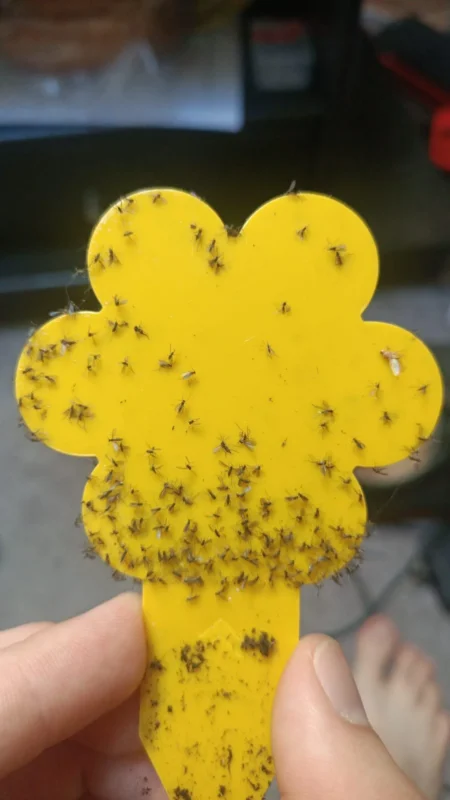
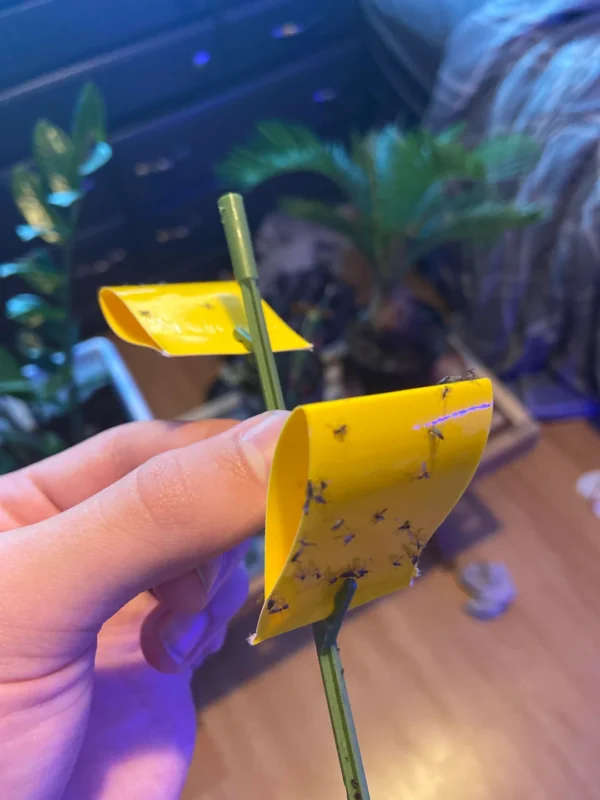
| Sticky traps | Catches adult flies on contact | No | Reduces visible adults only; doesn’t touch larvae or the food source |
| Chemical sprays | Kills adult and sometimes larval gnats on contact | No | Can harm beneficial microfauna and plants; not ideal near reptiles/amphibians |
| Nematodes | Parasitize and kill larvae in the substrate | Partial | Effective short-term larval control, but doesn’t address the underlying moisture/mold conditions driving reinfestation |
| Bti (Bacillus thuringiensis israelensis) | Bacterial larvicide, kills larvae feeding in substrate | Partial | Similar to nematodes — treats the current larvae, not what’s attracting new gnats |
| Reducing watering | Removes the moisture larvae depend on | Partial | Helps, but can also stress plants and other enclosure inhabitants if overcorrected |
| Springtails | Consume mold and fungal growth larvae depend on for food | Yes | Removes the food source continuously, rather than treating each outbreak individually |
The pattern across every method except the last one: they treat gnats that already exist, not the conditions producing them. That’s why sticky traps and sprays need to be reapplied constantly, and why nematode or Bti treatments often need repeating every few weeks in enclosures where the underlying mold and moisture issue hasn’t been addressed.
5. Why Springtails Work Where Other Fixes Fall Short
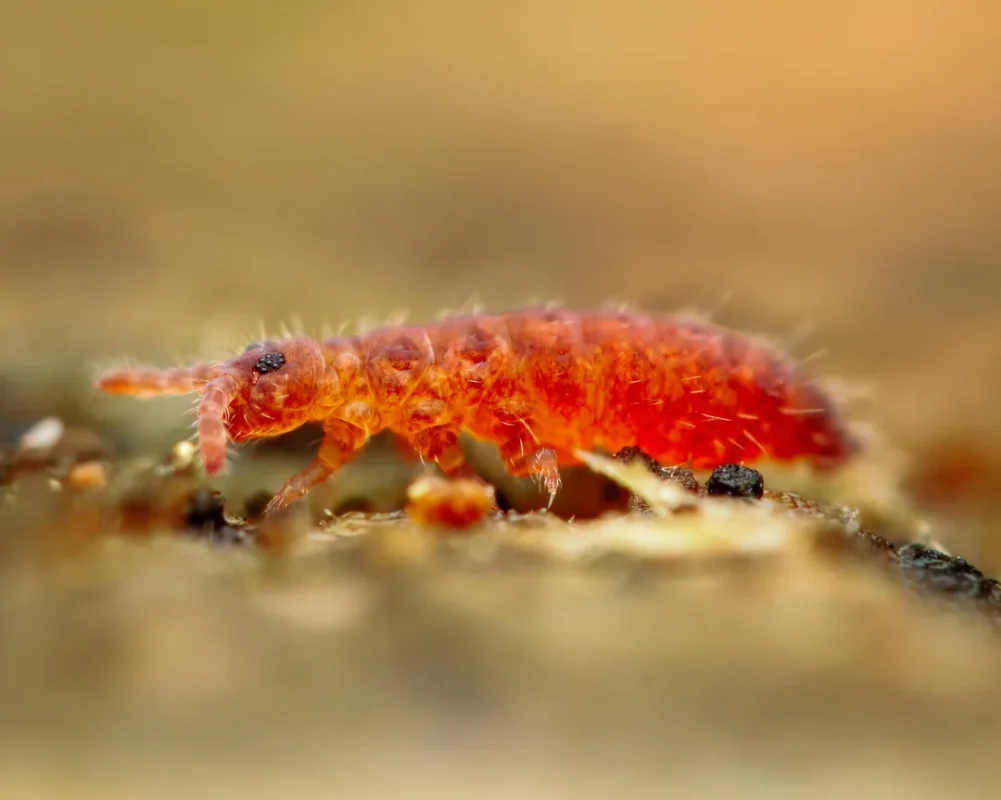
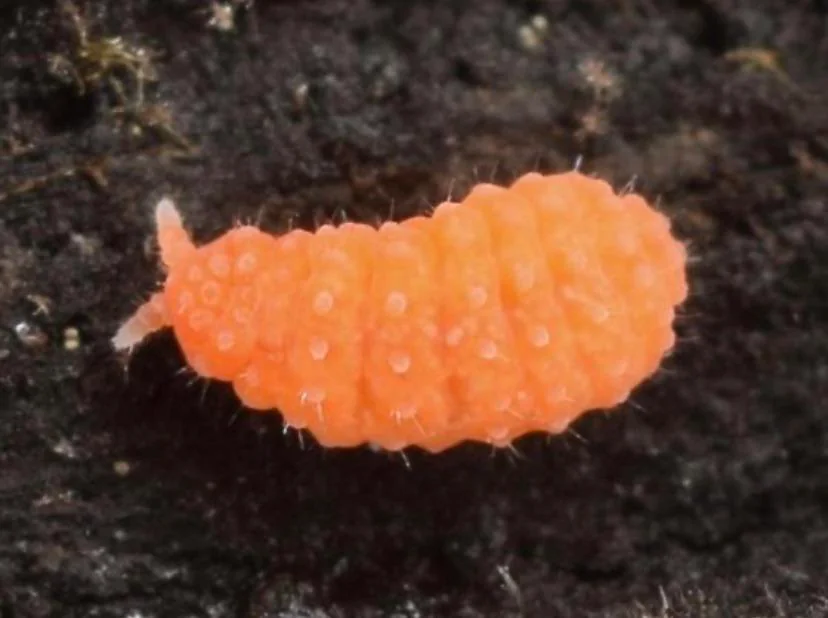
Springtails and fungus gnat larvae are essentially competing for the same food source: fungal growth and decaying organic matter at the substrate surface. A dense, established springtail population outcompetes gnat larvae for that food supply directly, which does two things at once:
- Reduces the fungal growth and organic buildup gnats need to breed against in the first place
- Limits the resources available to any gnat larvae that do hatch, reducing the population that survives to adulthood
This is a fundamentally different mechanism than a nematode or Bti treatment, which targets existing larvae directly but does nothing to change the conditions that let new larvae establish afterward. Springtails work continuously and preventatively, rather than as a one-time or periodic treatment which is why an enclosure with a healthy, established springtail population rarely develops a fungus gnat problem in the first place, rather than needing repeated intervention after one shows up.
6. Step-by-Step: Clearing an Active Fungus Gnat Problem
- Check your watering habits. If substrate is staying saturated rather than drying slightly between waterings, dial it back and this alone removes a major part of the larvae’s ideal breeding conditions.
- Address any existing mold or fungal growth using the same approach as our mold guide, since gnat larvae and mold are feeding on the same substrate conditions.
- Add or increase your springtail population. If you’re seeding for the first time, size your culture to your enclosure using our sizing guide. An undersized population will struggle to outcompete an active gnat larvae population the same way it struggles to keep up with mold.
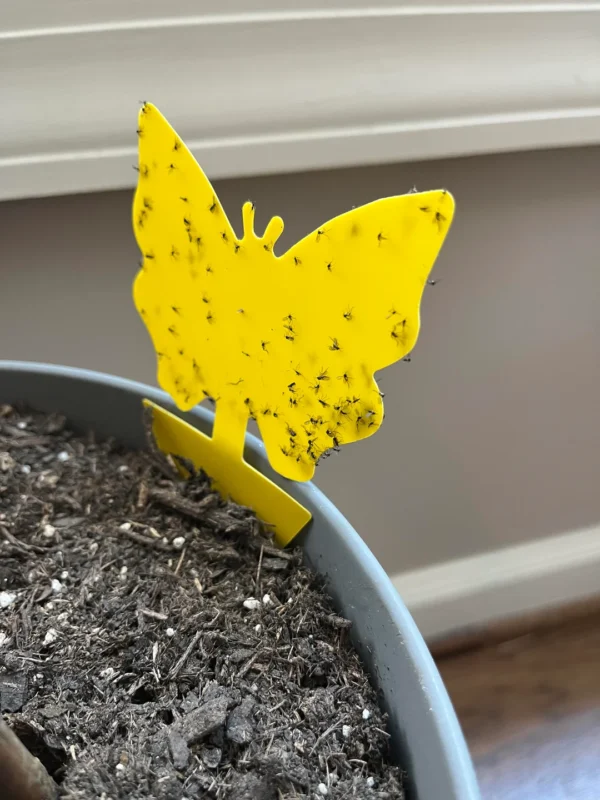
- Use sticky traps for immediate adult reduction only, not as your primary fix. They’re a reasonable stopgap while your springtail population establishes, not a substitute for it.
- Give the springtail population 1–2 weeks to establish before expecting a full reduction in gnat activity like with mold, this is a population-based fix that works continuously rather than instantly.
- Avoid chemical sprays near an active springtail or isopod culture. Most gnat-targeted chemical treatments aren’t selective and will harm your cleanup crew alongside the gnats, undermining the actual long-term fix.
7. Frequently Asked Questions
Do springtails get rid of fungus gnats? Springtails don’t kill fungus gnats directly, but they compete with gnat larvae for the same food source. that is; fungal growth and organic matter which reduces the resources available for gnat larvae to survive on and reduces future gnat populations as a result.
What’s the difference between fungus gnats and fruit flies? Fungus gnats have longer legs, flatter wings, and are typically found at the substrate surface rather than around fruit or feeding areas. Fruit flies are more commonly associated with feeder cultures in dart frog vivariums specifically.
Are fungus gnats harmful to reptiles or amphibians? Adult fungus gnats are generally not directly harmful to reptiles, amphibians, or invertebrates. Larvae can damage fine plant roots and seedlings in heavily planted enclosures, and a large gnat population usually signals an underlying moisture or mold imbalance worth addressing.
Do nematodes or Bti work better than springtails for fungus gnats? Nematodes and Bti are effective at killing existing larvae, but they don’t address the mold and moisture conditions attracting new gnats to breed. Springtails work by reducing that underlying food source continuously, which makes them more effective for long-term prevention rather than one-time larval treatment.
How long does it take springtails to clear a fungus gnat problem? Similar to mold control, most established populations take one to two weeks to noticeably reduce gnat activity, since the population needs time to establish before it can meaningfully outcompete existing larvae for food.
Can I use fungus gnat sprays if I have springtails? Most chemical sprays aren’t selective and will harm springtails and other beneficial microfauna along with the gnats, which undermines the long-term fix. Sticky traps are a safer option for reducing adult gnats without affecting your cleanup crew.
Fungus gnats and mold share the same root cause which is damp substrate with an active fungal food source and nothing consuming it fast enough. Treatments that target adult gnats or existing larvae can help in the short term, but a properly sized springtail population is the one fix that addresses what’s actually attracting them in the first place. Browse our live springtail cultures to get a population established, or read our mold guide if you’re dealing with both issues at once, they usually go hand in hand.
