
Terrarium & Vivarium Care
Why Does My Terrarium Have Mold? (And How to Fix It)
Jul
Why Does My Terrarium Have Mold? (And How Springtails Fix It)
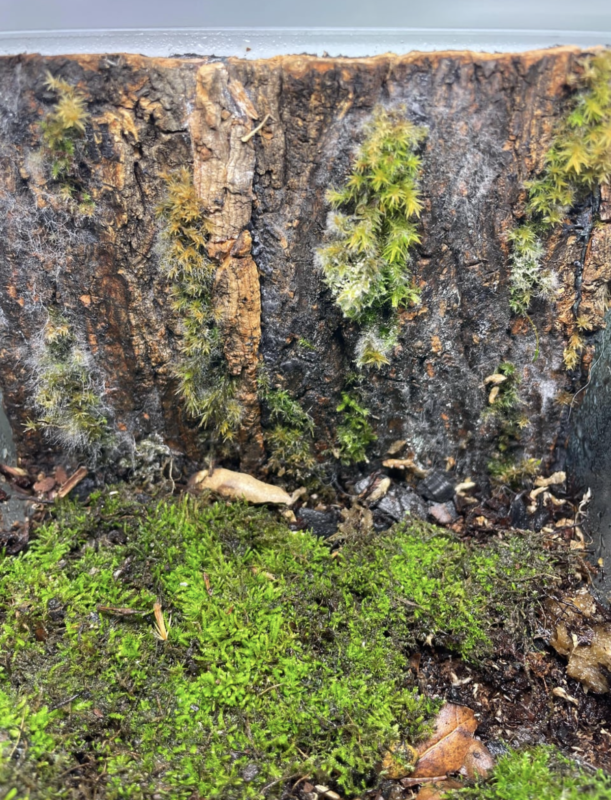
If you’ve opened your terrarium and found white, fuzzy patches spreading across the substrate, leaf litter, or décor, you’re dealing with one of the most common problems in the hobby. It’s also one of the most misunderstood; most people either panic and tear the whole setup apart, or ignore it until it gets much worse.
Neither is the right move. This guide covers exactly why mold shows up, whether it’s actually a problem, and the specific fix that stops it from coming back and not just once, but for good.
Who this is for: anyone with a new or established terrarium, vivarium, or paludarium noticing mold for the first time, and anyone who’s tried removing it manually only to watch it return within days.
Table of Contents
1. Is Mold in Terrarium Normal?
Yes — to a point. A terrarium is a warm, humid, enclosed environment with organic material (soil, wood, leaf litter) inside it.
That combination is exactly what mold needs to grow, so some degree of mold activity is a normal part of almost every terrarium’s life cycle, especially in the first few months after setup.
The distinction that actually matters isn’t “mold vs. no mold.” It’s controlled vs. uncontrolled. A terrarium with a small amount of mold that a healthy cleanup crew is actively consuming is a functioning ecosystem. A terrarium with visibly spreading, thickening mold that keeps coming back after you remove it is an ecosystem missing something and its usually a cleanup crew like springtails, or a large enough one like isopods.
2. Why Mold Grows in Terrariums
Mold needs three things to establish: moisture, organic material, and time without something consuming it. Terrariums provide the first two by design. The third is time without consumption and this is where most mold problems actually come from.
A few specific triggers make mold outbreaks worse:
- Temperature above roughly 74°F (23°C). Warmer conditions accelerate mold growth significantly, especially combined with high humidity.
- Overwatering or poor drainage. Substrate that stays saturated rather than damp creates ideal mold conditions and starves plant roots of oxygen at the same time.
- Decaying organic material with no consumer. Leaf litter, dead roots, or leftover food sitting untouched is mold’s preferred food source.
- Poor airflow. Sealed or under-ventilated enclosures trap humidity at the surface level, which is exactly where mold spreads fastest.
- A missing or undersized cleanup crew. This is the piece most new keepers skip, and it’s the difference between mold that gets managed automatically and mold that keeps winning.
3. Is Terrarium Mold Dangerous to My Pet?
In most cases, no. The white, fuzzy mold commonly seen on substrate, wood, or leaf litter in a terrarium is generally harmless to reptiles, amphibians, and invertebrates, and won’t damage healthy plant tissue either.
That said, two situations are worth taking seriously rather than assuming are harmless:
- Black mold (often Stachybotrys species) growing on wood décor or drywall-adjacent material is a different category from common white surface mold and is worth removing and addressing more aggressively.
- Any mold combined with a sick or lethargic animal should be treated as a “check with an exotics vet” situation rather than something to self-diagnose, since it’s difficult to rule out an unrelated health issue from a chat window.
For the common case — white surface mold with a healthy, active pet — the mold itself isn’t the danger. What it usually signals is an ecosystem imbalance that’s worth correcting anyway, since it tends to get worse rather than resolve on its own.
4. Signs Your Mold Problem Is More Than Cosmetic
Most mold is a cosmetic, manageable nuisance. It’s worth paying closer attention if you notice:
- Mold returning within a day or two of manual removal, every time
- Mold spreading to new areas of the substrate week over week rather than staying contained
- A visible decline in plant health alongside the mold (wilting, yellowing, root rot)
- A sudden, sharp increase in mold coinciding with a temperature spike or humidity change
Any of these point to the same root cause: the terrarium’s biological balance is off, and the fix isn’t more cleaning, it’s addressing what’s missing from the ecosystem.
5. The Manual Removal Trap (Why Wiping It Away Doesn’t Work)
Wiping mold away with a damp cloth or cotton swab feels productive, but it only removes the visible fruiting bodies and the surface-level part of the mold you can actually see.
Mold spreads via microscopic spores that are already distributed throughout the substrate, air, and surfaces of the enclosure well before you can see a visible patch.
Removing what’s visible today does nothing to stop new spores from establishing tomorrow, which is why manually-cleaned mold reliably returns within a few days in an enclosure that hasn’t addressed the underlying cause.
This is the trap most new keepers fall into: a cycle of noticing mold, wiping it away, feeling like the problem is solved, then finding it back a few days later and sometimes worse than before, since repeated wiping can spread spores to previously unaffected areas rather than eliminate them.
6. How Springtails Actually Stop Mold
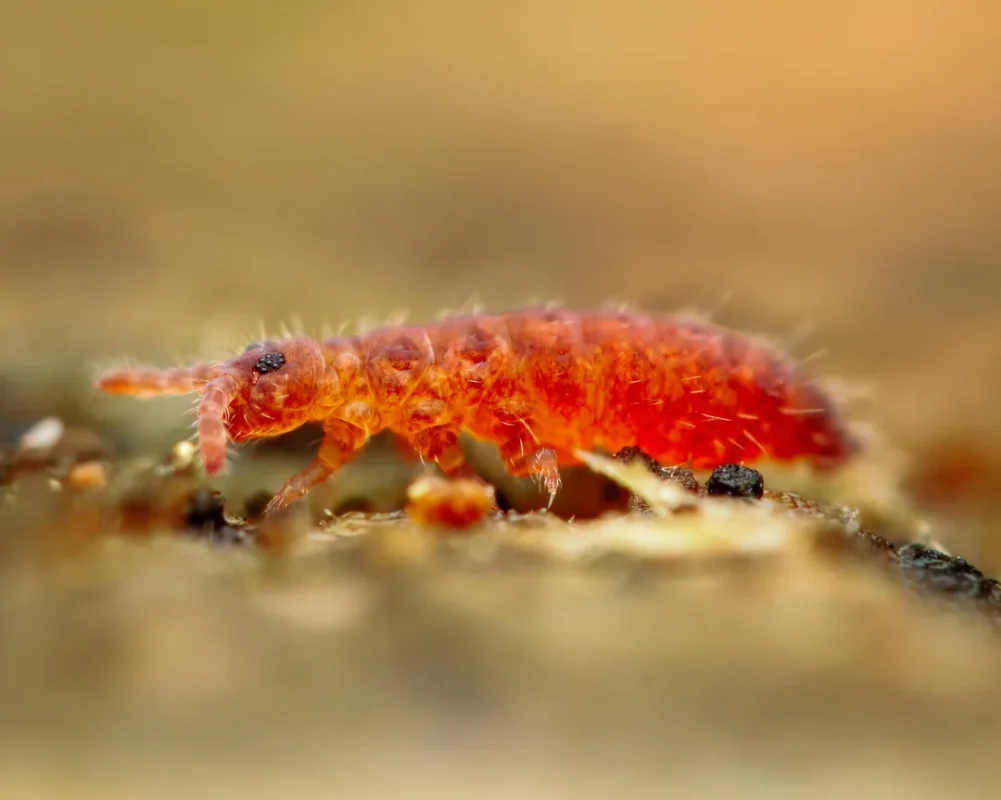
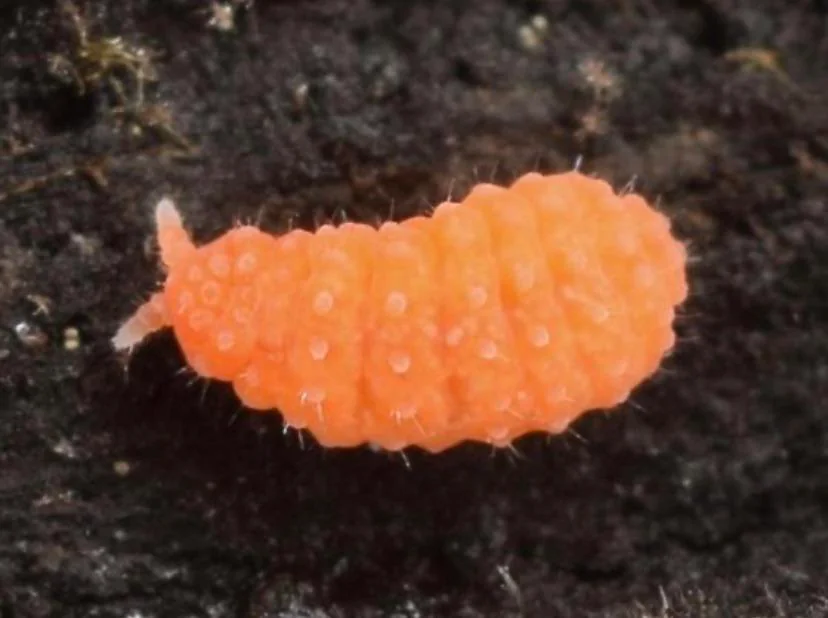
Springtails (Collembola) are one of the few cleanup organisms that directly target mold as a primary food source, rather than just organic waste in general. A healthy, established springtail population:
- Consumes mold spores before they can establish into a visible colony, not just after mold has already bloomed
- Works continuously, unlike manual removal which only addresses mold at the moment you happen to clean it
- Operates at the substrate level, reaching mold growth in areas — under leaf litter, inside substrate pockets — that manual cleaning realistically can’t access
- Scales with the problem. As mold activity increases, an established colony’s feeding activity increases correspondingly, rather than needing you to notice and intervene each time
This is the core difference between springtails and manual cleaning: springtails address the spores, continuously, before they become a visible problem — rather than reacting to mold after it’s already spread.
It’s worth noting what springtails don’t do: they won’t fix an enclosure that’s fundamentally too wet, too warm, or too poorly ventilated. They reduce and control mold growth dramatically, but pairing a springtail culture with correcting the underlying moisture or airflow issue (Section 7) gets you a permanently mold-managed enclosure, rather than one where mold growth and springtail consumption are constantly racing each other.
7. Step-by-Step: Fixing an Active Mold Problem
- Check your temperature and humidity. If your enclosure regularly runs above 74°F with consistently high humidity and low airflow, address that first as it’s the environment mold is capitalizing on.
- Remove any obviously rotting material that isn’t part of the intended bioactive substrate. For eaxmple; old uneaten food, decomposing non-substrate items — since these decay faster than the ecosystem is built to process.
- Improve airflow if your enclosure is sealed or has minimal ventilation. Even small adjustments reduce the surface humidity mold depends on.
- Add or increase your springtail population. If you don’t have a cleanup crew yet, this is the step that actually resolves the problem long-term rather than just managing symptoms. If you already have springtails but the population looks small relative to the mold activity, a booming culture added on top of your existing population brings the numbers up faster than waiting for a small population to grow into the problem on its own.
- Give it 1–2 weeks before judging results. Springtails work continuously, but a newly added culture still needs time to establish and reach a population large enough to visibly outpace an active mold bloom.
- Stop manually wiping mold during this window. Let the springtail population do the consistent, ongoing work — repeated manual interference can actually disrupt an establishing culture more than it helps.
If you’re setting up a springtail culture for the first time, our Slime Mold Culture Guide covers substrate and charcoal preparation techniques that apply directly to keeping a clean, productive springtail culture medium as well the same principles of moisture balance and airflow show up in both.
8. Frequently Asked Questions
Why does my terrarium keep getting mold even after I clean it? Manual cleaning only removes visible mold, not the microscopic spores already distributed throughout the substrate. Without something actively consuming those spores on an ongoing basis, mold reliably regrows within days of manual removal.
Is white mold in a terrarium dangerous? Common white, fuzzy surface mold is generally harmless to reptiles, amphibians, invertebrates, and healthy plants. Black mold on wood décor is a different category worth addressing more directly, and any mold paired with a sick animal warrants a vet check rather than self-diagnosis.
Do springtails really eat mold? Yes. Mold and fungal growth are a primary food source for springtails, and a healthy, established population consumes mold spores continuously, including before a visible colony can form.
How long does it take springtails to control a mold problem? Most established cultures need one to two weeks to visibly outpace an active mold bloom after being added or increased, since the population needs time to establish before its feeding activity can keep up with existing mold growth.
Can I get rid of terrarium mold without springtails? You can reduce mold by correcting temperature, humidity, and airflow issues alone, but without an active cleanup crew consuming spores on an ongoing basis, most enclosures see mold return once conditions become favorable again. Springtails address the root cause continuously rather than requiring repeated manual intervention.
Will adding springtails harm my plants or pet? No. Springtails don’t consume healthy plant tissue and are considered safe alongside reptiles, amphibians, and other common enclosure animals.
What temperature causes the most terrarium mold? Mold growth accelerates significantly above roughly 74°F (23°C), especially when combined with high humidity and limited airflow.
Mold in a terrarium is common, usually harmless, and almost always fixable but only if you address the actual cause rather than just the visible symptom.
A properly established springtail culture, paired with reasonable temperature and airflow, is the difference between mold you manage forever and mold you solve once.
Browse our live springtail cultures to get a population working in your enclosure, or check out our Thai Red Springtails guide if you’re also looking for a species that doubles as a visible, colorful addition to a dart frog or display vivarium.
https://www.instagram.com/springtailsculture
