
Iridescent Blue Springtails | Tomocerus sp. Blue Springtail Culture | Very Rare Giant Collector Species

Price range: $50.00 through $700.00
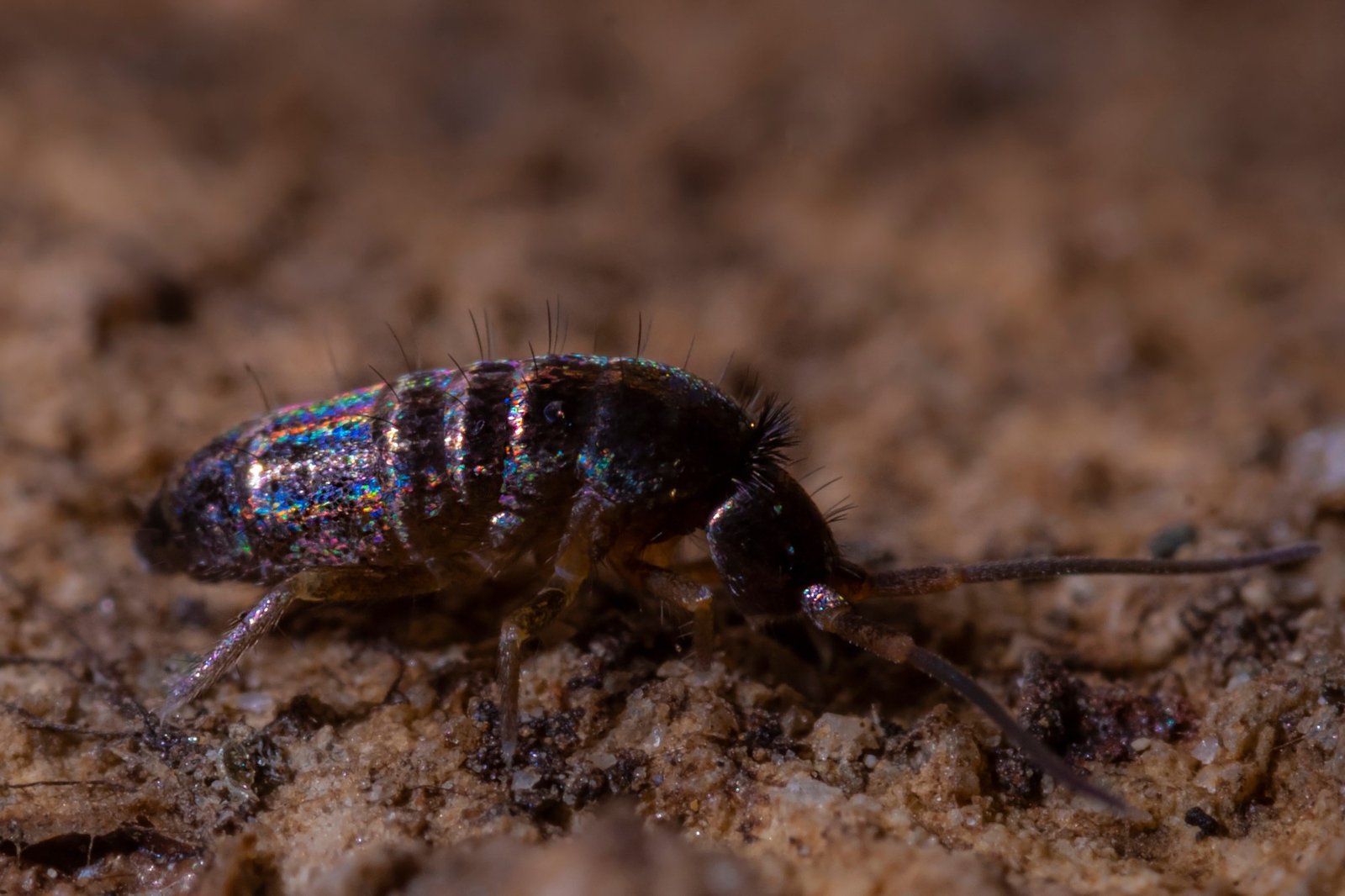
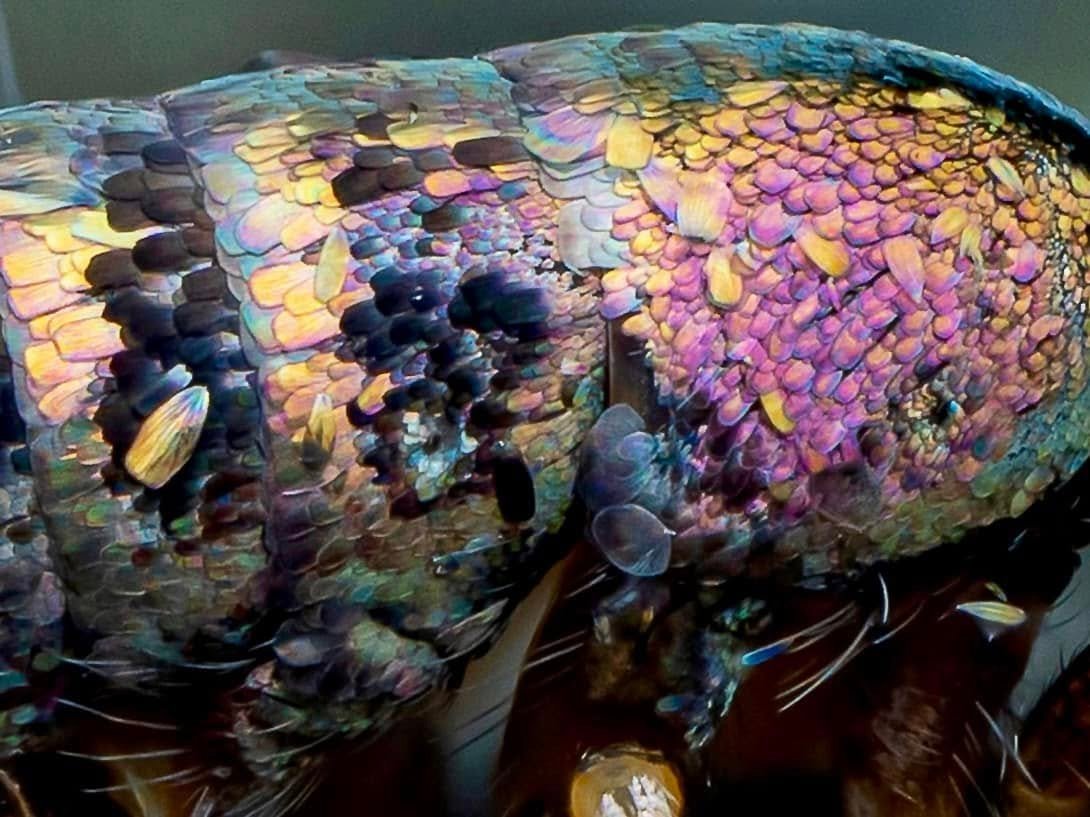
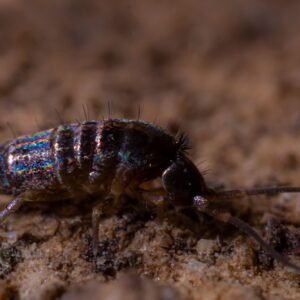
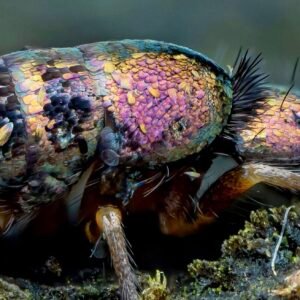
Tomocerus sp. Blue springtail culture. Giant 4-6mm body with deep shifting metallic blue iridescent scaling.
Ultra rare giant collector species for showcase vivariums and advanced keepers.
Raised in-house in New Baden Illinois.
Shipped via USPS FedEx or UPS with live arrival guarantee.
Available in quantities from 50 to 1000 springtails.
Iridescent Blue Springtails Culture — Very Rare Collector Species (Tomocerus sp. “Blue”)
Tomocerus sp. “Blue” — a species so seldom seen in dedicated culture that experienced hobbyists who have kept springtails for years will encounter it for the first time here and immediately understand why it commands a category of its own.
The Blue is the crown jewel of the Tomocerus genus and, arguably, of the entire springtail hobby.
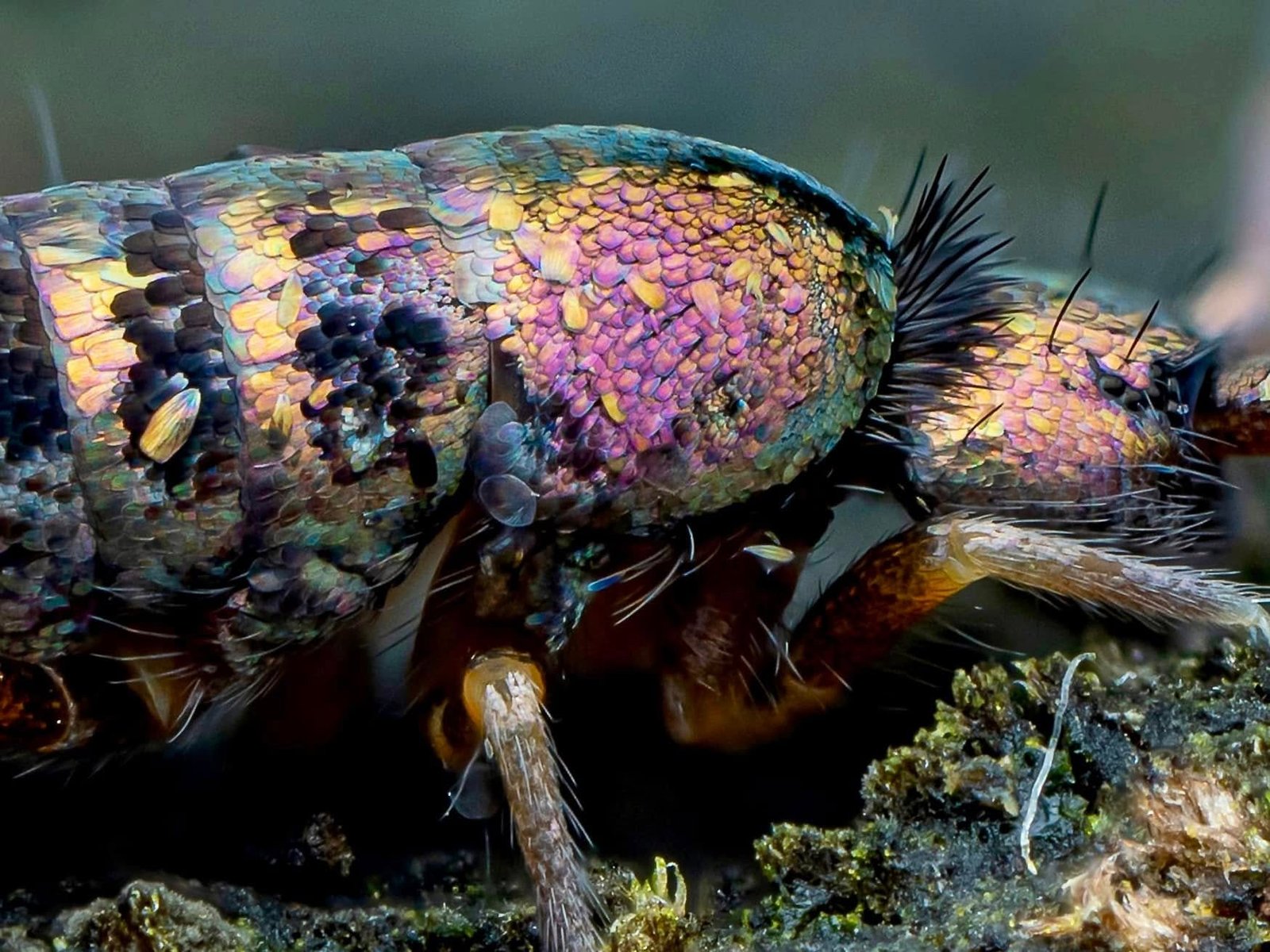
Sharing the giant 4–6mm body form of its celebrated sibling the Iridescent Silver, the Blue variant expresses something the Silver cannot; a deep, shifting, metallic blue sheen produced by dark iridescent scales arranged in transverse bands across the body.
In natural light, individuals shimmer with a colour that photographers struggle to capture and words consistently fail to describe. It has to be seen. And once seen, it cannot be unseen.
What Makes the Iridescent Blue the Ultimate Collector Species
Every product in a serious springtail collection has a role.
The Blue’s role is singular; it is the species that stops a collector mid-scroll, makes them read the full listing, and converts them into a customer before they’ve finished the first paragraph. Here’s why:
- Deep shifting blue metallic sheen — dark iridescent scales produce a transverse banded metallic appearance that shifts and pulses under natural light in a way that no photograph fully captures
- Giant 4–6mm Tomocerus body — the same commanding size as the Iridescent Silver, meaning the blue colouration is visible to the naked eye at a scale that genuinely impresses in a terrarium setting
- Extraordinary rarity in culture — blue springtails are so infrequently maintained as dedicated cultures that even veteran hobbyists treat an encounter with them as a significant event
- The scales are the spectacle — Tomocerus species are characterised by dark and iridescent scales covering the body; in the Blue variant, these scales produce a colour effect unlike anything else in the Collembola hobby
- Impossible to photograph accurately — the iridescent blue shift is notoriously difficult to capture on camera, meaning the real animal always exceeds expectations set by any image
- Active and surface-visible — like all Tomocerus, the Blue is an active surface dweller that moves across substrate, wood, and moss where its colouration can be fully appreciated
The Science Behind the Blue
The Tomocerus genus belongs to the family Tomoceridae; the most scale-bearing springtail family in the hobby.
Unlike colour in most animals, the iridescence of Tomocerus is structural and produced not by pigment but by the physical interaction of light with overlapping dark and metallic scales arranged in transverse bands across the body.
This is the same mechanism that produces the colour in butterfly wings and beetle elytra and it means the colour shifts as the angle of light changes, creating the living, pulsing shimmer that makes the Blue so extraordinary to observe in person.
In the Blue variant, this structural iridescence skews decisively toward the blue end of the spectrum producing a deep, cool metallic sheen that contrasts sharply with the warm silvers and golds of related Tomocerus species and positions this animal in an entirely different visual category.
Role in a Bioactive Enclosure
Tomocerus sp. “Blue” performs the same essential cleanup crew functions as the Iridescent Silver; active surface detritivory at a large, visible body size. They feed on:
- Mold, fungal hyphae, and surface biofilm
- Decaying organic matter, leaf litter, and rotting wood
- Bacteria, algae, and microbial films across the substrate surface
- Tropical fish flakes, brewer’s yeast, and springtail food supplements
Their active surface behaviour means they patrol the most visible zones of your enclosure continuously and providing genuine ecosystem function in a package that doubles as one of the most spectacular display animals in the microfauna hobby.
Like all Tomocerus, they prefer soil substrate with a moisture gradient and plenty of organic woody material for shelter, foraging, and colony establishment.
Who Is This Species For?
The Iridescent Blue is not an entry-level purchase. It is a deliberate, considered acquisition for:
- Elite collectors building the definitive springtail collection who need the rarest Tomocerus variant available
- Showcase vivarium builders who want a single species that commands attention from everyone who views the enclosure
- Macro photographers and content creators drawn to the challenge of capturing an iridescence that defeats most cameras
- Advanced hobbyists already experienced with Tomocerus care who are ready to maintain the most exceptional variant of the genus
- Gift purchases for the serious springtail keeper who already has everything — except this
Care Level: Advanced. The Iridescent Blue shares the care requirements of the Iridescent Silver and rewards keepers with established Tomocerus experience. Stable temperature, appropriate moisture gradient, and quality organic woody substrate are essential for colony success.
Care & Housing Requirements
| Parameter | Recommended Range |
|---|---|
| Temperature | 65–79°F (18–26°C) — optimal reproduction at 65–75°F |
| Humidity | Moderate — soil substrate with moisture gradient |
| Substrate | Soil with organic woody material; moisture gradient essential |
| Diet | Tropical fish flakes, brewer’s yeast, quality springtail food |
| Enclosure | Secure-lidded container with ventilation — Tomocerus are exceptional jumpers |
| Care Level | Advanced |
Important: Tomocerus species are exceptional jumpers and can escape from cultures filled too close to the top.
Leave at least 1.5–2 inches of empty space at the top of any culture container.
Open cultures over a clean dry container to catch any individuals that spring during transfers.
What’s Included
Each culture contains approximately 50 Iridescent Blue springtails (Tomocerus sp. “Blue”), including adults and juveniles, raised in-house at Springtails Culture and shipped with our live arrival guarantee.
Select your preferred quantity at checkout.
All cultures are active, counted by estimation, and packed with the utmost care for safe transit of this exceptionally rare species.
The Ultimate Tomocerus Collection
Own both. Pair the Iridescent Silver (Tomocerus minor/vulgaris) and the Iridescent Blue (Tomocerus sp. “Blue”) in separate display enclosures side by side: two giants of the same genus, expressing the same structural iridescence in completely opposite colour temperatures.
Silver and cool, warm and shifting blue.
Together they represent the full spectacular range of what the Tomocerus genus is capable of, and as a pair they form the centrepiece of any serious springtail collection.
Shipping & Live Arrival Guarantee
All active springtail cultures from Springtails Culture are carefully packed and monitored throughout transit.
For our rarest and most premium species, we take extra care with packaging, temperature monitoring, and transit timing to ensure your Iridescent Blue cultures arrive alive, active, and ready to establish.
Please note: Quantities are estimated counts. Cultures may vary slightly in number. All sales are final — please review our Refund & Returns Policy before purchasing.
| Weight | 0.5 lbs |
|---|---|
| Species | Tomocerus sp. "Blue" |
| Type | Rare & Exotic |
| Colour | Iridescent blue / metallic |
| Difficulty | Advanced |
| Temperature | 20–26°C |
| Humidity | Moderate to high (60–80%) |
| Use | Collector / showcase / cleanup crew |
| Substrate | Soil with organic woody material |
| Live arrival | Guaranteed |
| Care sheet | Included |
| Stock level | Very limited |
| quantity | 100 springtails, 1000 springtails, 150 springtails, 200 springtails, 250 springtails, 50 springtails, 500 springtails |
1 review for Iridescent Blue Springtails | Tomocerus sp. Blue Springtail Culture | Very Rare Giant Collector Species
Add a review
Related products
Tropical Springtails
Tropical Springtails
Rare and Exotic Springtails
Neanura growae – Florida Orange Springtail Culture — Native US Tropical Bioactive Substrate Kit
Temperate Springtails
Sinella curviseta – Pink Curved Springtail Culture — Planted Vivarium Bioactive Substrate Kit
Rare and Exotic Springtails
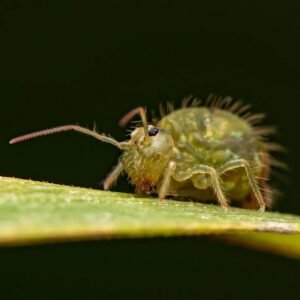
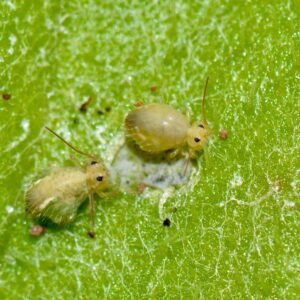
Sminthurus viridis — Lucerne Flea Culture | Globular Springtail for Decaying Matter Terrariums
Rare and Exotic Springtails
Tropical Springtails
Yuukianura aphoruroides – Tropical Orange Springtail Culture — Asian Bioactive Substrate Kit

Rare and Exotic Springtails
Eric –
as a collector id say these blue springtails are absolutely mind blowing and sit perfectly with my isopods. i just feel bad sharp that a couple was dead and but so far the culture is striving. thanks so much